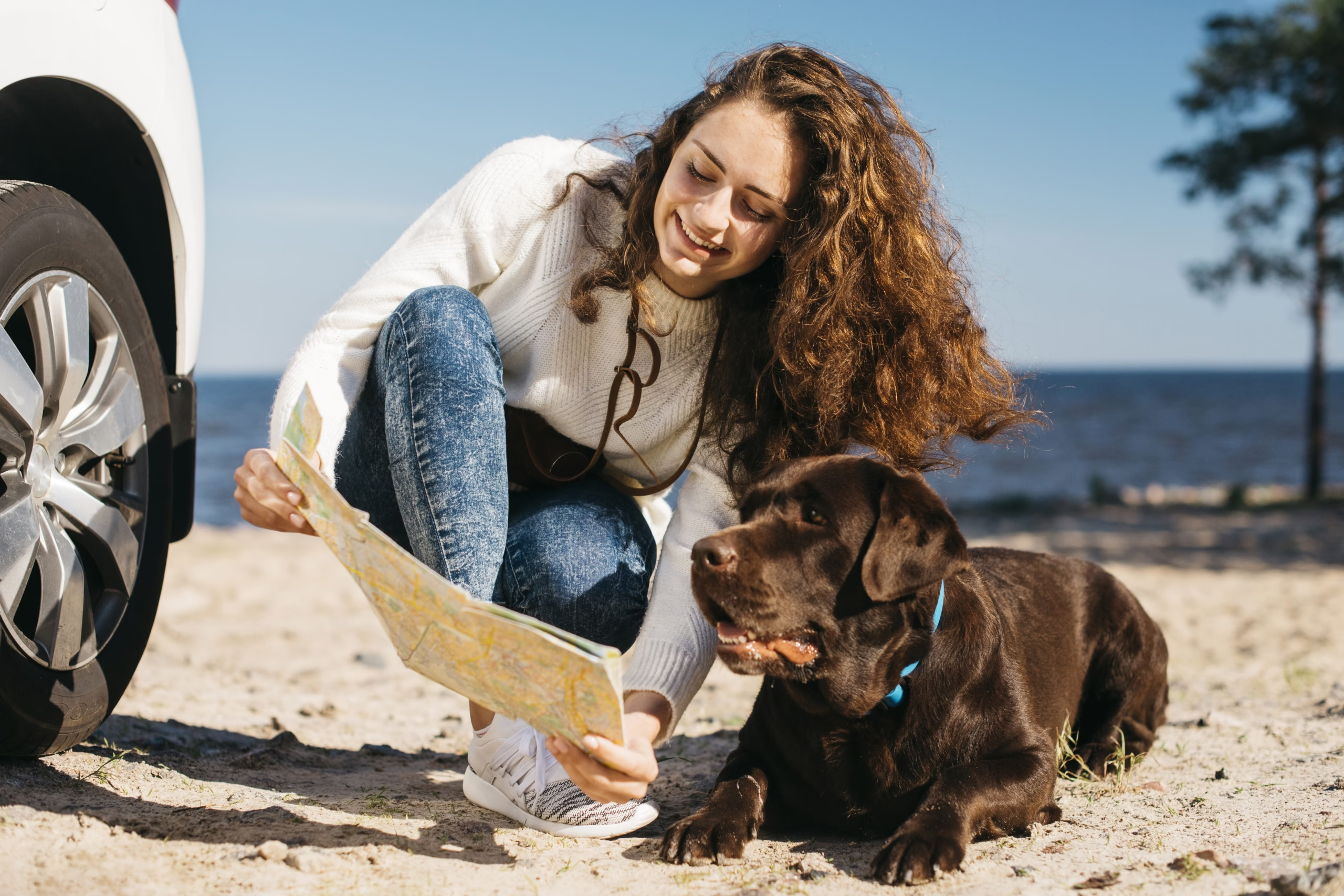
Finding places where you can enjoy time outside with your dog can make everyday outings more interesting. However, not every cafe, park or beach allows dogs, and some locations have specific rules about access, leashes and designated pet areas.
The easiest way to find dog-friendly cafes, parks and beaches near you is to combine local map searches, pet-friendly directories, official location websites and direct confirmation from the venue. Search for dog-friendly places in your area, check their published pet policies, review recent visitor information and contact the location before leaving.
This approach helps you avoid unexpected restrictions and plan outings that are more convenient for both you and your dog.
1. Start With Local Map Searches
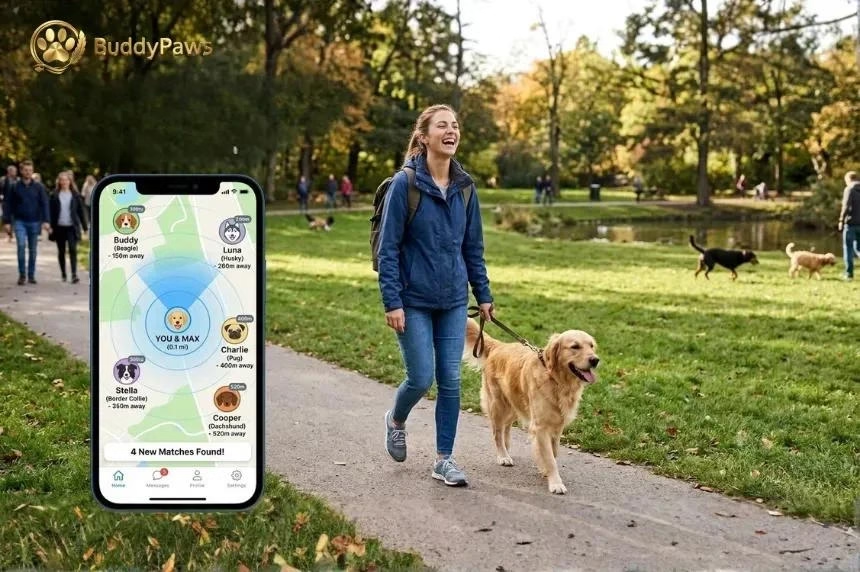
Online map services are a convenient starting point when looking for dog-friendly locations.
Open a map application and search using specific phrases rather than general terms. For example:
- Dog-friendly cafes near me
- Dog-friendly parks nearby
- Beaches that allow dogs
- Outdoor restaurants that welcome dogs
- Pet-friendly places in my area
Using separate searches for cafes, parks and beaches can help you find more relevant results.
Check the Location Details
When a place appears in search results, examine its available information before adding it to your outing plans.
Look for:
- The exact address and entrance location.
- Published opening hours.
- Recent customer reviews.
- Photos showing outdoor seating or open spaces.
- Website or contact information.
- Visitor comments mentioning dogs.
Remember that a location appearing in a map search does not automatically mean dogs are permitted. Always verify its current rules.
2. Use Pet-Friendly Directories and Local Websites
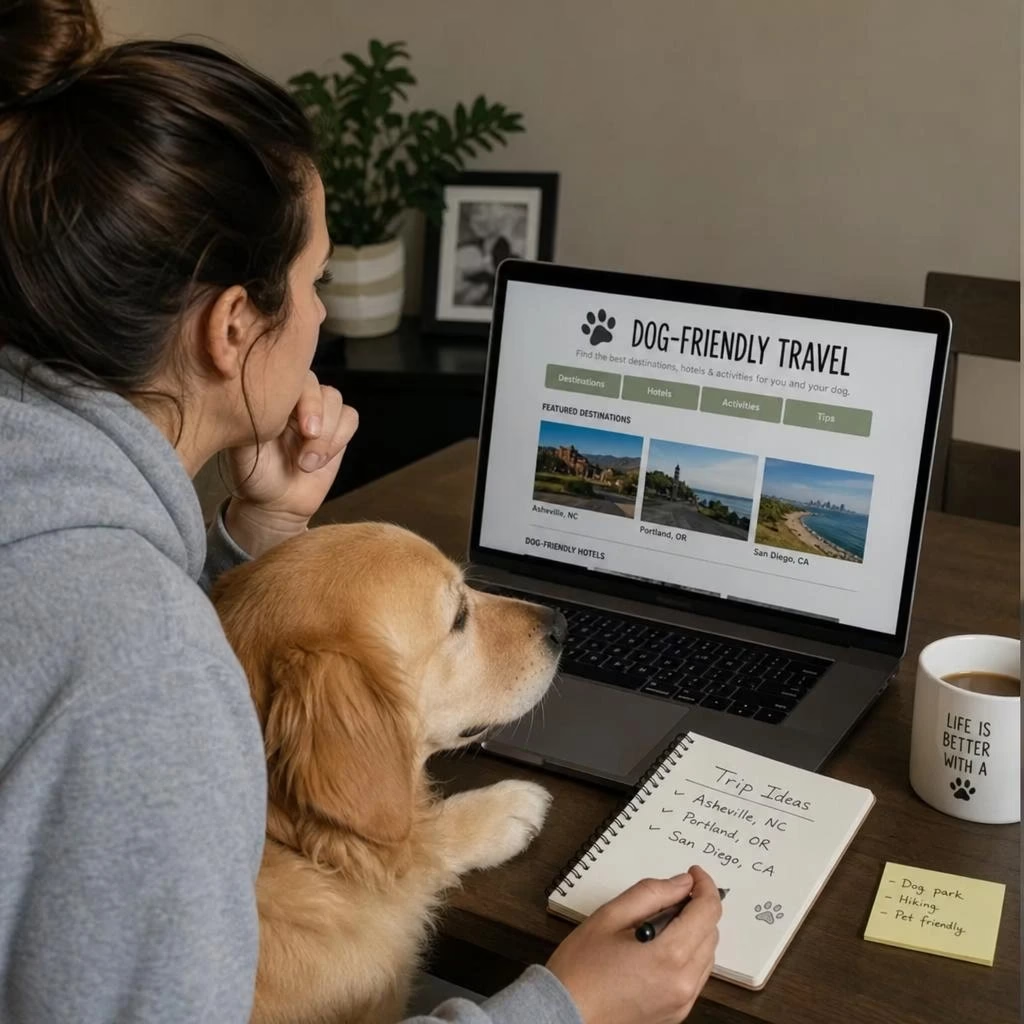
Some websites and local directories collect information about businesses and public spaces that welcome pets.
These resources can make your search easier because they may organize locations by category, area or available facilities.
Where to Look
Consider checking:
- Pet-friendly travel directories.
- Local tourism websites.
- City recreation and parks websites.
- Community pet-owner groups.
- Local business directories.
- Regional beach and outdoor recreation guides.
For example, a city tourism website may provide information about public parks, walking routes and visitor facilities. A local pet community may share experiences about cafes that offer outdoor seating for dogs.
However, directory information can become outdated. Treat it as a starting point rather than final confirmation.
3. How to Find Dog-Friendly Cafes

Dog-friendly cafes can be enjoyable places to take a break during an outing. However, some businesses allow dogs only in outdoor seating areas, while others may have different rules for indoor spaces.
Check the Cafe’s Pet Policy
Before visiting, look for information about:
- Whether dogs are allowed indoors or outdoors.
- Whether dogs must remain on a leash.
- Whether a designated seating area is available.
- Whether water bowls are provided.
- Whether there are restrictions on dog size or the number of dogs.
Do not assume that outdoor seating automatically means dogs are welcome.
Check Recent Reviews and Photos
Customer reviews can sometimes provide useful details about the actual experience.
Look for recent comments mentioning dogs, outdoor seating or pet-related facilities.
Photos can also help you understand whether the cafe has enough space for your dog to rest comfortably without blocking walkways.
Contact the Cafe Before Visiting
If the pet policy is unclear, contact the cafe directly.
A short message or phone call can help confirm whether dogs are currently permitted and whether any conditions apply.
4. How to Find Dog-Friendly Parks
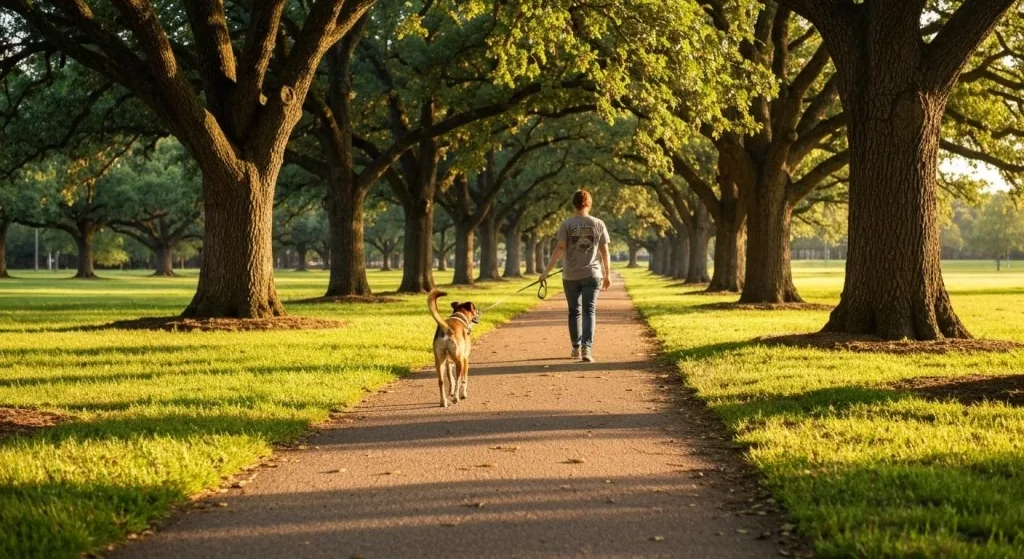
Parks provide opportunities for walking, exploring and spending time outdoors with your dog. However, access rules vary between public parks and recreation areas.
Some parks welcome leashed dogs throughout the grounds, while others have designated dog areas or restrictions on certain paths.
Look for Local Park Information
Search your city or local council website for park regulations and visitor information.
Check whether the park provides:
- Designated dog-walking areas.
- Off-leash sections.
- Walking paths.
- Waste disposal facilities.
- Water access.
- Parking or nearby public transport.
Understand Leash Requirements
Not all parks have the same leash policies.
Some require dogs to remain on a leash throughout the park, while designated areas may permit off-leash activities under specific conditions.
Read the posted rules and follow local requirements when visiting.
Consider the Park Layout
A park’s layout can affect how convenient an outing will be.
Check maps and photographs to understand the walking paths, entrances, shaded areas and nearby facilities.
If you are visiting with a dog for the first time, a clearly marked walking route can make the outing easier to organize.
5. How to Find Dog-Friendly Beaches
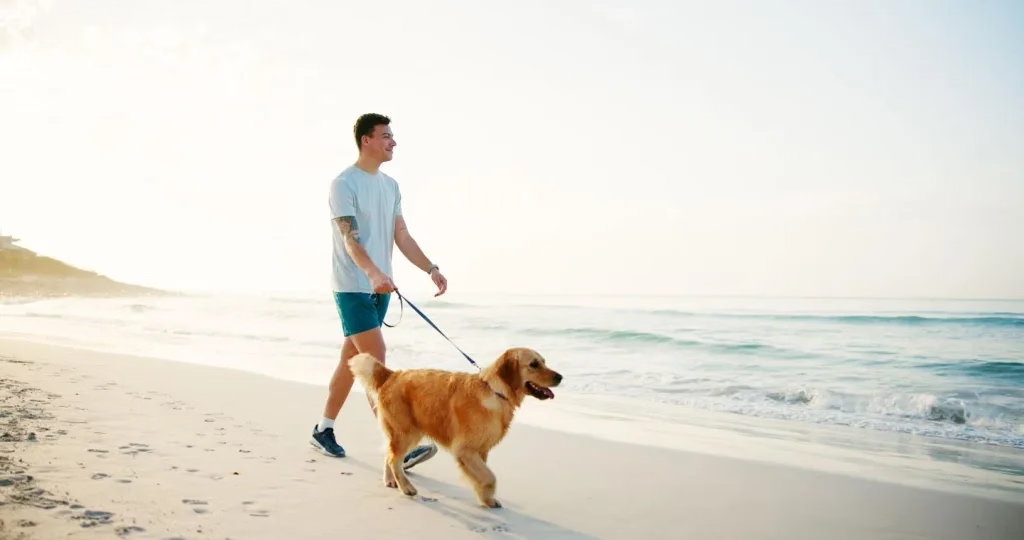
Beaches can offer a different outdoor experience, but dog access is often controlled by local regulations.
Some beaches allow dogs throughout the year, while others permit them only during particular seasons or specific hours. Certain locations also have separate areas for dogs.
Check Beach Access Rules
Before planning a beach visit, check the official beach or local council website.
Pay attention to:
- Whether dogs are permitted on the beach.
- Seasonal restrictions.
- Permitted visiting hours.
- Leash requirements.
- Designated dog-access sections.
- Restrictions around swimming areas or protected wildlife zones.
These details are particularly important during busy holiday periods when beach regulations may change.
Look for Dog-Friendly Facilities
A beach visit can be easier to organize when the location provides useful facilities.
Check for:
- Nearby parking.
- Walking paths and accessible entrances.
- Freshwater availability.
- Shaded resting areas.
- Waste disposal facilities.
- Nearby dog-friendly cafes or outdoor spaces.
Do not assume that every beach with public access allows dogs.
6. Use Social Media to Discover Local Dog-Friendly Places

Social media can help you discover smaller cafes, local walking areas and outdoor locations that may not appear prominently in general search results.
Try searching for location-specific hashtags and community posts.
For example:
- Dog-friendly cafes in [your city].
- Dog-friendly parks in [your area].
- Pet-friendly places in [your location].
- Local dog owners community.
You can also explore local dog-owner groups and community pages.
What Information Should You Look For?
When reviewing social media posts, pay attention to:
- The date of the post.
- The exact location.
- Whether the dog was actually permitted.
- Comments about current access rules.
- Photos showing the venue or public space.
Older posts may describe rules that have since changed, so confirm important details directly with the location.
7. Create a Shortlist Before Planning Your Outing
Once you have found a few potential locations, organize them into a simple shortlist.
This makes it easier to compare practical details without relying on memory.
| Information | What to record |
| Location name | Cafe, park or beach name |
| Address | Exact location |
| Dog access | Indoor, outdoor or designated areas |
| Rules | Leash, hours and seasonal restrictions |
| Facilities | Water, shade and waste bins |
| Contact details | Phone number or website |
| Opening hours | Current published schedule |
You can save these details in your phone’s notes or a simple spreadsheet.
It is also useful to keep a few alternative locations in case your first choice is unexpectedly closed or unavailable.
8. Prepare for Your Visit With Your Dog
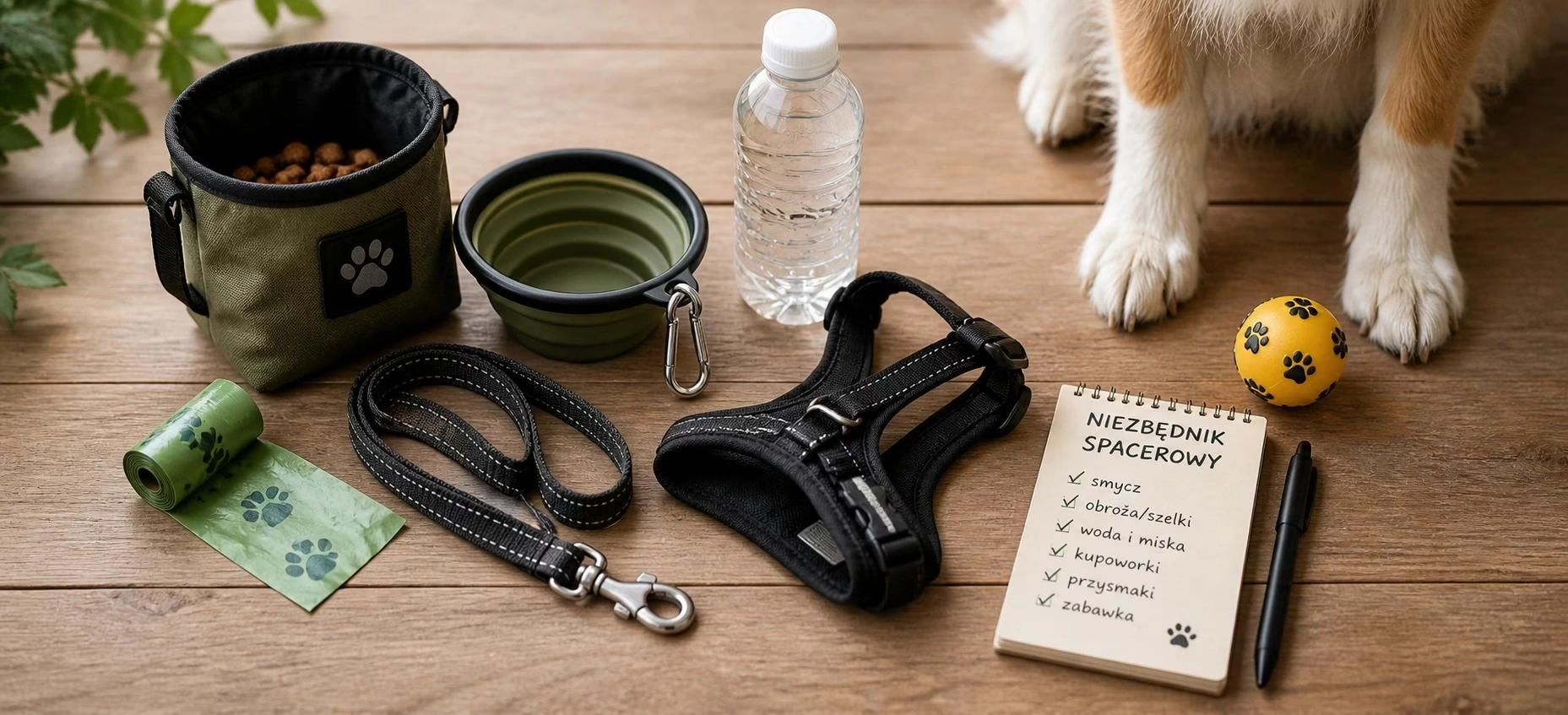
Finding a dog-friendly location is only one part of planning an enjoyable outing. Preparing a few everyday essentials can make the visit more convenient.
Consider bringing:
- A suitable leash and collar or harness.
- Fresh drinking water.
- A portable water bowl.
- Waste bags.
- A small towel for cleaning muddy paws.
- Familiar treats, if appropriate.
- Your dog’s identification information.
Check the weather and expected conditions before leaving.
For beach visits, pay attention to sand temperature, access to shade and local water conditions. For park visits, consider the walking distance and availability of resting areas.
Always supervise your dog and respect other visitors, animals and the location’s rules.
9. Confirm Important Details Before Leaving
Even after researching a location, it is worth checking its latest information on the day of your visit.
Opening hours may change, public areas may close temporarily, and businesses may update their pet policies.
Before leaving:
- Check the location’s latest opening hours.
- Confirm that dogs are still permitted.
- Review any seasonal or temporary restrictions.
- Check weather conditions.
- Confirm the address and parking arrangements.
- Keep an alternative location in mind.
A quick final check can prevent unnecessary travel and help you avoid unexpected access problems.
Frequently Asked Questions (FAQs)
1. How can I find dog-friendly places near me?
Use map applications and search for dog-friendly cafes, parks and beaches near your location. You can also explore local tourism websites, pet-friendly directories and community groups. Always confirm the current pet policy before visiting.
2. How do I know if a cafe allows dogs?
Check the cafe’s official website, social media pages or published pet policy. If the information is unclear, contact the cafe directly and ask whether dogs are permitted indoors, outdoors or in designated seating areas.
3. Are dogs allowed in all public parks?
No. Park regulations vary by location. Some parks allow leashed dogs throughout their grounds, while others have designated dog areas or restrictions. Check local council regulations before visiting.
4. Do dog-friendly beaches have specific visiting hours?
Some beaches have seasonal or time-based restrictions for dogs. These rules may change during busy holiday periods. Check the official beach or local authority website for the latest information.
5. What should I bring when visiting a cafe or park with my dog?
Useful everyday essentials include a leash, fresh drinking water, a portable bowl, waste bags and a small towel. You may also bring familiar treats and your dog’s identification information.
6. Can I take my dog to a cafe with outdoor seating?
Not necessarily. Outdoor seating does not automatically mean dogs are permitted. Ask the cafe about its pet policy before visiting.
7. How can I find dog-friendly beaches when travelling to another city?
Search using the destination name alongside phrases such as dog-friendly beaches, beaches that allow dogs or pet-friendly coastal areas. Check local tourism websites and official beach regulations for access conditions.
8. What should I do if a dog-friendly location is unexpectedly closed?
Keep an alternative location in your shortlist. Before travelling to another place, check its current opening hours, dog-access rules and any temporary restrictions.
9. Are dog-friendly parks suitable for every dog?
Not necessarily. Some dogs may be more comfortable in quieter parks, while others enjoy busier outdoor spaces. Consider your dog’s familiarity with the environment, available space and the park’s rules when planning a visit.
10. How can I check whether information about a dog-friendly location is up to date?
Check the location’s official website, recent social media updates or contact the venue directly. Recent visitor reviews can provide additional context, but official information should take priority for access rules and restrictions.