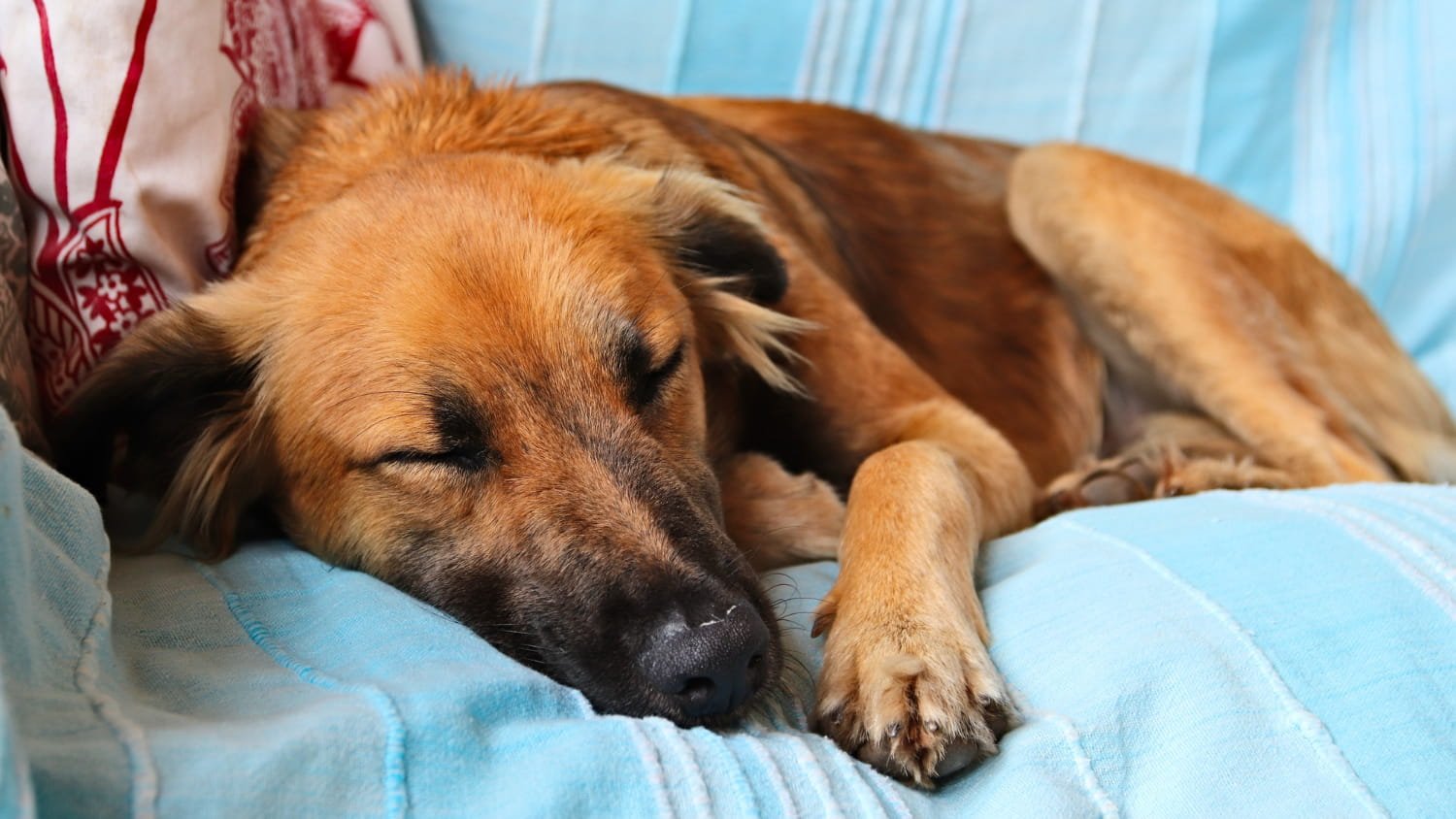
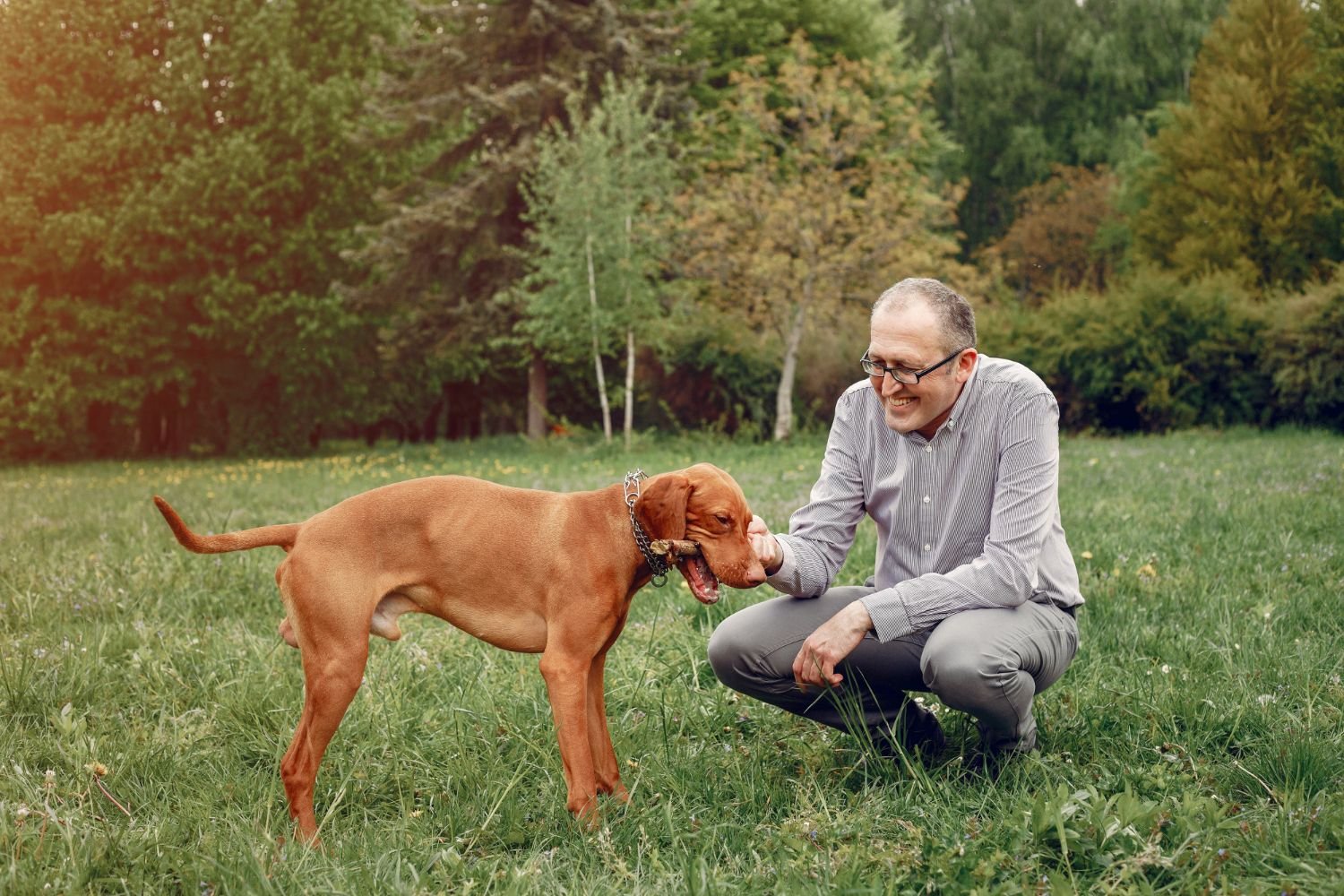
Your dog used to leap onto the bed without a second thought. Now they hesitate. They still greet you at the door, but their tail wags a little slower. They seem stiff after a long nap. You think, “They’re just getting older.”
It is easy to chalk these changes up to normal aging. But here is what many owners don’t realize: osteoarthritis (OA) is not a normal part of aging. It is a chronic, progressive disease that affects at least 20% of dogs over one year old — and that number climbs to about 80% in dogs over eight years old. Yet only 1 in 8 dog owners is considered to have moderate or good knowledge about OA.
An AAHA/ARAH survey found that OA diagnosis and treatment were being started at an average age of 5.8 years. AAHA experts have emphasized that earlier recognition and intervention may provide opportunities to manage pain and mobility before problems become more advanced.
At Best Pet Mate, we believe in catching problems early. This guide will help you spot the subtle early signs of dog arthritis, understand which breeds are most at risk, and take practical steps to manage pain and keep your dog comfortable.
What Is Arthritis in Dogs?
Canine arthritis — specifically osteoarthritis (OA) — is the progressive breakdown of cartilage within a joint. Cartilage acts as a cushion between bones, allowing smooth, pain-free movement. As the joint undergoes structural changes, including cartilage damage, bone remodeling, and inflammation, movement can become painful and stiff.
OA can develop for many reasons, including developmental joint problems such as hip or elbow dysplasia, previous joint injuries such as cranial cruciate ligament disease, trauma, abnormal joint conformation, excess body weight, and age-related changes.
It is a chronic, progressive disease. Once cartilage is damaged, it does not grow back. Although there is no cure, appropriate management can reduce pain, support mobility, and help maintain your dog’s quality of life over time.
The Early Signs: What to Watch For
Dogs may show subtle signs of chronic pain, and these changes can be easy for owners to overlook.
Changes in Movement
- Stiffness after rest — Difficulty getting up from lying down, especially in the morning or after a long nap.
- Reluctance to jump or climb — Hesitating to get into the car, use stairs, or jump onto furniture they used to manage easily.
- Slowing down on walks — Falling behind, shorter walks, or lagging on outings they once enjoyed.
- Limping or favoring one leg — Often worse after exercise and then easing with gentle movement, only to worsen again after rest.
- Difficulty sitting or lying down — Shifting weight awkwardly, or seeming uncomfortable when settling.
Changes in Behavior
- Irritability or aggression — Snapping when touched in certain areas, especially around joints.
- Less interest in play — No longer wanting to chase, run, or engage in activities they once loved.
- Restlessness at night — Difficulty getting comfortable, pacing, or waking frequently.
- Excessive licking — Focusing on specific joints, sometimes to the point of hair loss or skin irritation.
Physical Changes
- Muscle loss — Especially in the hind legs; one leg may look thinner than the other.
- Joint swelling — Warm or swollen joints.
- Weight gain — From reduced activity.
Pro Tip: Dogs with OA often place their limbs in unusual positions, such as flexing forelimbs or crossing back legs. They may also shift weight from side to side or front to back to avoid putting pressure on painful joints .
Breeds at Higher Risk
While any dog can develop arthritis, certain breeds are more predisposed due to their size, body structure, or genetic tendencies.
Large and giant breeds:
- Labrador Retrievers — One of the most commonly affected breeds, due to size and predisposition to hip and elbow dysplasia. In one long-term study, dogs maintained at a lean body condition had significantly lower rates of OA and lived longer than overweight dogs.
- German Shepherds — Prone to hip dysplasia, which often leads to arthritis.
- Golden Retrievers — High rates of joint problems, especially in the hips and elbows.
- Rottweilers — Large, heavy breed with significant joint stress.
Smaller breeds with unique body shapes:
- Dachshunds — Their body structure and genetic characteristics put them at increased risk for spinal and intervertebral disc problems, which can contribute to mobility and pain issues.
- Bulldogs — Abnormal joint conformation increases risk.
How Is Arthritis Diagnosed?
If your dog shows persistent stiffness, limping, difficulty getting up, or changes in activity, your veterinarian can assess their gait, joints, range of motion, and signs of pain. Depending on the findings, diagnostic imaging such as X-rays may be recommended to evaluate the joints and identify underlying problems.
Because similar signs can occur with other orthopedic or neurological conditions, it is important not to assume that every change in mobility is arthritis.
Managing Arthritis: A Multimodal Approach
There is no cure for arthritis, but a combination of treatments can help reduce pain, maintain mobility, and support your dog’s quality of life over time. According to AAHA guidelines, a standardized approach to OA management helps ensure consistent, effective care.
1. Weight Management
Even modest weight loss can improve mobility and clinical signs in overweight dogs with osteoarthritis. Weight management should be tailored to the dog’s body condition and overall health with guidance from a veterinarian.
For overweight dogs, a veterinarian-guided calorie-controlled diet is a key part of achieving healthy weight loss. Long-term research has also found that maintaining a lean body condition can reduce the risk of osteoarthritis and is associated with longer lifespan in dogs. Keeping your dog at a healthy body condition is therefore an important part of long-term joint health. Studies have found that modest weight loss can improve clinical signs in overweight dogs with hip or elbow OA, with benefits reported at different levels of weight reduction.
2. Pain Medication
NSAIDs are commonly used to manage canine OA pain because several veterinary NSAIDs have established evidence and approved indications for managing pain and inflammation. Your veterinarian can determine which medication, if any, is appropriate for your dog. They reduce joint inflammation and pain and are generally well-tolerated with monitoring.
Other pain-management options may sometimes be considered depending on the individual dog and type of pain. Some adjunctive medications may have limited or condition-specific evidence, so your veterinarian should determine whether they are appropriate.
Never give your dog human pain medication or combine pain medications without veterinary guidance, as some medications can be harmful to dogs and drug combinations can increase the risk of adverse effects.
3. Joint Supplements
Joint supplements are commonly used as part of canine joint-care plans, but the evidence varies considerably between ingredients and products. Omega-3 fatty acids have stronger evidence than many other nutraceuticals, while supplements such as glucosamine and chondroitin have more limited or mixed evidence. Ask your veterinarian whether a supplement is appropriate for your dog.
4. Gentle Exercise and Rehabilitation
Regular, controlled, low-impact exercise can help maintain muscle strength, mobility, and joint function. Shorter, more frequent walks may be easier for some dogs than one long walk, but the appropriate duration and intensity should be adjusted to your dog’s condition and response.
Recommended activities:
- Short, gentle walks on soft surfaces
- Swimming or hydrotherapy — buoyancy reduces stress on joints while resistance helps strengthen muscles
- Physical rehabilitation and range-of-motion exercises
5. Home Modifications
Simple changes around the house can make a big difference:
- Carpet and rugs for better traction on slippery floors
- Ramps for cars, couches, and stairs
- Orthopedic or supportive bedding in a comfortable, easy-to-access location
- Raised feeding bowls — if recommended for your dog’s individual needs.
- Fitted, padded harnesses to help with lifting larger pets
6. Additional Therapies
Depending on the individual dog, veterinarian-directed adjunctive options may include:
- Acupuncture, laser therapy, and cryotherapy
- Physical therapy and rehabilitation exercises
- Regenerative medicine options like platelet-rich plasma (PRP) and stem cell therapy
American Animal Hospital Association (AAHA) – Opinion: We are failing dogs with osteoarthritis – According to a 2023 survey conducted by AAHA and American Regent Animal Health, 95% of veterinarians agreed that a structured OA protocol would be beneficial. AAHA guidance emphasizes early recognition, proactive intervention, and multimodal management of osteoarthritis. As veterinary expert Dr. Denis Marcellin-Little notes, OA isn’t just a problem for senior dogs — it’s something we should be addressing early, ideally before signs of stiffness or lameness even emerge.
When to See Your Vet
Schedule a checkup if you notice:
- Stiffness after rest
- Trouble with stairs or jumping
- Visible slowing down
- Mood or behavior changes
According to AAHA, senior dogs — generally those older than 7 years — should be examined by a veterinarian every six months, even when they appear healthy.
Frequently Asked Questions
How common is arthritis in dogs?
At least 20% of dogs over one year old are affected, and the rate climbs to about 60-80% in dogs over eight years old.
What are the first signs of arthritis in dogs?
Early signs are subtle: stiffness after rest, reluctance to jump or climb stairs, slowing down on walks, and irritability when touched. Dogs may not cry out or show obvious signs of arthritis pain; instead, they may gradually change their movement, activity, or daily routines.
At what age do dogs develop arthritis?
It can develop as early as 1 year of age in dogs with joint issues like hip dysplasia. However, most dogs are diagnosed around 5.8 years — later than ideal for early intervention.
Can arthritis be cured in dogs?
No. Arthritis is a chronic, progressive disease. Once cartilage is damaged, it does not grow back. However, appropriate management can help reduce pain, maintain mobility, and support your dog’s quality of life over time.
What is the best treatment for dog arthritis?
Treatment is multimodal — combining weight management, pain medication, joint supplements, gentle exercise, home modifications, and sometimes additional therapies like acupuncture or rehabilitation. Your vet will tailor a plan to your dog’s specific needs.