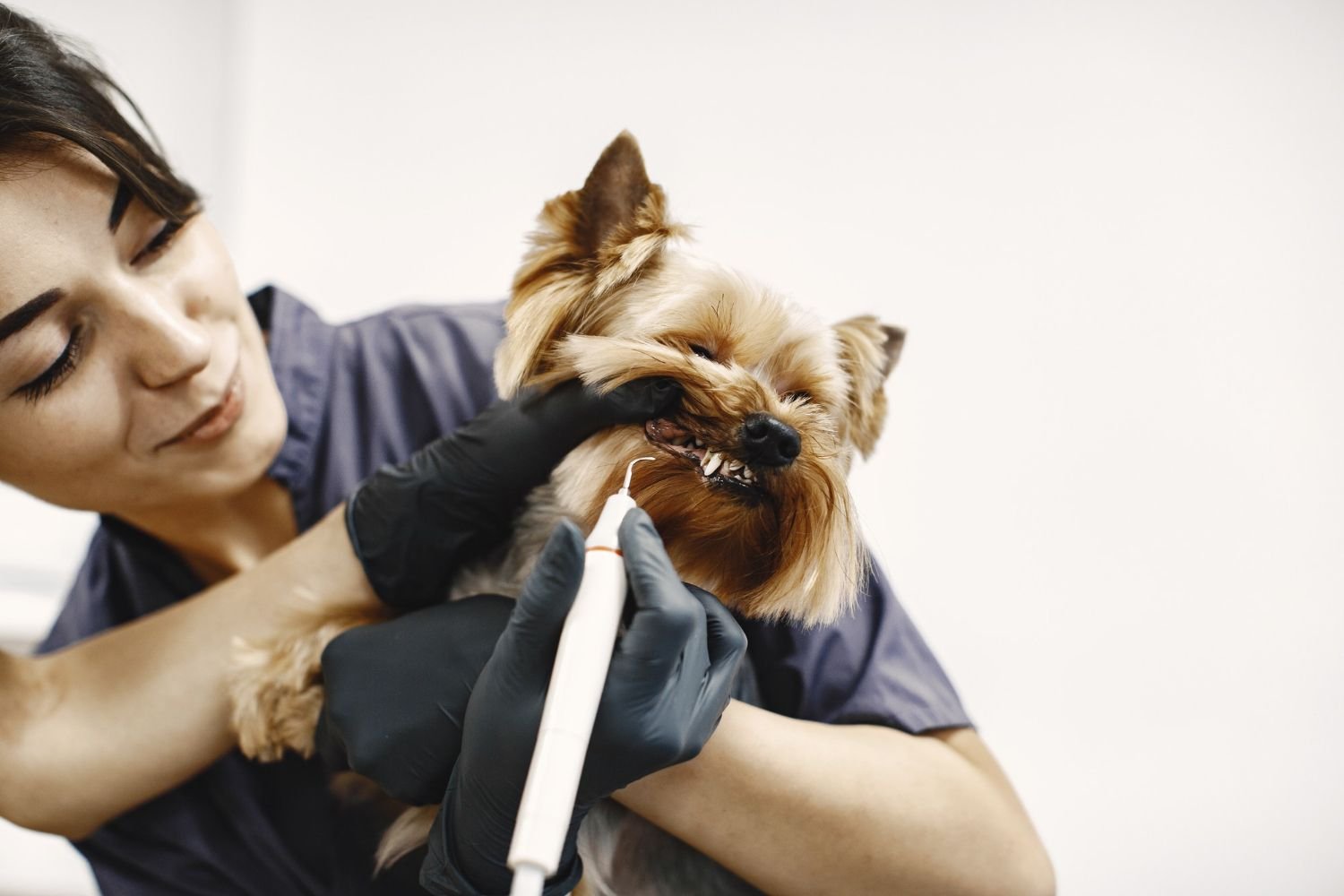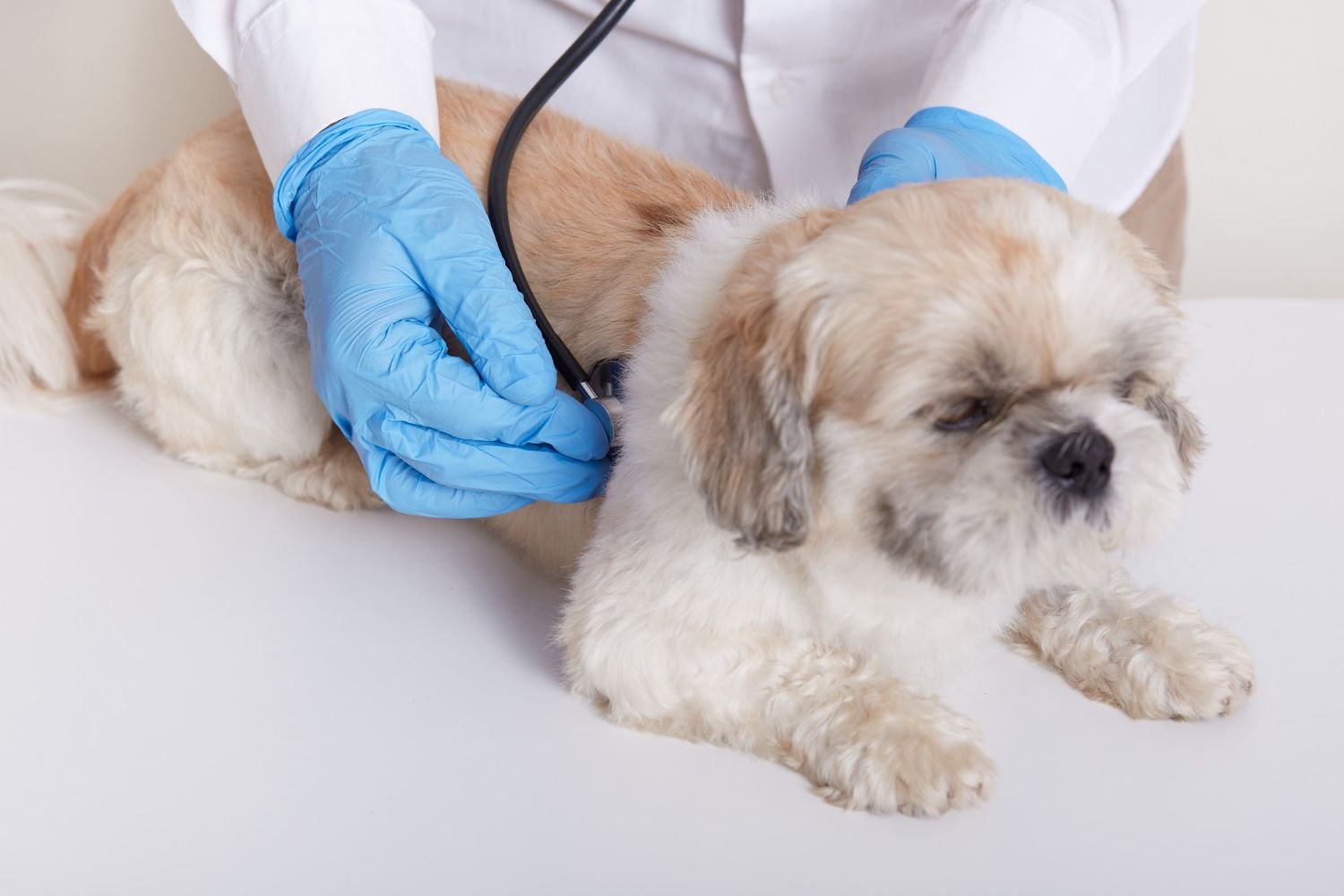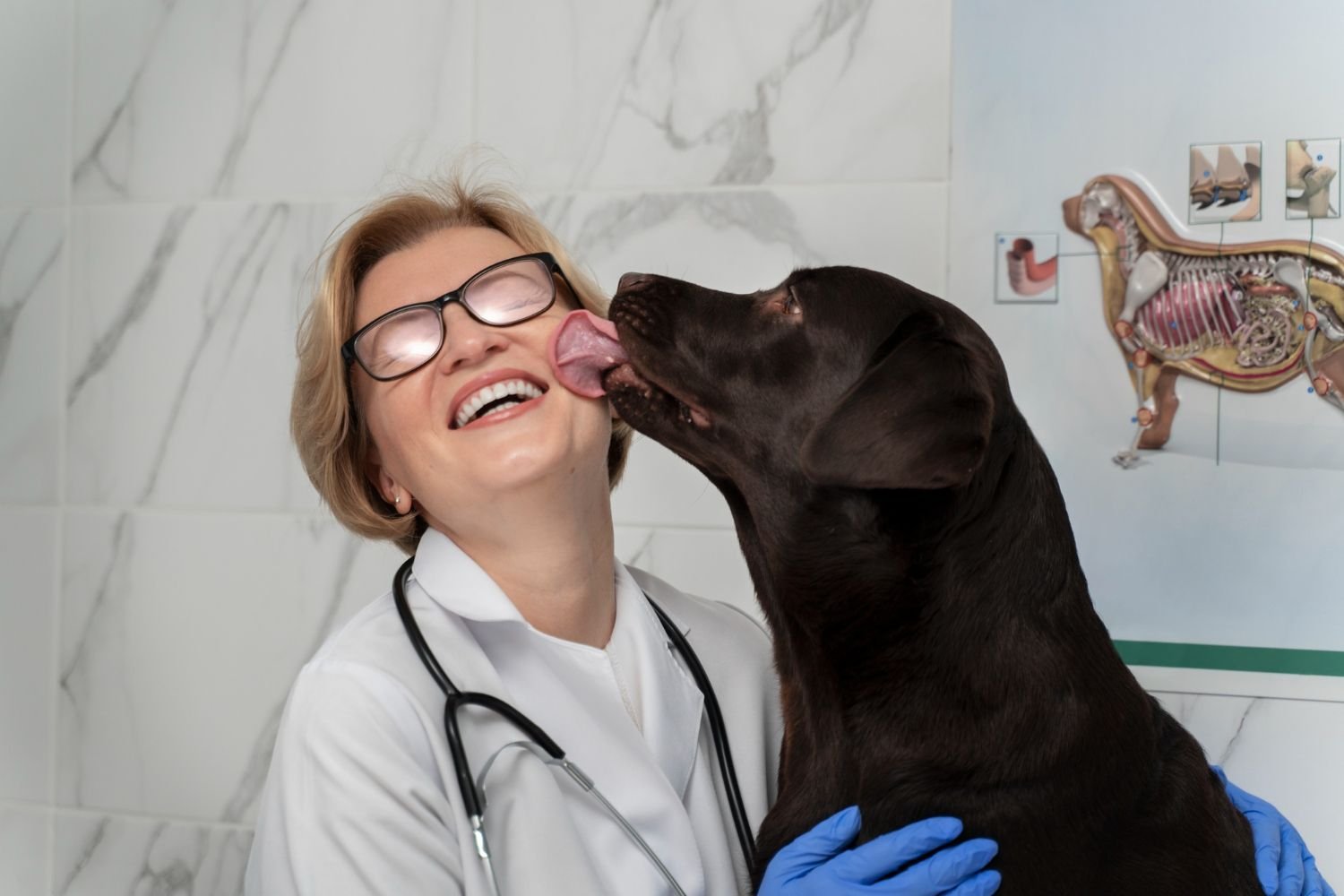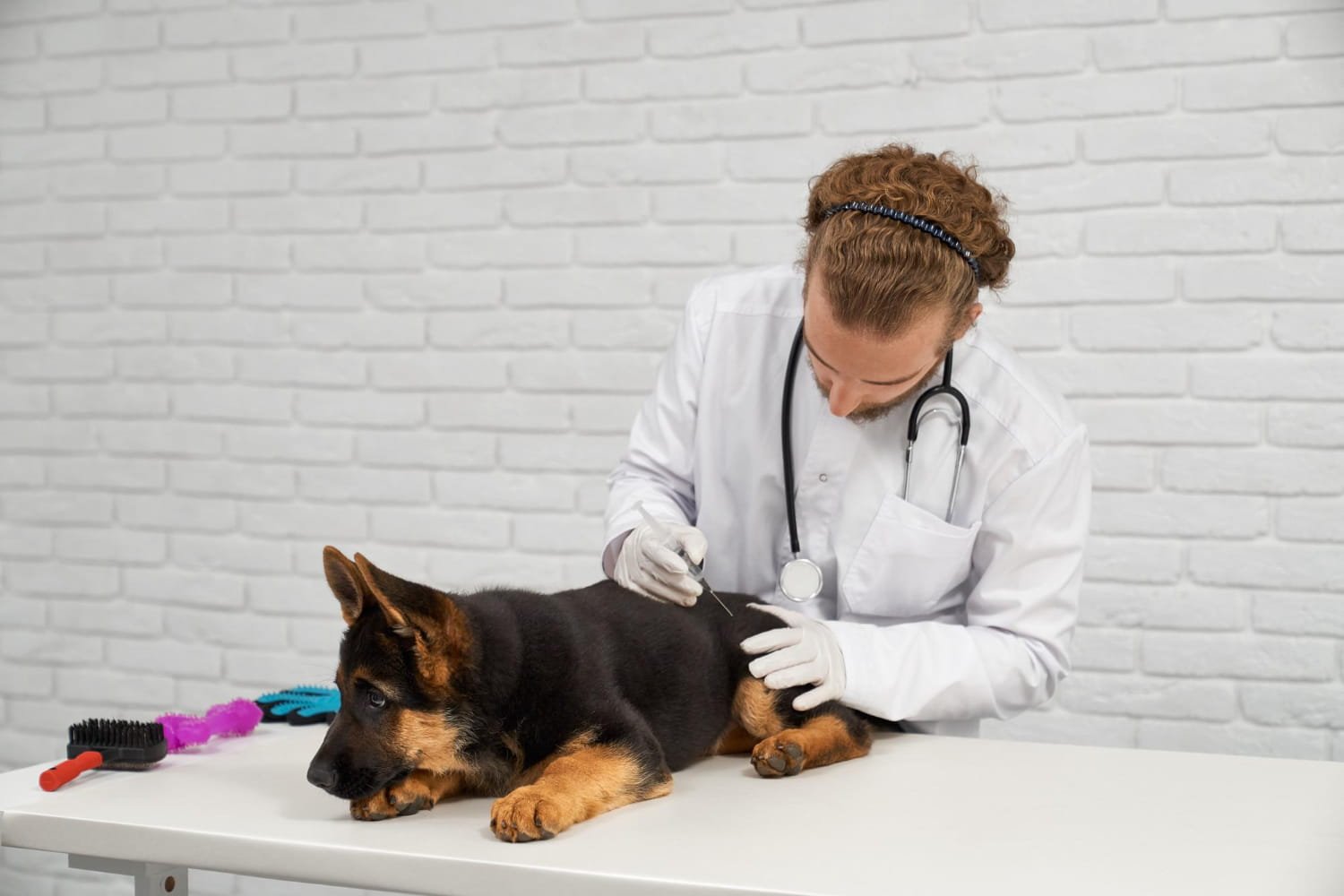
Most pet parents notice the smell before anything else — that unmistakable “dog breath” or “cat breath” that seems to just come with the territory. Except it usually doesn’t. A consistent pet dental hygiene routine is one of the most overlooked parts of preventive care, and skipping it can lead to something far more serious than bad breath. Periodontal disease is one of the most common health problems in dogs and cats, and regular professional dental care combined with consistent home care can significantly reduce the risk and severity of dental disease.
At Best Pet Mate, dental care tends to be the thing people mean to start “next month” — until a vet visit reveals tartar buildup, inflamed gums, or worse. Let’s build a real pet dental hygiene routine before it becomes a bigger, more expensive problem than it needs to be.
Why Periodontal Disease Deserves More Attention
Periodontal disease starts small — a thin film of plaque building up along the gumline — but it doesn’t stay small if it’s ignored. Left untreated, plaque hardens into tartar, which irritates and infects the gums, eventually damaging the tissue and bone that hold teeth in place. By the time it’s visibly obvious, real damage has often already been done.
This isn’t just a mouth problem either. Advanced dental disease can contribute to inflammation and bacterial spread beyond the mouth, which is one reason veterinarians consider oral health an important part of overall preventive care. A solid pet dental hygiene routine isn’t cosmetic maintenance — it’s connected to your pet’s overall long-term health in ways that are easy to underestimate.
Recognizing the Early Signs
Catching periodontal disease early makes treatment simpler and far less invasive. Watch for these warning signs:
- Persistent bad breath that doesn’t improve with occasional brushing
- Red, swollen, or bleeding gums, especially along the gumline
- Yellow or brown tartar buildup on the teeth
- Reluctance to eat hard food, or chewing only on one side of the mouth
- Pawing at the mouth, drooling more than usual, or visible discomfort
If you notice several of these signs together, a vet visit is worth scheduling soon rather than waiting for the next annual checkup, and it’s a good moment to reassess your pet’s dental hygiene routine overall.
Building a Realistic Pet Dental Hygiene Routine
Start with Brushing, Even If It’s Imperfect
Daily brushing provides the best plaque control. If daily brushing isn’t realistic, talk with your veterinarian about a practical dental-care routine and additional products that may help support your pet’s oral health. Use a pet-specific toothbrush and pet-specific toothpaste only. Human toothpaste is not formulated for pets and may contain ingredients, such as xylitol, that can be harmful or toxic to animals.
Introduce brushing gradually rather than diving in on day one. Let your pet get used to the taste of pet toothpaste on your finger first, then work up to a few seconds of brushing at a time before building toward a full routine over a couple of weeks.
Add Dental Chews and Approved Treats
Dental chews designed to reduce plaque can be a genuinely useful addition, though they work best as a supplement to brushing rather than a replacement for it. Look for products with the Veterinary Oral Health Council (VOHC) seal, since this indicates they’ve been tested for actual effectiveness rather than just marketed as dental-friendly.
Consider Water Additives and Dental Diets
Water additives formulated to help control plaque and tartar buildup can help, particularly for pets who resist brushing entirely. Prescription or veterinary-prescribed dental diets, which are available through your vet, use kibble texture and shape specifically designed to scrape plaque off teeth during normal chewing.
Schedule Professional Cleanings
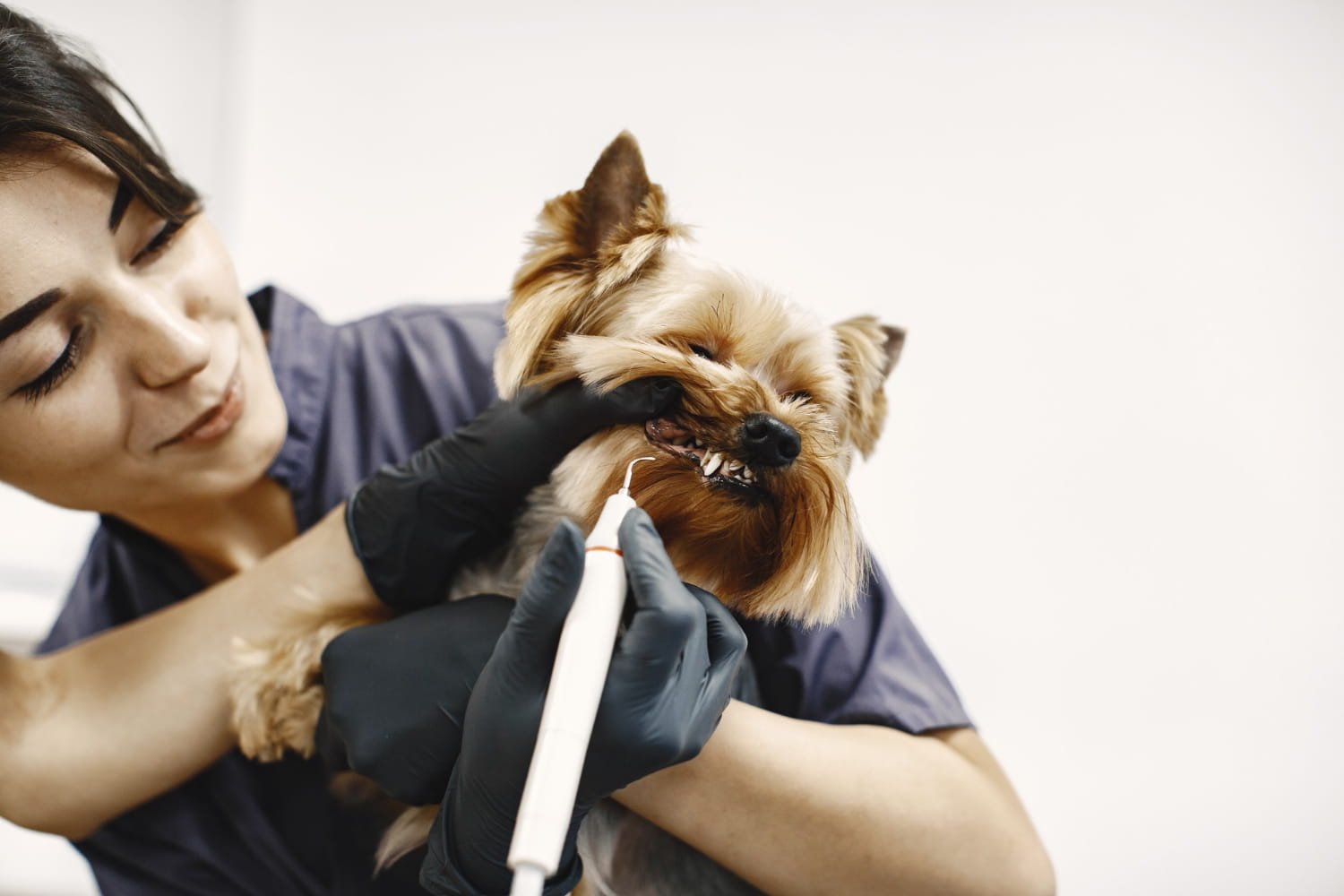
Even the best at-home pet dental hygiene routine can’t completely replace a professional dental cleaning. Vets can access areas below the gumline that no amount of home brushing reaches, and they can spot early problems before they become painful or expensive. Many pets need professional dental cleaning every one to two years, while some small dogs, cats, and higher-risk pets may need more frequent care. Your veterinarian can recommend a schedule based on your pet’s oral health, age, and individual risk factors.
What to Avoid During At-Home Dental Care
Not every popular dental product or habit is actually safe. A few things worth avoiding:
- Hard bones, antlers, or ice cubes as chew toys — these can crack teeth, leading to painful fractures that require extraction
- Human toothpaste of any kind — avoid it because some formulations contain ingredients such as xylitol that can be harmful or toxic to pets.
- Non-anesthetic dental cleanings marketed as a shortcut — these typically only address the visible surface of teeth and overlook issues beneath the gumline, which can give a false sense of security.
- Ignoring small dogs and cats because “their teeth look fine” — smaller breeds are actually more prone to dental crowding and gum disease, not less
Benefits and Challenges of a Consistent Dental Routine
Benefits
- Reduces the risk of painful tooth loss and expensive dental surgery down the line
- Supports better oral health and helps reduce plaque buildup when combined with appropriate professional dental care.
- Improves daily comfort, since dental pain often goes unnoticed until it’s severe
- Builds a habit that becomes quick and routine once your pet gets used to it
- Often reduces the cost and complexity of professional dental cleanings over time
Challenges and How to Handle Them
- Many pets resist brushing at first. Start with just a few seconds, paired with praise or a treat, and build up gradually rather than expecting full cooperation immediately.
- It’s easy to forget a daily habit. Attach brushing to something you already do consistently, like right after your own nightly routine, so it doesn’t rely purely on memory.
- Professional dental cleanings can be costly. Ask your vet about payment plans or pet dental insurance, and remember that prevention now is almost always cheaper than treatment later.
- Cats are often harder to brush than dogs. Dental chews, water additives, and short, patient sessions tend to work better than forcing a full brushing session with a resistant cat.
Conclusion
A dedicated at-home dental care routine doesn’t need to be perfect to make a real difference — consistency matters far more than precision. Between regular brushing, appropriate dental products and dietary choices, and regular professional cleanings, consistent dental care can help reduce the risk and severity of periodontal disease. Bad breath might seem minor, but it’s often the first quiet signal that something deserves your attention before it turns into a bigger, more painful problem.
Frequently Asked Questions
How often should I actually brush my pet’s teeth?
Daily brushing provides the best plaque control, but if you cannot brush every day, ask your veterinarian about other ways to support your pet’s dental health alongside whatever brushing routine you can maintain.
Is it too late to start a dental routine with an older pet?
No, though it’s worth scheduling a vet checkup first to assess existing dental health, since older pets may already have tartar buildup that requires professional evaluation before home care becomes fully effective.
Are dental chews alone enough to prevent periodontal disease?
Not on their own. Dental chews work best alongside brushing, not as a full replacement, since they typically clean only the chewing surfaces rather than the entire mouth.
What’s the difference between plaque and tartar?
Plaque is the soft, sticky film that forms daily and can be removed with brushing, while tartar is hardened plaque that has calcified onto the tooth and generally requires professional removal.
Can poor dental health really affect other parts of my pet’s body?
Untreated periodontal disease can cause significant inflammation, infection, pain, and damage within the mouth. Because oral health is connected to overall health, veterinarians consider regular dental examinations and appropriate home care an important part of preventive care.