Explore practical guidance for supporting your pet’s comfort, safety, welfare, and everyday well-being. Learn about responsible pet care practices that help create a healthier, safer, and more supportive environment for companion animals.
You probably don't think about your dog's gut very often. Most owners don't. You focus on the food bowl, the walk schedule, the vet checkups — but what happens inside your dog's digestive system? That part stays mostly invisible.
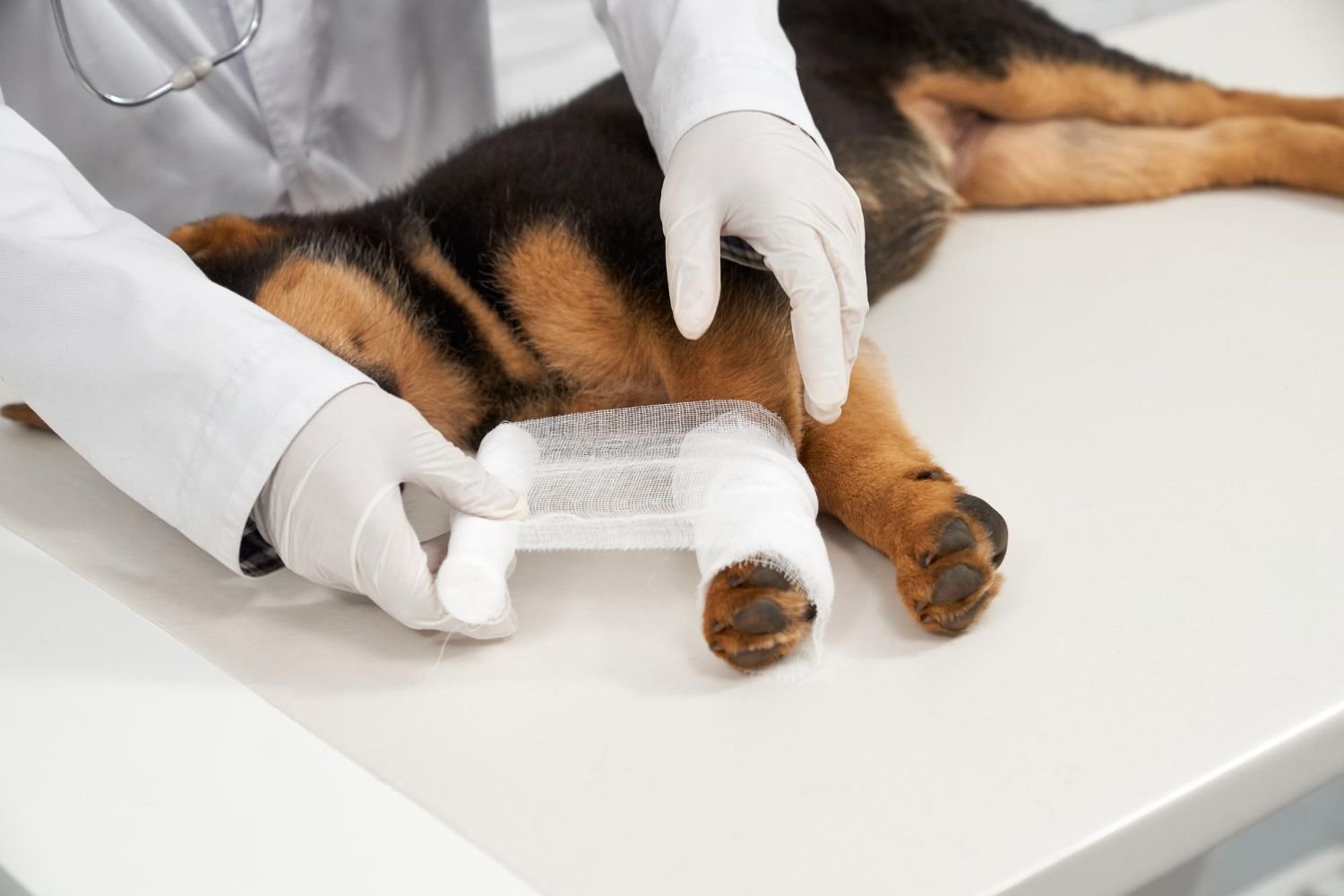
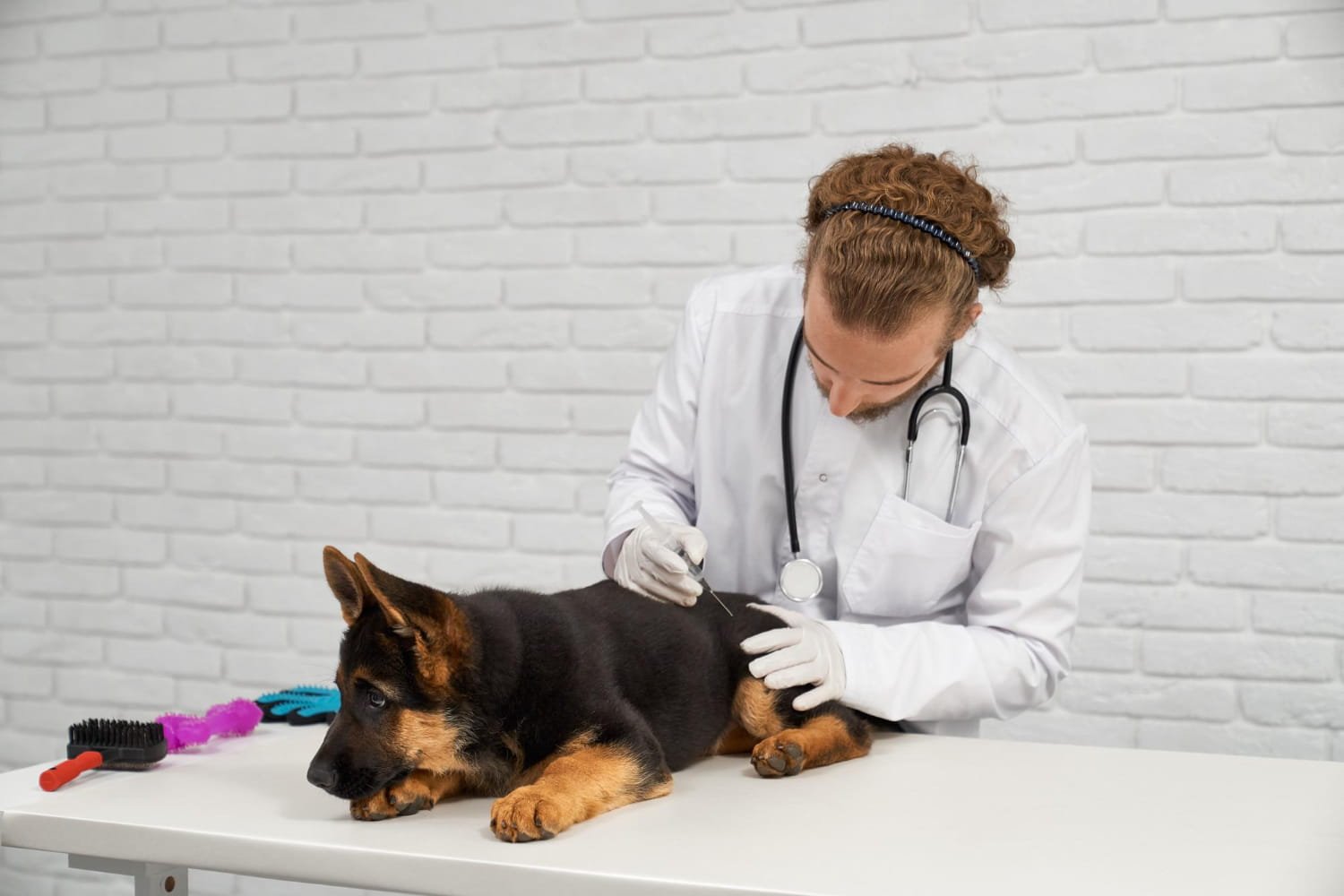
It's a quiet evening, and your dog is happily chewing on a toy. Then suddenly — a yelp, a limp, or perhaps they've gotten into something they shouldn't have. Your heart races. Your mind goes blank. What do you do first?
Here's something most pet parents don't realize until much later than they'd like: pets are remarkably good at hiding pain. It's an old survival instinct — in the wild, showing weakness makes an animal a target — and it doesn't disappear just because your cat sleeps on the couch instead of a savanna. Pet parents often overlook chronic pain in senior pets for months, sometimes longer, mistaken for "just getting older" instead of something that's actually treatable.
Collars slip off. Tags fall off. ID engravings fade until they're unreadable. A microchip doesn't have any of those problems, which is exactly why vets and shelters recommend it as the one form of identification that sticks around no matter what happens to your pet's collar. If you've been meaning to microchip your companion animal but weren't sure how the process actually works, here's everything you need to know, start to finish.
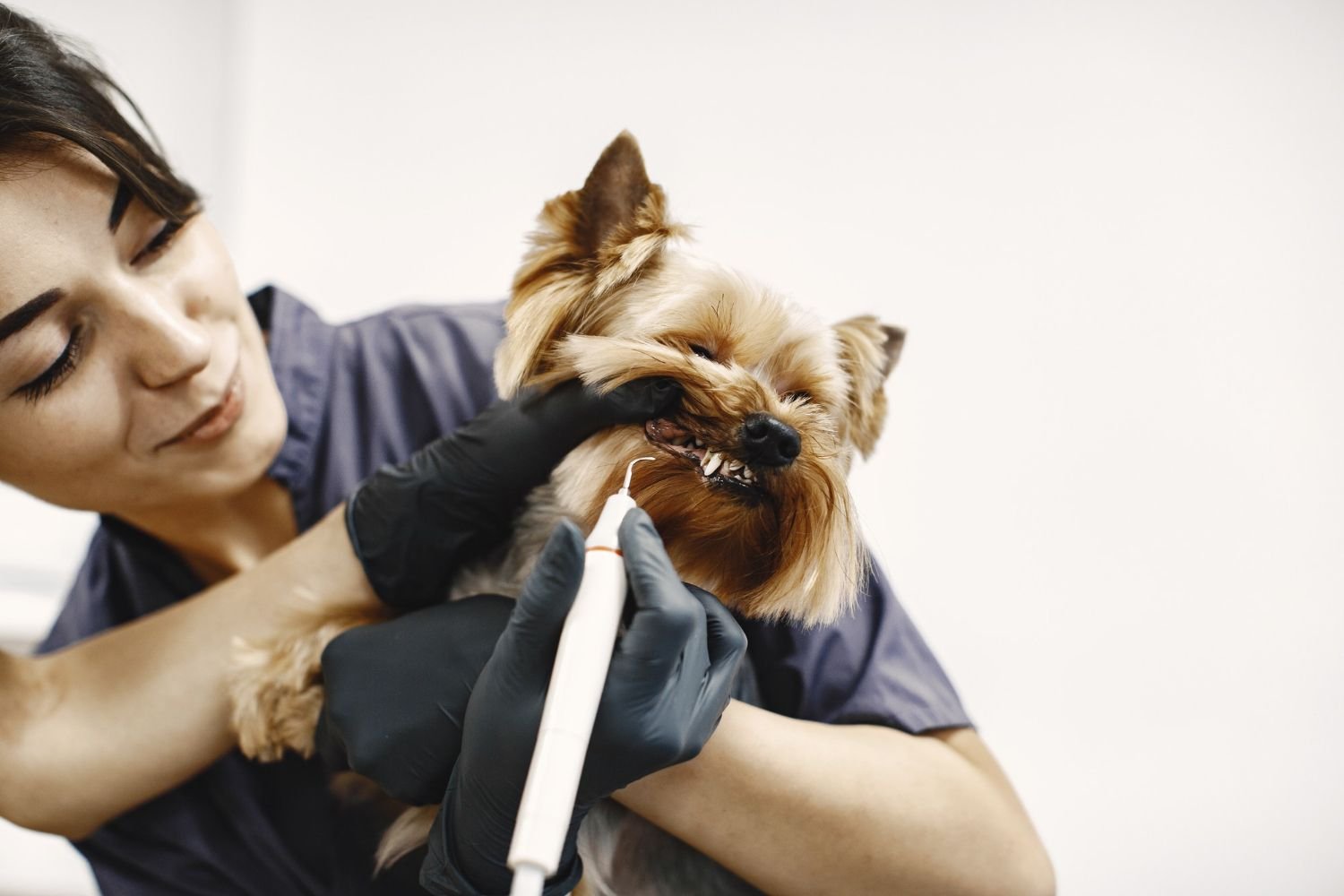
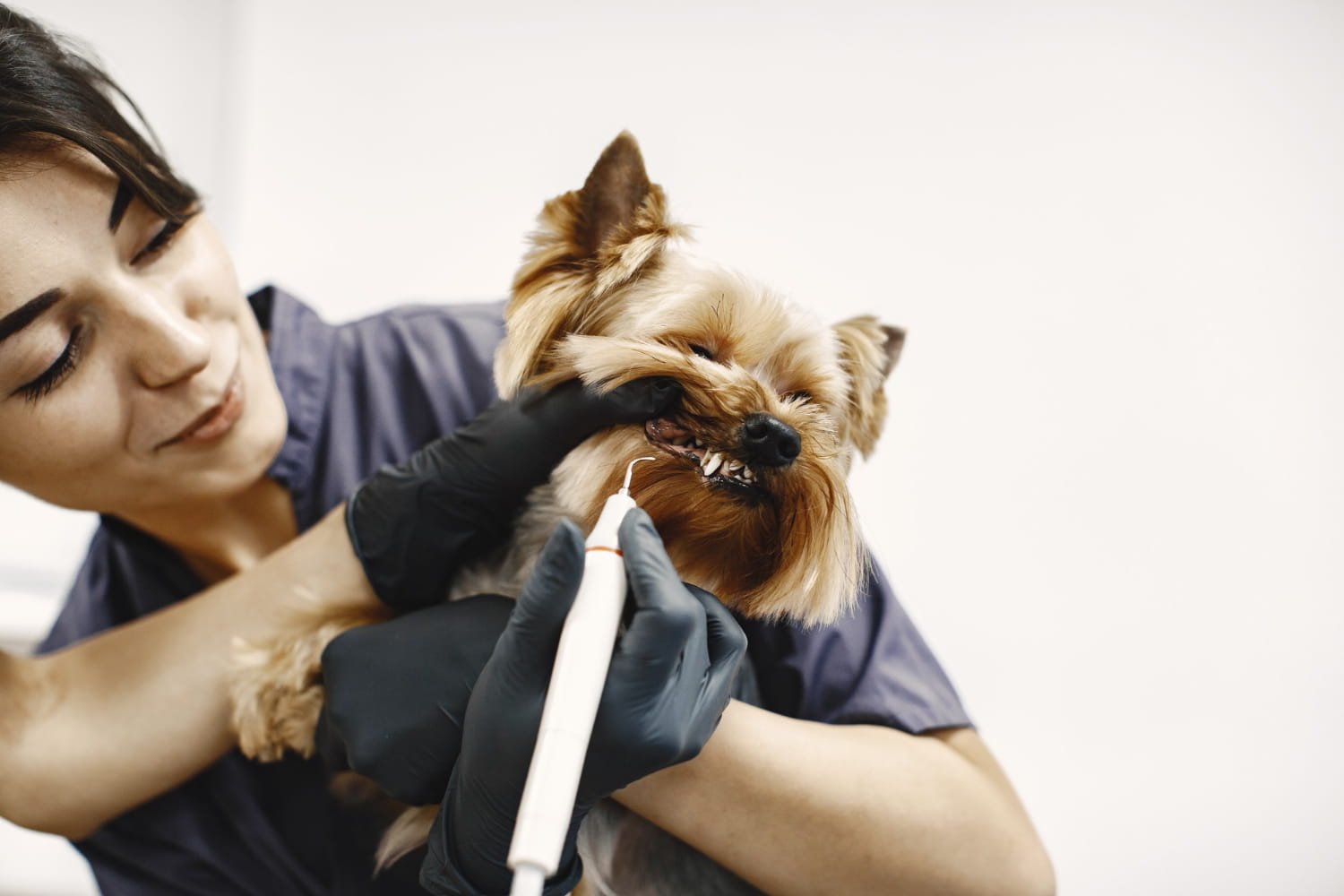
Most pet parents notice the smell before anything else — that unmistakable "dog breath" or "cat breath" that seems to just come with the territory. Except it usually doesn't. A consistent pet dental hygiene routine is one of the most overlooked parts of preventive care, and skipping it can lead to something far more serious than bad breath. Periodontal disease is one of the most common health problems vets see, and it's almost entirely preventable with the right habits at home.
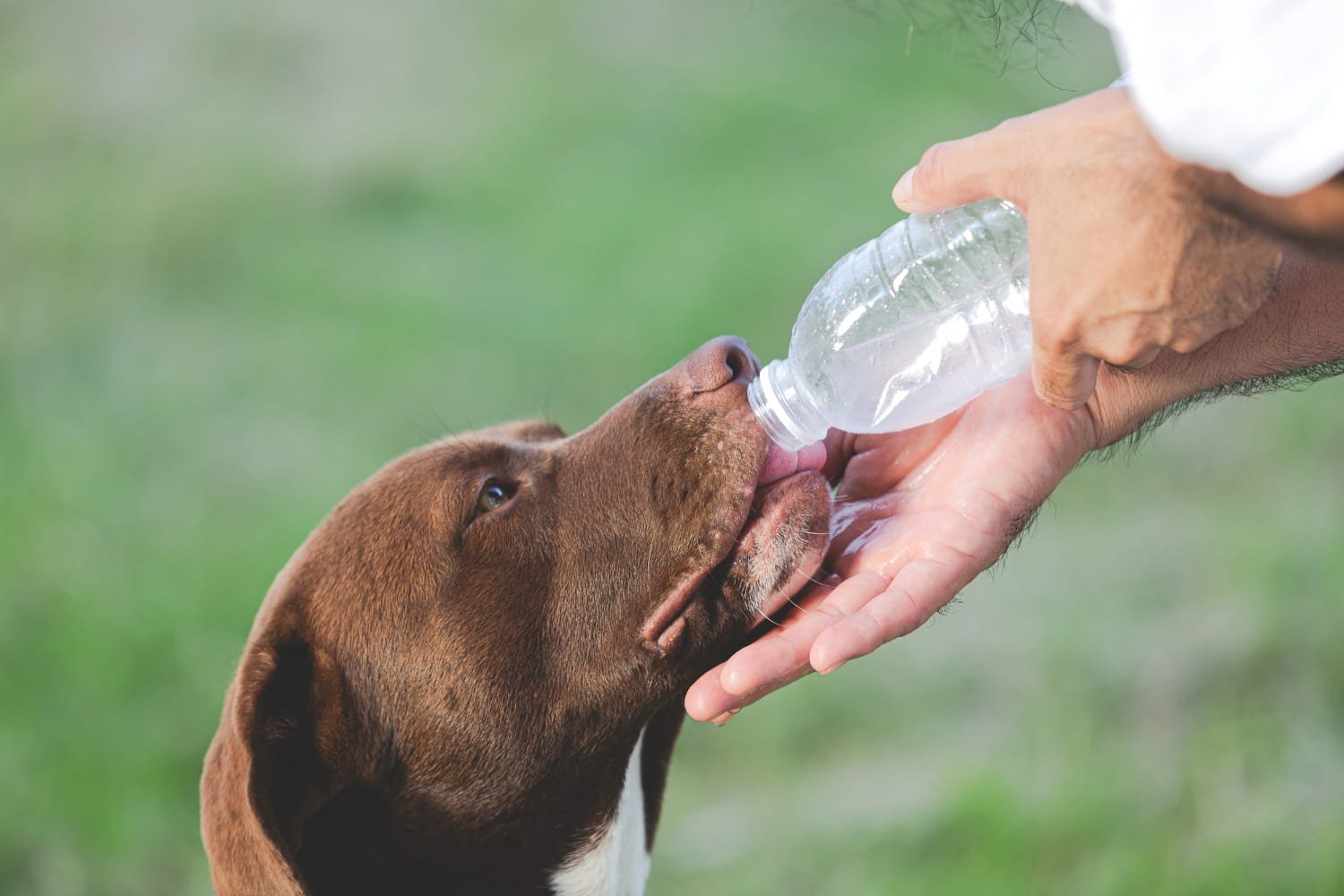
Summer heat sneaks up faster than most pet parents expect — one minute it's a warm afternoon, the next it's a genuine emergency. Unlike us, our pets can't peel off a jacket or grab an iced coffee when things get uncomfortable. Learning how to protect your pets from heatwaves isn't just a nice-to-know skill; it's the difference between a happy, lazy summer and a trip to the emergency vet.
Discover practical approaches to positive pet training, behavior, communication, and common training challenges. Learn how patience, consistency, and positive reinforcement can help support better communication and more positive interactions with your pet.
Explore practical information about pet nutrition, feeding choices, balanced diets, and everyday nutrition considerations. Learn how to better understand your pet’s dietary needs and make responsible feeding decisions based on their individual circumstances.
Learn about responsible pet adoption, from preparing your home to understanding a pet’s needs and making thoughtful adoption decisions. Explore practical guidance for helping pets find suitable, caring, and supportive homes.
Explore practical guidance for supporting your pet’s comfort, safety, welfare, and everyday well-being. Learn about responsible pet care practices that help create a healthier, safer, and more supportive environment for companion animals.
Discover practical pet grooming guidance for coat care, hygiene, grooming routines, and common grooming challenges. Learn how to approach more advanced grooming needs safely and make everyday grooming a more comfortable experience for your pet.