Your dog greets you with a wagging tail and a big, happy smile. But when they come close, you catch a whiff of something unpleasant. You think, “It’s just dog breath — nothing to worry about.”
That “doggy breath” is actually a warning sign. Periodontal disease is one of the most common health problems affecting dogs, and it can cause pain, inflammation, tooth loss, and other oral health problems when left untreated. Yet most owners don’t realize how serious — or how preventable — it really is.
Dental disease is extremely common in dogs. The American Veterinary Medical Association notes that dogs are very likely to have some early evidence of periodontal disease by age three. Risk can vary with factors such as age, breed, body size, and individual oral health.
At Best Pet Mate, we believe in proactive pet care. This guide covers why dog dental health matters, what happens when it is neglected, and how to protect your dog’s teeth — and overall health — with a practical home care routine.
Why Dog Dental Health Is a Serious Concern
Why Periodontal Disease Matters
Periodontal disease is not just a cosmetic issue. It is a progressive bacterial infection that affects the teeth, gums, and the structures supporting the teeth. It begins when plaque — a sticky film of food particles, bacteria, and saliva — hardens into tartar, especially near the gumline. Left untreated, it leads to gingivitis (inflamed gums), bone loss, and eventually tooth loss.
Dental disease doesn’t just stay in the mouth. Advanced periodontal disease can allow oral bacteria and inflammatory products to enter the bloodstream. Researchers have investigated associations between periodontal disease and changes affecting other parts of the body, although the relationship between oral disease and specific systemic diseases is complex. This is one reason regular veterinary dental assessment and appropriate home care are important.
Why Most Owners Don’t Catch It Early
Dogs Hide Pain
Dental disease can be difficult for owners to recognize because dogs may show few obvious signs of oral pain, especially in the earlier stages. They rarely cry out from dental pain, so owners often don’t notice until the condition is already advanced.
Subtle Signs to Watch For
Even when symptoms appear, they are easy to dismiss as normal. Watch for:
- Persistent bad breath — This is not normal dog breath.
- Yellow or brown tartar buildup on teeth
- Red, swollen, or bleeding gums
- Drooling more than usual
- Chewing on one side of the mouth or dropping food
- Reluctance to eat hard food or treats
- Pawing at the mouth
- Becoming head-shy or not wanting their mouth touched
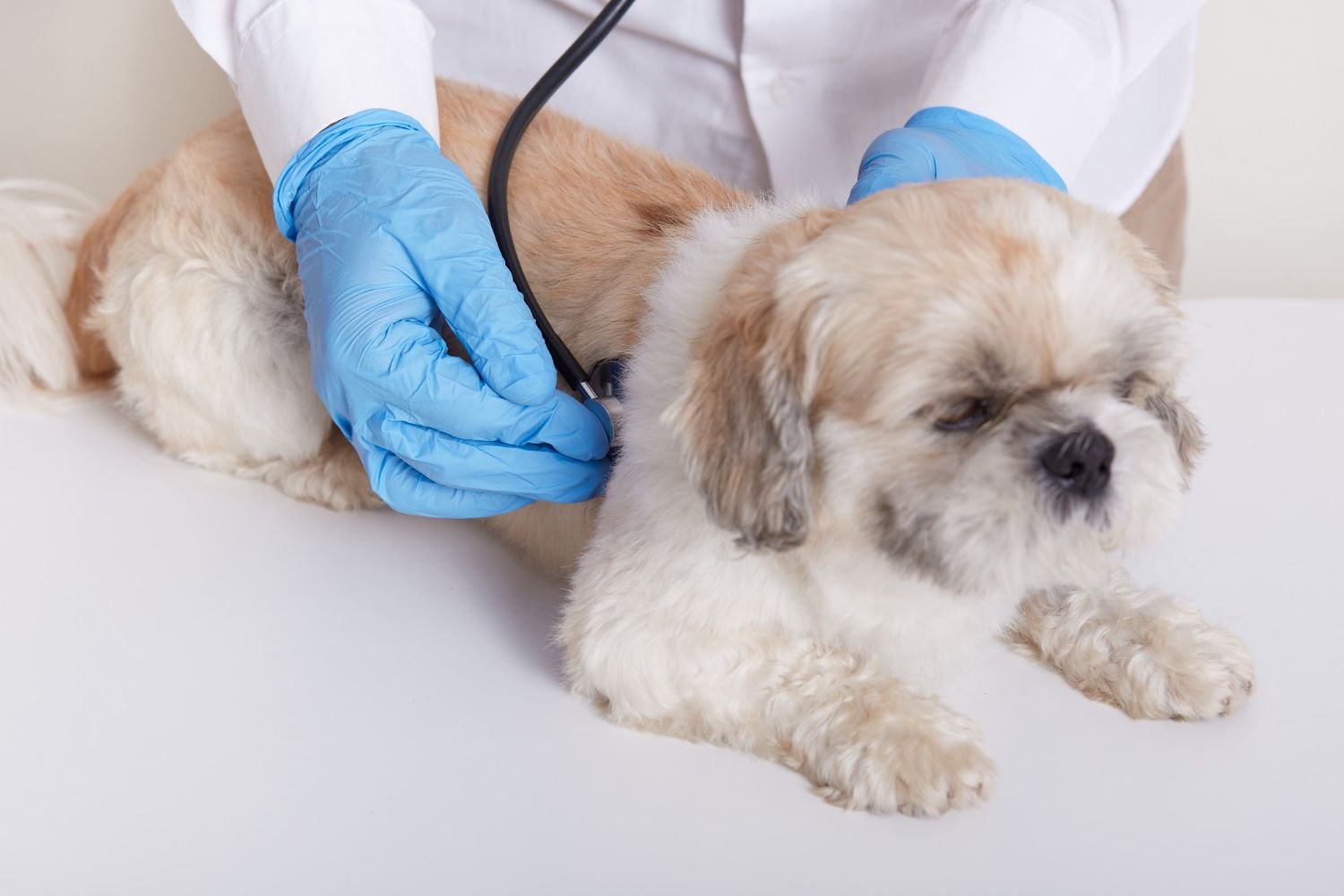
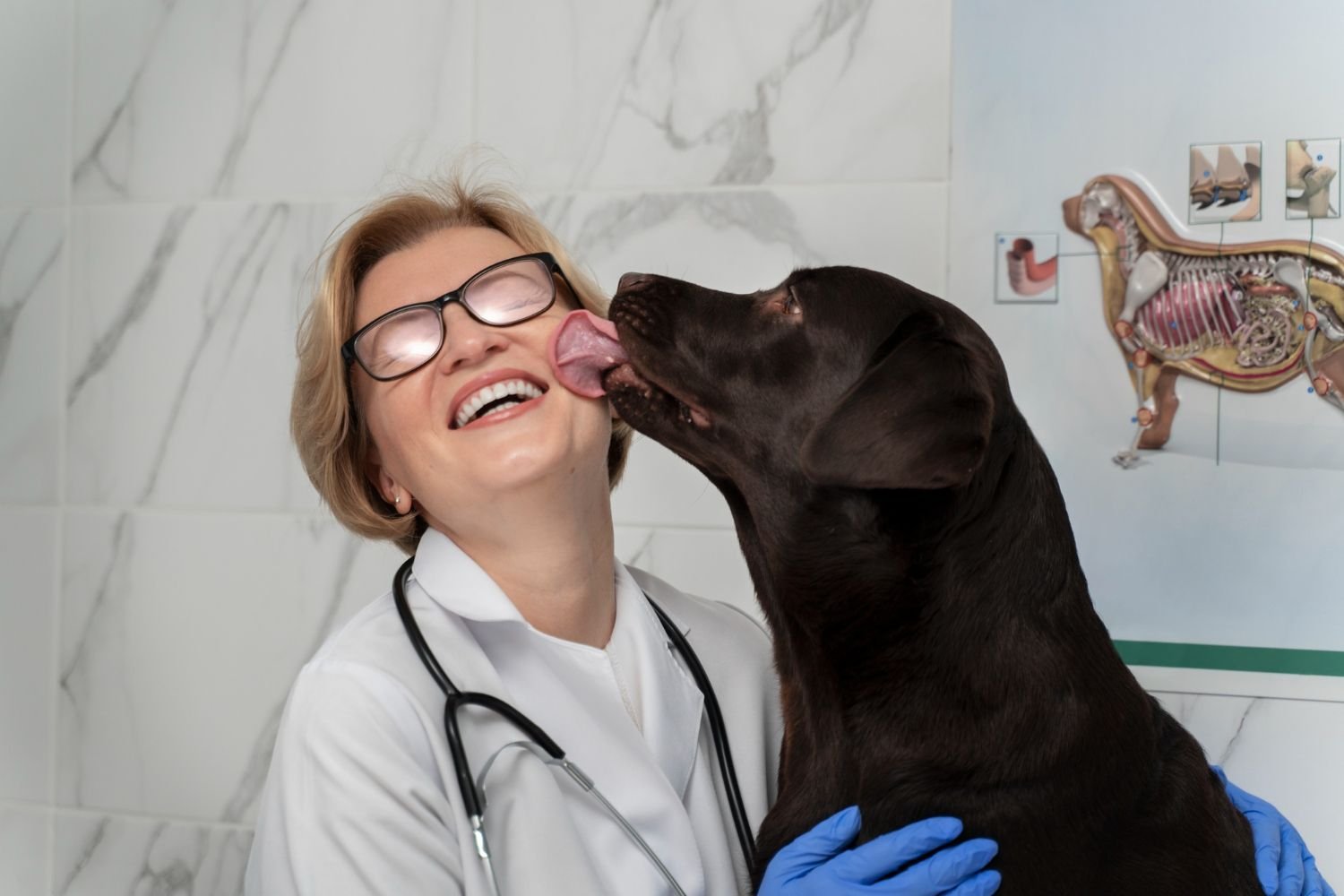
Even without obvious symptoms, a veterinary exam is recommended at least once a year to evaluate your dog’s teeth.
The Gold Standard of Dental Care
Professional Cleanings Under Anesthesia
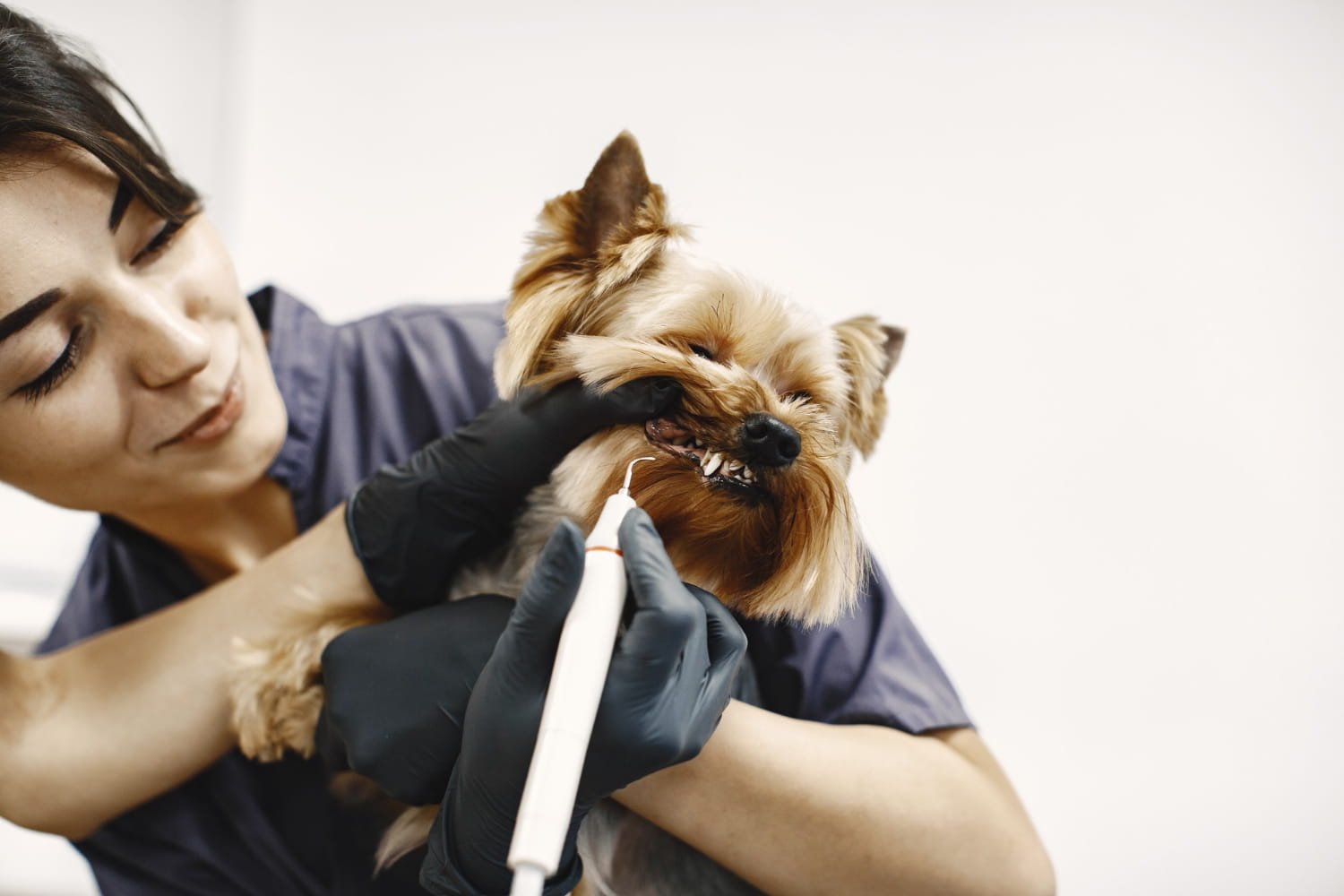
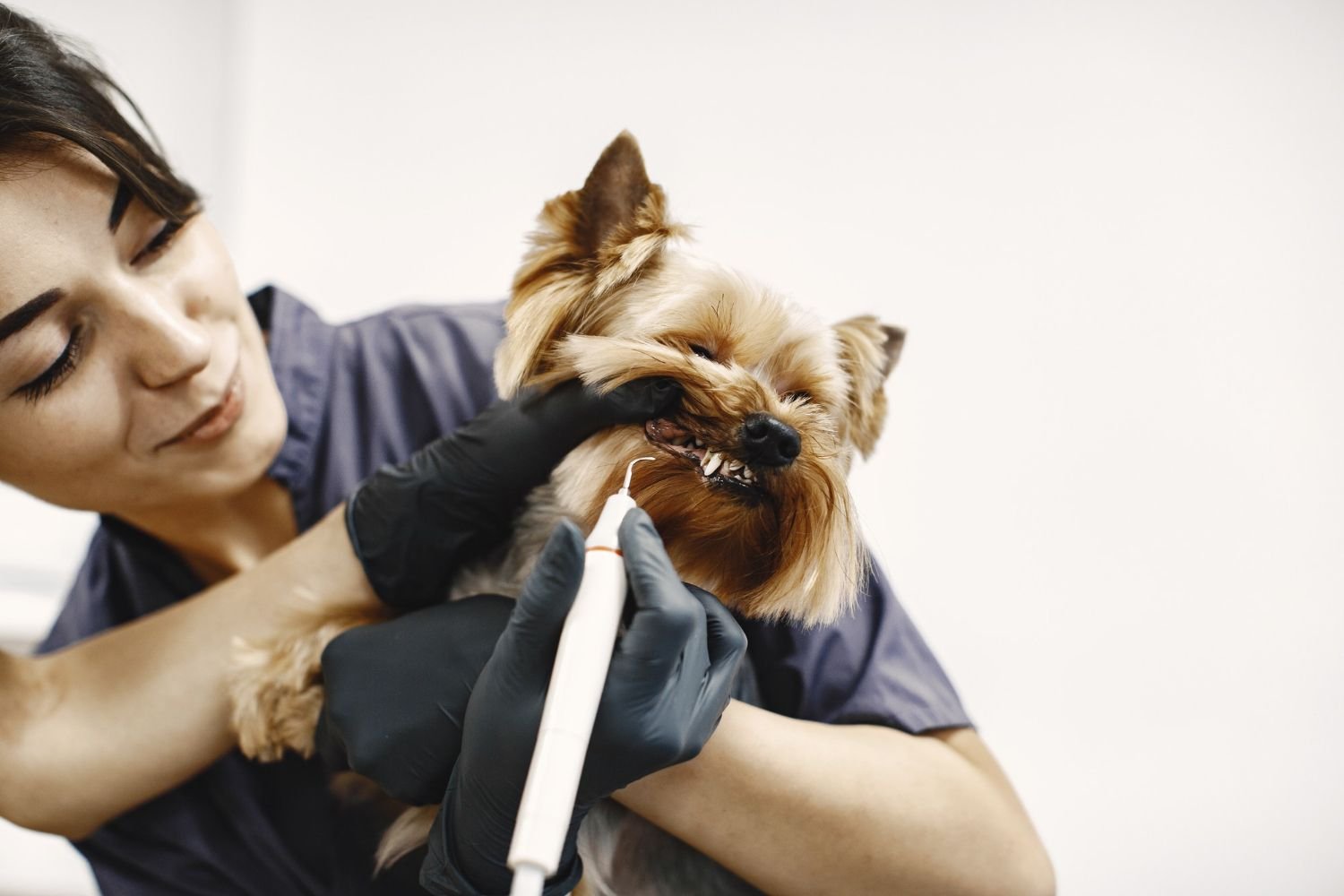
A thorough dental cleaning requires general anesthesia. This allows the veterinarian to examine and clean below the gumline, take X-rays, and safely remove any diseased teeth if necessary.
Why anesthesia matters: Important areas of the tooth and supporting structures are located below the gumline, where they cannot be adequately evaluated by simply looking at the visible tooth surface. Issues such as root problems, bone loss, and other disease below the gumline may not be visible during a simple visual examination, which is why dental radiographs are an important part of a comprehensive dental assessment.
How often?
There is no single dental-cleaning schedule that fits every dog. Your veterinarian can recommend the appropriate timing based on your dog’s oral examination, periodontal health, age, breed or size, home-care routine, and other individual risk factors.
The Risk of “Anesthesia-Free” Cleanings
Some owners worry about anesthesia and opt for non-anesthetic cleanings. Dr. Manfra Marretta, a board-certified veterinary dentist, cautions: “Although scaling calculus off the teeth can be cosmetically pleasing, you simply can’t really get into the area under the gumline and in pockets without general anesthesia”. These cleanings may cause pain or injury and miss problems hiding under the gums.
At-Home Prevention: Why Regular Brushing Matters
Why Brushing Matters
Daily tooth brushing is the recommended home-care routine because it helps remove plaque before it accumulates. If daily brushing is difficult, talk with your veterinarian about other appropriate home-care options rather than abandoning dental care altogether.
The mechanical brushing action is more important than the toothpaste. Pet-specific toothpaste can make the experience more acceptable to some dogs. Never use human toothpaste unless your veterinarian specifically confirms that a particular product is appropriate.
How to Start Brushing
Most dogs won’t accept toothbrushing right away. Take it slow:
- First few days: Let your dog sniff and lick the toothpaste from your finger or a toothbrush.
- Next step: Gently lift your dog’s lip and rub the toothbrush in a circular motion along the gumline of the largest teeth.
- Gradually increase: Use a 45-degree angle to target the gingival sulcus, and brush more teeth as your dog gets comfortable.
- Keep it positive: Offer praise or a reward afterward so your dog associates brushing with a positive experience.
Pro Tip: Start early. You can gradually introduce puppies to having their mouth handled before permanent teeth erupt, helping them become comfortable with the routine. Regular tooth brushing can then become part of their home-care routine as the permanent teeth come in.
Products That Actually Help
Look for the VOHC Seal
Many dental products on the market claim to help, but not all are effective. The VOHC awards its Seal of Acceptance to products that meet its criteria for helping control plaque and/or tartar. Consider products that carry the VOHC Seal of Acceptance, including:
- Dental chews and treats — Dental chews and other oral-care products can be useful additions to a home-care routine. When choosing a product, look for options accepted by the Veterinary Oral Health Council (VOHC) and follow the product’s size and use instructions.
- Dental diets — Specially formulated kibble with larger, textured pieces that scrape teeth as your dog chews.
- Water additives and sprays — Require minimal effort and can be used alongside brushing.
What to Avoid
Avoid extremely hard items such as bones, antlers, and other objects that can fracture teeth. Ask your veterinarian which chew options are appropriate for your dog’s size and chewing habits.
Pro Tip: A Full-Mouth Exam Is the First Step
If your dog has not had a recent dental examination, ask your veterinarian to assess their teeth and gums before starting or changing a home-care routine. If painful dental disease is present, it may need veterinary treatment before brushing is comfortable. Brushing a dog’s teeth before identifying a painful area can cause them to resist brushing long-term.
Frequently Asked Questions
How common is dental disease in dogs?
Dental disease is extremely common in dogs, and the risk increases with age. The American Veterinary Medical Association notes that dogs are very likely to have some early evidence of periodontal disease by age three. Regular veterinary dental examinations and home care can help identify and manage problems earlier.
Do dogs really need their teeth brushed?
Daily tooth brushing is the recommended home-care routine because it helps remove plaque before it accumulates. If daily brushing is difficult, talk with your veterinarian about other appropriate dental-care options for your dog.
Is anesthesia safe for a dental cleaning?
Anesthesia carries risks, but veterinary teams use patient assessment, monitoring, appropriate anesthetic protocols, and other precautions to reduce those risks. The appropriate approach depends on the individual dog’s age, health, and dental needs. Talk with your veterinarian about the planned anesthetic protocol and any pre-anesthetic testing recommended for your dog.
What are the signs of dental disease in dogs?
Watch for persistent bad breath, yellow or brown tartar, red or bleeding gums, drooling, chewing on one side, dropping food, or reluctance to eat hard food. However, many dogs show no obvious signs until the disease is advanced.
Can dental disease affect my dog’s overall health?
Advanced periodontal disease can allow oral bacteria and inflammatory products to enter the bloodstream. Periodontal disease has been associated with changes beyond the mouth, but the relationship between periodontal disease and specific systemic diseases is complex. Your veterinarian can explain the potential implications for your individual dog.