You notice your dog scratching more than usual. Or maybe they seem stiff getting up from a nap. A little ear shaking, a bit of bad breath — nothing serious, right?
These signs can sometimes be early clues that something needs attention. Nationwide’s 2026 analysis of more than 3.3 million pet insurance claims found that chronic conditions made up six of the top ten canine claim categories, with skin allergies ranking first for the 15th consecutive year. Skin allergies, arthritis, dental disease, ear infections, and gastrointestinal problems are among the common health issues reported in dogs, with skin allergies ranking first in Nationwide’s 2026 claims analysis.
The good news? Many of these conditions can be managed more effectively when recognized early, while appropriate preventive care may help reduce the risk of some health problems. At Best Pet Mate, we believe in proactive pet care — recognizing changes early and seeking appropriate veterinary care before problems become more difficult to manage. This guide covers the most common dog health problems in 2026 and practical steps you can take to reduce risks and support your dog’s health.
The 2026 Picture: What the Data Shows
For the 15th year running, Nationwide Insurance analyzed over 3.3 million pet insurance claims to identify the top health conditions affecting dogs. Skin allergies ranked #1 again — a position they have held for 15 consecutive years. Chronic conditions made up six of the top ten, highlighting how many of the commonly reported canine health conditions can involve ongoing management and veterinary care.
What is new in 2026? Seizures entered the top ten for the first time, while kidney disease and cranial cruciate ligament tears followed closely behind. Nationwide’s data shows that these conditions are appearing frequently enough in its insured population to warrant attention, although claims data alone cannot explain why their rankings changed.
A proactive approach to preventive care can help owners recognize changes earlier and discuss appropriate care with their veterinarian. According to the AAHA-AVMA Canine Preventive Healthcare Guidelines, all dogs should have a veterinary examination at least annually, and for many dogs, more frequent visits may be appropriate.
Skin Allergies and Dermatological Conditions
Skin allergies can cause persistent itching and inflammation, and affected dogs may also develop secondary skin problems such as infections or hot spots.
Nationwide-reported cost: $286 within the first 30 days after diagnosis; $891 during the first year.
Breeds most affected: Golden Retrievers, French Bulldogs, Shih Tzus, German Shepherds, and breeds with skin fold issues.
Prevention strategies:
- Regular brushing to remove loose hair, debris, and potential irritants from the coat
- Use of moisturizing shampoos formulated for sensitive skin
- Discuss nutrition and appropriate fatty-acid supplementation with your veterinarian when your dog has recurring skin problems
- Early veterinary consultation for persistent itching or recurring infections
Arthritis and Joint Disease
Arthritis and degenerative joint disease affect millions of dogs, particularly as they age. Arthritis can affect dogs at different ages, with risk influenced by factors such as age, body size, previous joint injury, genetics, and body condition. Signs can include stiffness after rest, difficulty rising, reluctance to climb stairs or jump, and reduced activity.
Nationwide-reported cost: $420 within the first 30 days after diagnosis; $1,245 during the first year.
Breeds most affected: Labrador Retrievers, German Shepherds, Golden Retrievers, Rottweilers, and large-breed dogs.
Prevention strategies:
- Maintaining a healthy weight to reduce stress on joints
- Discuss joint-support supplements, such as those containing glucosamine or omega-3 fatty acids, with your veterinarian if appropriate for your dog.
- Appropriate exercise — regular low-impact activity like swimming
- Orthopedic bedding and ramps to reduce strain
- Early veterinary assessment for any signs of stiffness or reluctance to move
Dental Disease
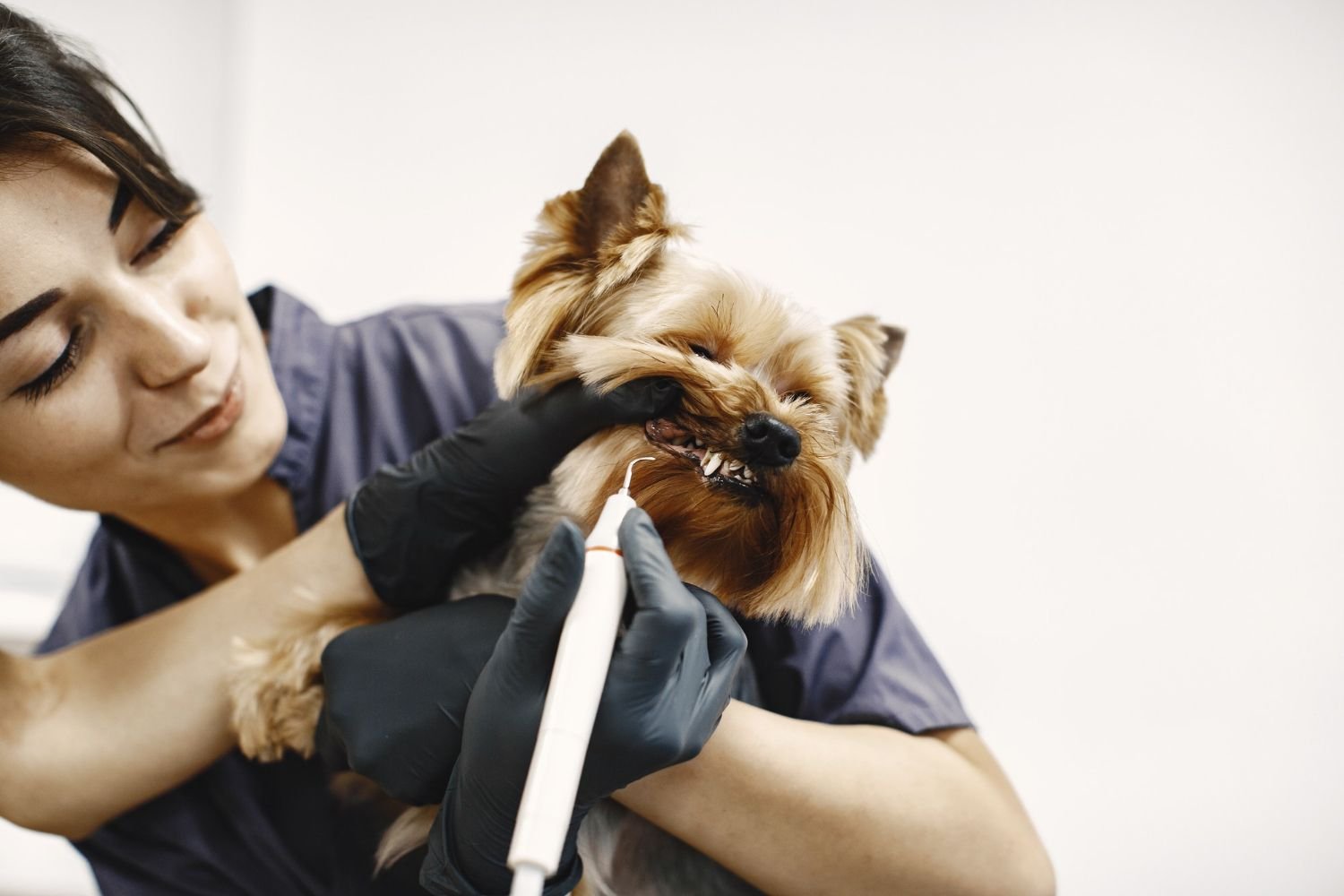
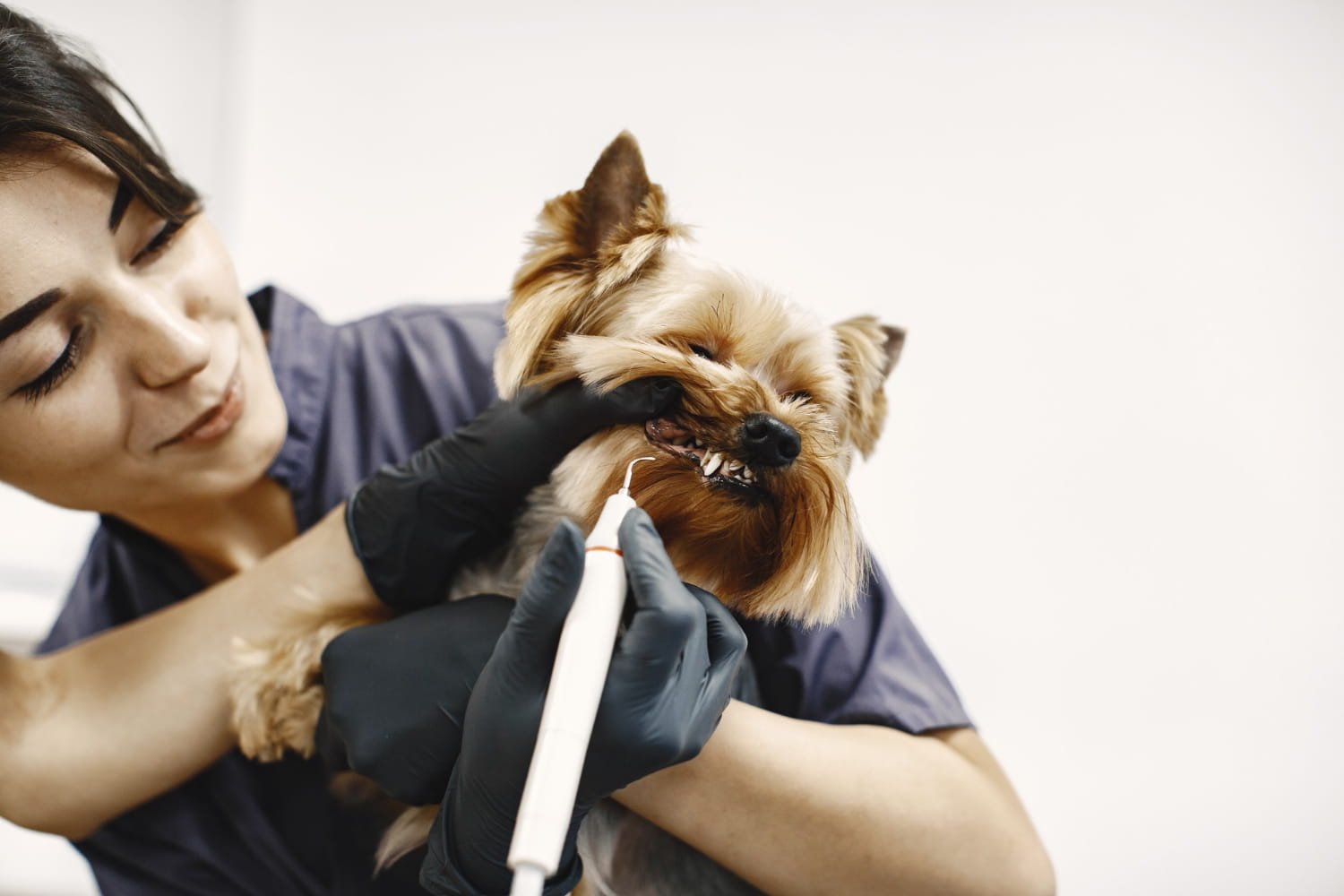
Periodontal disease can begin early — by age three, many dogs already have early signs of periodontal disease. Periodontal disease affects the teeth, gums, and supporting structures, leading to pain, tooth loss, and systemic health issues if untreated. Dental disease is often overlooked because visible signs are not always obvious until the condition is advanced.
Nationwide-reported cost: $1,420 within the first 30 days after diagnosis.
Breeds most affected: Small breeds, brachycephalic breeds, and older dogs.
Prevention strategies:
- Regular tooth brushing with dog-specific toothpaste
- Dental chews and toys that help reduce plaque and tartar
- Annual professional dental cleanings as recommended by your veterinarian
- Routine home dental checks for signs of redness, swelling, or bad breath
Ear Infections
Ear infections account for approximately 9% of dog claims, with conditions ranging from mild inflammation to chronic ear disease. Moisture, changes in the ear environment, allergies, parasites, and other underlying problems can contribute to ear disease or recurrent infections. Dogs with floppy ears or existing skin sensitivities are particularly vulnerable.
Nationwide-reported cost: $312 within the first 30 days after diagnosis.
Breeds most affected: Cocker Spaniels, Labrador Retrievers, Basset Hounds, and breeds with floppy ears.
Prevention strategies:
- Regular ear cleaning using veterinarian-recommended solutions
- Thorough drying of ears after swimming or bathing
- Managing underlying allergies that can trigger ear inflammation
- Routine checks for redness, odor, or discharge
Gastrointestinal Issues (Vomiting and Diarrhea)
Gastrointestinal illness accounts for approximately 9% of claims, including vomiting, diarrhea, and gastroenteritis. While many cases are mild and treatable, others require hospitalization, imaging, intravenous fluids, or overnight monitoring.
Nationwide-reported cost: $768 within the first 30 days after diagnosis.
Prevention strategies:
- A complete and balanced diet appropriate for your dog’s life stage and individual needs
- Avoiding sudden diet changes — transition to a new diet gradually according to your veterinarian’s advice.
- Preventing access to table scraps and garbage
- Regular deworming as recommended by your veterinarian
Breed-Specific Health Risks
Certain breeds have increased risks for particular health conditions. These predispositions do not mean an individual dog will develop them, but knowing the potential risks can help owners discuss appropriate screening and preventive care with their veterinarian.
- Labrador Retrievers: Hip and elbow dysplasia, obesity, ear infections
- French Bulldogs, Pugs, and brachycephalic breeds: Brachycephalic Obstructive Airway Syndrome (BOAS), breathing difficulties, eye conditions, skin fold infections
- German Shepherds: Hip and elbow dysplasia, degenerative myelopathy, allergies
- Cavalier King Charles Spaniels: Mitral valve disease (heart disease), syringomyelia, chronic ear problems
Pro Tip: Shift from Reactive to Proactive Care
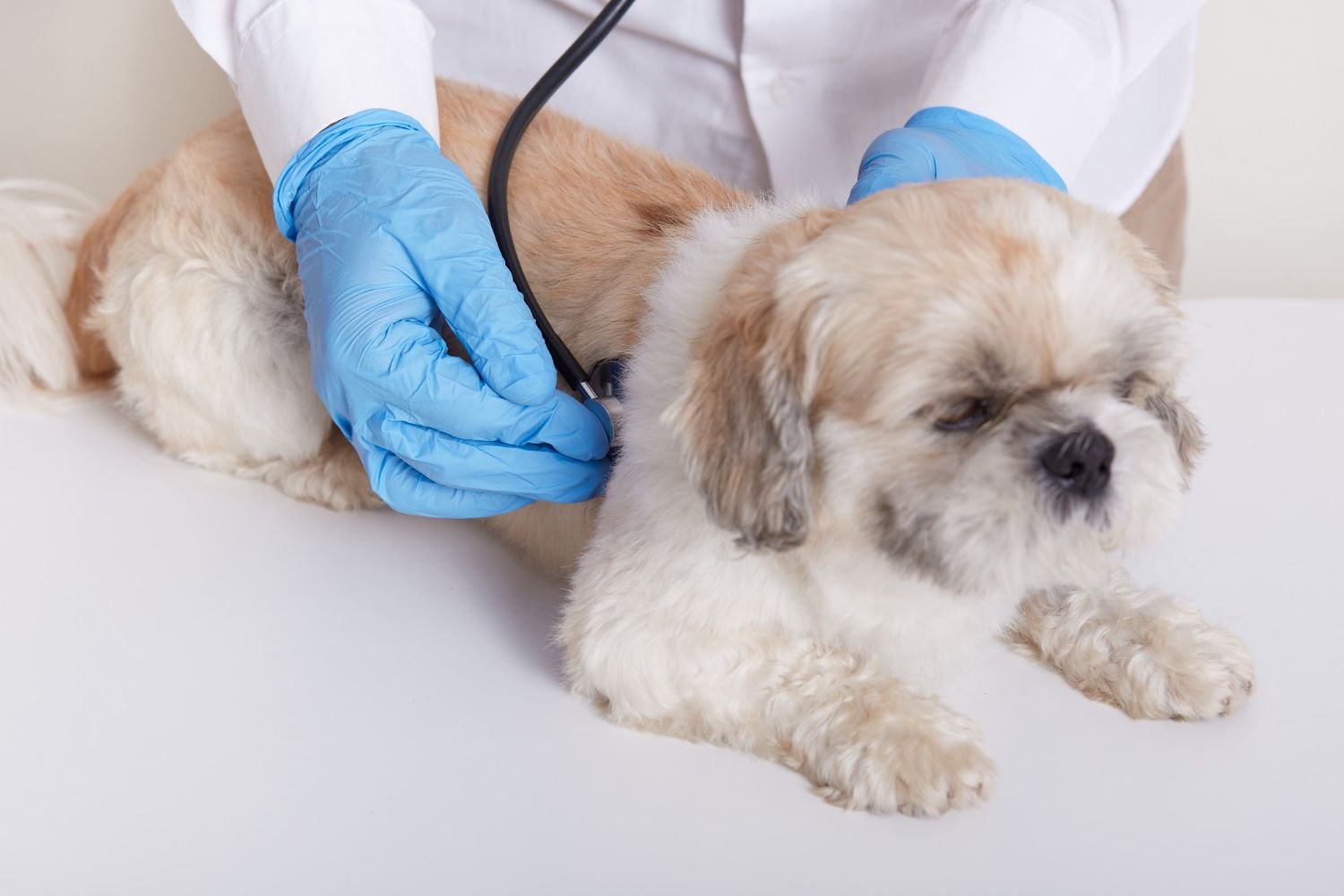
Regular veterinary examinations are an important part of preventive healthcare. They provide an opportunity to discuss vaccinations, parasite prevention, dental care, nutrition, weight, behavior, and age- or breed-related risks with your veterinarian.
Simple daily habits like regular brushing, weight monitoring, and checking ears and teeth can catch problems early before they become serious. Make preventive care a part of your routine rather than waiting for symptoms to appear.
AAHA/AVMA Preventive Healthcare Guidelines Implementation – The AAHA/AVMA Canine Preventive Healthcare Guidelines, developed jointly by the American Animal Hospital Association and American Veterinary Medical Association, emphasize regular examinations and individualized preventive care. Although the guidelines were originally published in 2011, AAHA continues to reference them as a preventive-care resource. The guidelines recommend that all dogs should have a veterinary examination at least annually, with more frequent visits appropriate for many dogs. Key principles include regular physical examinations, core and non-core vaccinations, year-round parasite prevention, regular dental assessments, behavioral health screening, and age-appropriate diagnostic testing.
Frequently Asked Questions
What are the most common health problems in dogs in 2026?
Nationwide’s 2026 claims analysis lists skin allergies, intestinal upset/diarrhea, ear infections, arthritis, trauma, dental disease, urinary tract infections, heart disease, liver disease, and seizures among the ten most common canine claim categories. Six of those ten conditions are classified as chronic by Nationwide.
How can I prevent common dog health problems?
Regular veterinary checkups, maintaining a healthy weight, proper dental care, ear cleaning, and a balanced diet are important parts of preventive care. The AAHA/AVMA guidelines recommend that all dogs have a veterinary examination at least annually, with more frequent visits appropriate for many dogs.
Which breeds are most prone to health issues?
Labrador Retrievers face joint and ear issues; brachycephalic breeds (French Bulldogs, Pugs) have respiratory challenges; German Shepherds are prone to hip dysplasia and allergies; Cavalier King Charles Spaniels are at risk for heart disease.
At what age do dogs typically develop arthritis?
Dogs can develop arthritis at different ages, although the risk generally increases with age. Previous joint injuries, genetics, body size, and excess body weight can also influence risk. Watch for stiffness after rest, difficulty rising, reluctance to move, or reduced activity, and discuss these changes with your veterinarian.
Why are chronic conditions so common in dogs?
Many chronic conditions become more common or require ongoing management as dogs age. However, Nationwide’s claims data does not by itself establish why chronic conditions make up such a large share of claims. Individual risk varies with age, breed, genetics, lifestyle, and other factors.
Our [How to Protect Your Dog’s Paws and Skin in Extreme Weather] guide also covers skin and paw protection, useful for preventing weather-related health issues.
When to Call Your Veterinarian
Contact your veterinarian when you notice persistent or worsening changes such as repeated vomiting or diarrhea, ongoing itching, recurring ear problems, difficulty eating, unusual stiffness, changes in appetite or drinking, unexplained weight changes, seizures, breathing difficulties, or significant changes in behavior.
Some symptoms require urgent attention. If your dog has trouble breathing, collapses, experiences a seizure that does not stop, has severe bleeding, or appears to be in significant distress, seek emergency veterinary care.