Summer heat sneaks up faster than most pet parents expect — one minute it’s a warm afternoon, the next it’s a genuine emergency. Unlike us, our pets can’t peel off a jacket or grab an iced coffee when things get uncomfortable. Learning how to protect your pets from heatwaves isn’t just a nice-to-know skill; it’s an important part of keeping your pet comfortable and reducing the risk of a heat-related emergency.
One question pet parents commonly have during extreme heat is: “Is this normal, or is this an emergency?“ So let’s walk through exactly what heat stress looks like, what actually helps, and when it’s time to stop watching and start acting.
Why Pets Overheat Faster Than People Think
Dogs and cats have limited ways of releasing excess body heat. Dogs rely heavily on panting, while cats generally rely more on behavioral cooling and limited sweating through their paw pads.
According to the American Veterinary Medical Association (AVMA), panting is the primary way dogs cool themselves, and panting becomes less effective as humidity rises because evaporation is less efficient in humid conditions. In very hot or humid weather, this cooling system can become overwhelmed.
Certain animals are at higher risk than others, which matters a lot when you’re trying to protect your pets from heatwaves effectively. Brachycephalic (flat-faced) breeds like bulldogs, pugs, and Persian cats struggle more because their airways are already narrower. Senior pets, very young animals, overweight pets, and those with underlying heart or respiratory issues also overheat faster and recover more slowly than a healthy adult in their prime.
Recognizing the Early Signs of Overheating
Recognizing heat stress early can help prevent it from progressing to heatstroke. Watch for these warning signs during hot weather:
- Heavy, rapid panting that doesn’t settle down after rest
- Unusually red or pale gums, and thick, ropey drool
- Lethargy, stumbling, or a sudden loss of coordination
- Excessive thirst followed by refusing water entirely
- Vomiting, diarrhea, or visible confusion
If you notice several of these together, don’t wait to see if it passes on its own. This is exactly the moment to protect your pets from heatwaves actively rather than passively watching. Move your pet to shade or air conditioning immediately and begin cooling them down while you assess the situation.
Everyday Ways to Protect Your Pets from Heatwaves
Rethink the Daily Walk Schedule
Whenever possible, plan outdoor activity for the cooler parts of the day and avoid the hottest periods. Shifting walk times even by an hour or two can make a meaningful difference. Before heading out, press the back of your hand against pavement or asphalt for a few seconds — if it’s too warm for your skin, it’s too hot for paws.
Keep Water Constantly Available
- Place multiple water bowls around the house and yard, not just one
- Refresh water more often during heat waves, since warm water is less appealing and pets may drink less as a result
- Add ice cubes to bowls to keep water cooler for longer stretches
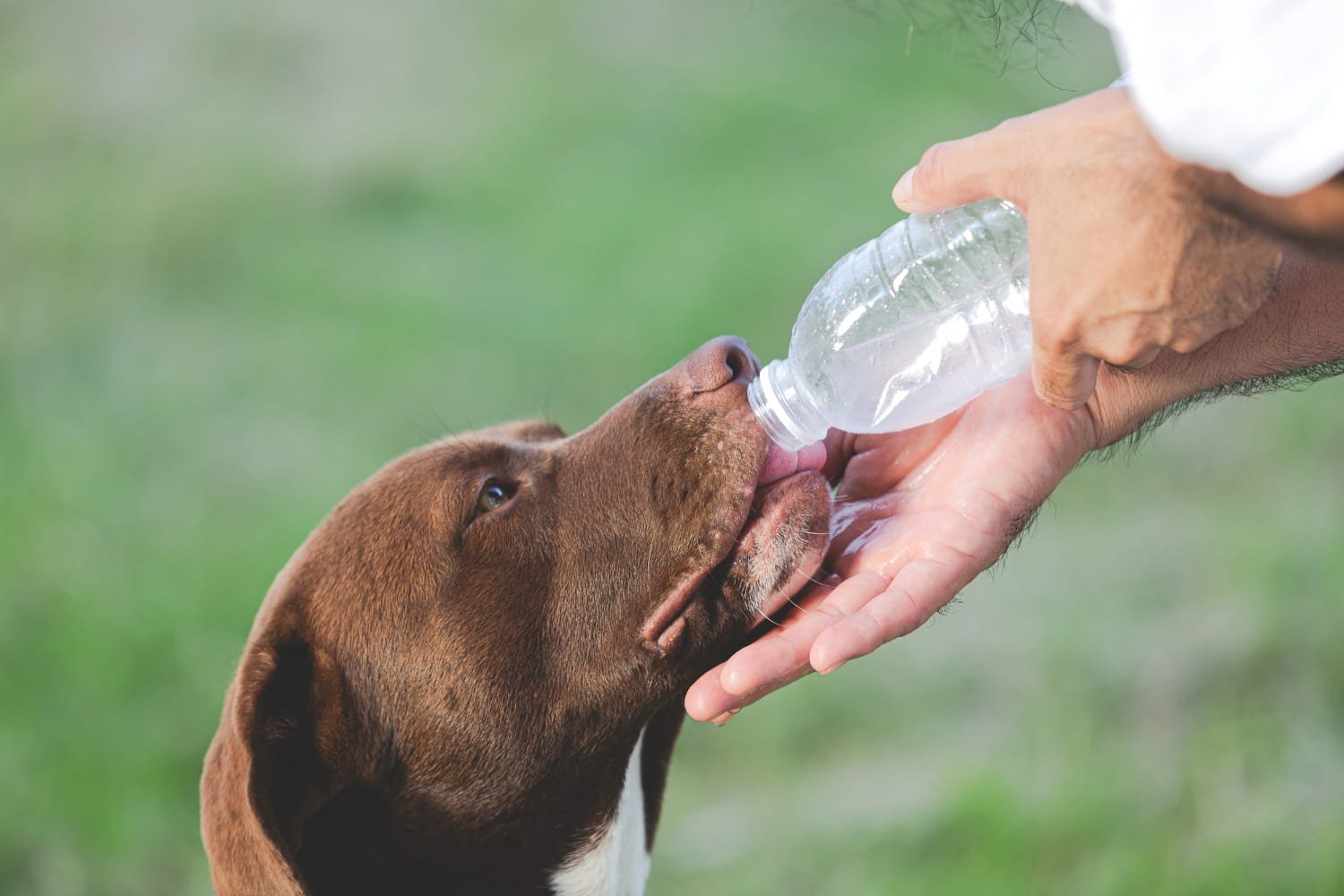
- Bring a portable water bottle on any outing, even short ones
Create Cool Zones Indoors and Outdoors
Fans, air conditioning, cooling mats, and shaded areas can give pets a cooler place to rest. For animals that enjoy water, supervised access to an appropriate shallow pool can also provide an opportunity to cool down.
Never Leave Pets in Parked Cars
This one deserves its own heading because it’s genuinely that important. Car interiors heat up dramatically within minutes, even with windows cracked and even on days that don’t feel that hot outside. If your pet can’t come inside with you, they shouldn’t come along for the ride at all during warm weather.
What to Do If You Suspect Heatstroke
Heatstroke is a veterinary emergency. If your pet is showing serious signs such as collapse, seizures, severe weakness, confusion, or difficulty breathing, act quickly while arranging veterinary care.
- Move your pet away from the heat. Take them to a cool, shaded, or air-conditioned area immediately.
- Start cooling them promptly. Use cool water and airflow from a fan where appropriate. Avoid delaying cooling while preparing to travel to the veterinarian.
- Do not force water into your pet’s mouth. If your pet is alert and able to drink normally, you can offer small amounts of fresh water.
- Contact a veterinarian or emergency veterinary clinic immediately. Heatstroke can cause serious internal complications even when a pet appears to improve.
- Continue following veterinary instructions while transporting your pet. Keep monitoring your pet and avoid leaving them unattended.
The exact cooling approach can depend on the animal, its condition, and whether it can safely be handled. Veterinary guidance is especially important for unconscious, seizing, vomiting, or severely distressed pets. Current veterinary references emphasize that heatstroke requires prompt cooling and professional assessment.
Common Mistakes Pet Parents Make During Heatwaves
Assuming shade alone is enough protection is one of the most frequent mistakes, since temperatures under a tree can still climb dangerously high on a still, humid day. Skipping water breaks during exercise because a walk “isn’t that long” is another common misstep, particularly with senior pets or those carrying extra weight. Many pet parents also underestimate how quickly a car interior heats up, assuming a cracked window or a quick errand makes it safe, when in reality neither one meaningfully lowers the risk, and this single habit is one of the fastest ways to fail to protect your pets from heatwaves.
Conclusion
Knowing how to protect your pets from heatwaves comes down to a handful of consistent habits: watching for early warning signs, adjusting your schedule around the hottest hours, and never underestimating how fast heat can turn dangerous. None of this requires anything complicated, just a little extra awareness during the months when it matters most. A cooler, calmer summer is well within reach once these habits become second nature.
Frequently Asked Questions
How quickly can heatstroke actually set in?
Heatstroke can develop quickly in hot or poorly ventilated conditions, particularly when a pet is left in a parked vehicle or exercises heavily in extreme heat. There is no single safe time limit, so pets should never be left unattended in a hot environment.
Are some pets more vulnerable to heat than others?
Yes, flat-faced breeds, seniors, very young animals, overweight pets, and those with existing heart or respiratory conditions all face higher risk and need extra caution during hot weather.
Is it safe to shave a heavy-coated dog for summer?
Not always. A dog’s coat can provide natural insulation and protection against sunburn, so it’s worth asking a vet or groomer before a full shave rather than assuming shorter always means cooler.
The American Kennel Club (AKC) recommends against shaving double-coated breeds such as Huskies and Golden Retrievers because their coats provide natural insulation against both heat and cold
Can cats get heatstroke too, or is this mainly a dog issue?
Cats can also develop heat-related illness. Signs may include unusual panting, weakness, drooling, vomiting, confusion, or collapse. Because cats may show less obvious signs than dogs, any concerning change during extreme heat should be taken seriously.
Should I still walk my dog at all during a heatwave?
Whether your dog should be walked during a heatwave depends on the temperature, humidity, time of day, and your dog’s age, health, breed, and individual tolerance. When conditions are extreme, skipping outdoor exercise and using safe indoor activities may be the better option.