
You have probably noticed more bottles and pouches on your pet store shelves labeled “skin and coat support” or “daily wellness supplement.” Maybe you have wondered if your dog really needs one.
A complete and balanced diet generally provides the nutrients a healthy dog needs, so adding individual vitamins or minerals is not automatically beneficial. Supplementation should be based on the dog’s diet, health needs, and the specific product rather than on the ingredient list alone.
At Best Pet Mate, we believe in helping you make informed choices. This guide explores why grooming supplements are gaining attention, what they actually do, and whether they might benefit your dog.
Why Grooming Supplements Are Gaining Popularity
Interest in daily supplements is influenced by several factors. Pet owners are increasingly aware that a dog’s skin, coat, and overall appearance can be influenced by nutrition and overall health.
Market research shows that the pet supplement industry has grown significantly in recent years. Recent U.S. pet-owner research indicates that supplement use among dogs is common, although estimates vary depending on the survey and how supplement use is defined. The American Pet Products Association (APPA) reported that 53% of U.S. dog owners gave their dogs vitamins or supplements in 2024.
There is also growing consumer interest in functional pet products, including foods and supplements containing ingredients such as probiotics. However, interest in these products does not necessarily mean that every dog needs them, and the potential benefit depends on the individual dog, the ingredient, and the reason for using it.
What Grooming Supplements Actually Do
Supplements marketed for grooming and hygiene target several common concerns.
Skin and Coat Health
Some supplements contain nutrients such as omega-3 fatty acids, biotin, zinc, or other ingredients intended to support normal skin and coat function. Whether supplementation provides a noticeable benefit depends on the dog’s nutritional status, the specific ingredient and dose, and the underlying reason for the skin or coat problem.
Excessive Shedding
Some supplements are marketed to support normal skin and coat function, but excessive shedding can have many different causes and should not automatically be attributed to a nutritional deficiency.
Oral Health
Several products target dental health through ingredients such as probiotics, algae-derived compounds, or minerals. Evidence varies by ingredient and product, so look for products with clearly described ingredients, appropriate dosing information, and credible evidence for the specific use.
Ear Health
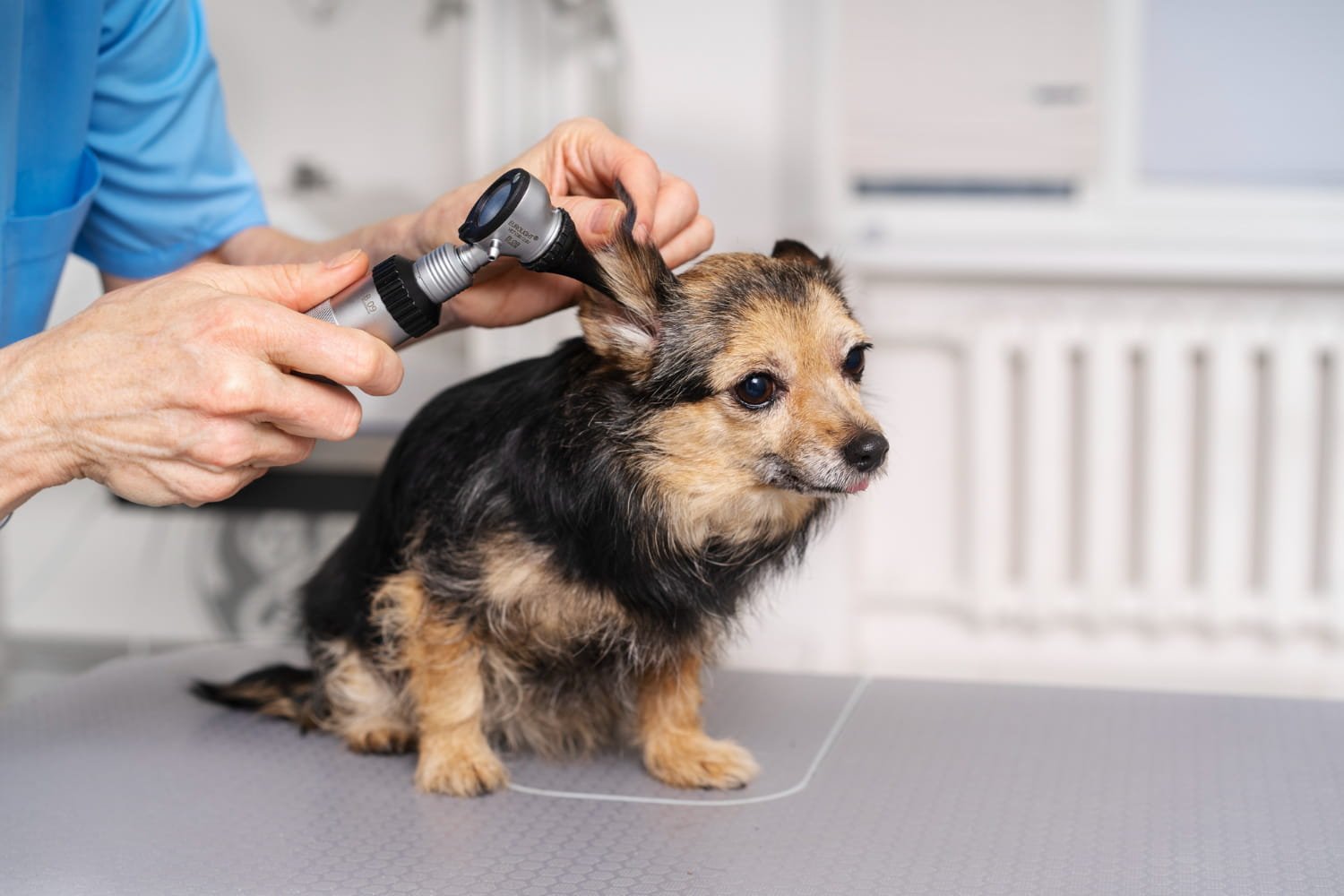
Some products are marketed to support ear health, but supplements should not be used as a substitute for appropriate veterinary evaluation or routine ear care. Persistent odor, discharge, redness, swelling, or irritation can indicate an underlying ear problem that needs veterinary attention.
Key Ingredients to Look For
If you are considering a grooming supplement, understanding the ingredients can help you choose wisely.
D-Biotin (Vitamin B7): Biotin is involved in normal skin and coat function, but supplementation is not automatically necessary for dogs receiving an adequate diet.
Omega-3 Fatty Acids: EPA and DHA are important fatty acids that have been studied for their potential effects on inflammation and skin health. Evidence and benefits can vary depending on the condition, dose, and product.
Omega-6 Fatty Acids: Omega-6 fatty acids are important components of normal skin function and are commonly supplied through a complete diet.
Zinc: Zinc is an essential mineral involved in normal skin and immune function, but supplementation should be appropriate to the dog’s nutritional needs because excessive intake can also be harmful.
B-Complex Vitamins: B vitamins have important roles in normal metabolism and other physiological functions. Dogs eating a complete and balanced diet generally obtain the required amounts from their food.
Prebiotics and Probiotics: These ingredients can affect the gut microbiome, but evidence for specific benefits varies by strain, product, and health condition. Product quality and efficacy can also vary.
When Grooming Supplements May Help
For Excessive Shedding: Some nutritional supplements may support normal skin and coat health, but excessive shedding can have many causes. Persistent or unusually heavy shedding should be evaluated by a veterinarian rather than treated with supplements alone.
For Dry, Dull, or Flaky Coat: Some products containing fish oil, linseed oil, or vitamins are marketed to support skin and coat condition, but persistent dryness or flaking should be evaluated for an underlying cause.
For Skin Irritations and Itchiness: Omega-3 fatty acids have been studied for their potential role in supporting skin health, but persistent itching or irritation should be evaluated by a veterinarian because it can have many underlying causes.
During Seasonal Coat Changes: Many dogs experience increased shedding during seasonal coat changes. Increased shedding during these periods can be normal, although unusually heavy or persistent shedding should be discussed with a veterinarian.
What to Watch Out For
Results vary
The time needed to assess a supplement depends on the ingredient, product, intended use, and the individual dog. Follow the product’s directions and your veterinarian’s advice rather than assuming that every supplement requires the same timeframe.
Not a Substitute for Veterinary Care
If your dog has persistent skin issues, excessive shedding, or dental problems, consult your veterinarian. Supplements are designed to support health, not replace medical treatment.
Ingredient Quality Matters
Not all supplements are created equal. Look for clearly listed ingredients, appropriate dosing information, manufacturer details, and quality-control or testing information where available.
Dosage Matters
Follow the product’s labeled dosage, which may vary according to the dog’s weight, age, formulation, and intended use. Do not assume that the dosage of one supplement applies to another.
Pro Tip: Start with One Supplement at a Time
If you decide to try a grooming supplement, follow the product directions and monitor your dog’s response. Starting with one product at a time can make it easier to identify how your dog responds. Keep a simple log of changes such as shedding, coat condition, or skin symptoms so you can track whether anything changes over time.
Frequently Asked Questions
Do grooming supplements really work?
Some dogs may benefit from specific supplements when there is an appropriate nutritional or medical reason for their use, but results vary considerably. Evidence is stronger for some ingredients and conditions than others, so a supplement should not be assumed to improve coat quality or shedding simply because it is marketed for that purpose.
How long does it take to see results?
The timeframe varies depending on the ingredient, product, intended use, and individual dog. Follow the product’s directions and your veterinarian’s advice rather than assuming that every supplement will produce noticeable results within the same timeframe.
Are grooming supplements safe for all dogs?
Safety depends on the specific product, ingredients, dose, and the individual dog. Follow the label directions and consult your veterinarian before starting a supplement, particularly if your dog is young, pregnant, nursing, taking medication, or has an underlying health condition.
Can grooming supplements help with dental health?
Some dental supplements contain ingredients such as algae-derived compounds, minerals, or probiotics and are marketed for plaque, tartar, or bad breath. Evidence varies by ingredient and product, so look for products with clearly described ingredients and credible evidence for the specific use. They should complement, not replace, regular dental care.
Final Thoughts
The shift toward daily grooming supplements reflects a broader trend: pet owners are thinking more holistically about their dogs’ health. Grooming involves more than baths and brushing; skin, coat, nutrition, and overall health can all play a role in a dog’s appearance and well-being.
Whether a supplement is right for your dog depends on your dog’s specific needs, your budget, and your willingness to commit to consistent use over time. Start by identifying your primary concern — shedding, skin health, dental care — and choose a product whose ingredients have credible evidence for the specific purpose you are considering.
As with any addition to your dog’s routine, it is worth having a conversation with your veterinarian. They can help you identify whether a supplement makes sense for your dog and recommend a product that aligns with your dog’s health profile.