It’s a bright summer afternoon, and you’re slathering sunscreen on your arms and face before heading out. Your dog is sitting by the door, tail wagging, ready for that afternoon walk. You grab the leash, step outside, and off you go — but did you think about protecting your dog’s skin the same way you protected your own?
Most dog owners don’t. And that’s completely understandable. We tend to think of fur as nature’s perfect armor against the sun. The reality, however, is a bit more complicated.
Here’s something worth knowing: dogs can absolutely get sunburned, and the consequences can be more serious than a few days of peeling skin. Some dogs face a real risk of developing certain sun-associated skin cancers after prolonged or repeated UV exposure.
The good news? Protecting your dog from sun damage isn’t complicated once you know what you’re looking for.
What Makes a Dog Vulnerable to Sunburn?
Not every dog faces the same level of sun risk. Understanding what makes your specific dog more vulnerable helps you decide how seriously to take sun protection.
Coat Color and Fur Type Matter Most
Coat color, skin pigmentation, and coat coverage all affect a dog’s risk of sun damage. White or lightly pigmented skin generally provides less natural protection against UV radiation, especially where the coat is thin or absent.
Short-haired breeds face higher risk too. Dogs with thin coats or minimal hair coverage — like Dalmatians, Boxers, and Greyhounds — have more exposed skin and can be particularly vulnerable to sunburn during prolonged or intense sun exposure.
Pink Skin and Light Noses Are Warning Signs
Take a close look at your dog’s nose, ears, and the skin around their eyes. If you notice pink or lightly pigmented areas, those spots are particularly vulnerable. Dogs with pink noses or pale ear tips often develop redness and peeling after prolonged sun exposure, especially during peak daylight hours.
Hairless and Thin-Coated Breeds Face Higher Risk
Breeds like the Chinese Crested, Xoloitzcuintli, and American Hairless Terrier have extensive areas of exposed skin that are highly susceptible to sun damage. These dogs may need sun protection whenever they are exposed to strong sunlight, including outside the summer months.
Pre-Existing Conditions Can Increase Risk
Dogs with certain medical conditions may be more susceptible to sun-related skin problems. Some conditions can leave areas of skin inflamed, hairless, or otherwise more exposed, while certain disorders can make the skin more sensitive to sunlight. Dogs with shaved areas after surgery or medical treatment may also have temporarily reduced protection from their coat.
Which Body Parts Are Most at Risk?
Sunburn on dogs doesn’t happen uniformly across their body. Certain areas consistently show damage first, and knowing these spots helps you check more effectively.
The Belly and Inner Thighs
These areas can have less hair coverage and may receive direct sunlight when a dog lies on its back or side, particularly on light-colored or reflective surfaces. A dog sunbathing belly-up might feel great at the moment, but that exposed pink skin can burn surprisingly fast.
Ears — Especially Tips and Edges
Ears stick up and catch direct sunlight from above. In light-colored dogs with upright ears, the tips often show the earliest signs of burning — redness, warmth, and eventually peeling or crustiness.
The Nose and Around the Eyes
The nose can receive substantial sun exposure during outdoor activities. Flat-faced breeds like Bulldogs and Pugs have even more exposed skin around their noses and faces, making them particularly vulnerable to UV damage.
Shaved or Thin-Coat Areas
Any area recently shaved for grooming or surgery has substantially less protection from the coat and may be more vulnerable to sunlight until the hair grows back.
Signs Your Dog Has Sunburn — What to Look For
Dogs can’t tell you their skin is stinging or tender, so you need to recognize the visual and behavioral signs of sunburn. Signs of sunburn can become noticeable after exposure and may become more apparent over the following day or two.
Redness and Pink Skin That Looks Irritated
A common sign is skin that appears red, pink, or inflamed in areas that were exposed to direct sun. This is easiest to spot on the belly, inner ears, nose, and other sparsely furred areas.
Skin That Feels Warm to the Touch
Gently feel the affected area. Sunburned skin often feels noticeably warmer than surrounding healthy skin. If your dog flinches or pulls away when you touch a particular spot, that sensitivity is a strong clue.
Peeling, Flaking, or Crusty Skin
After a day or two, burned skin may start to peel or form small crusts. This is the skin’s natural healing process, but it can be uncomfortable for your dog. Resist the urge to pick at peeling skin — let it shed naturally.
Behavioral Changes
A sunburned dog might show subtle signs of discomfort. You may notice:
- Reluctance to be touched in certain areas
- Excessive licking or biting at a specific spot
- Restlessness or difficulty settling down
- Whining or other signs of distress when outside
Blistering or Open Sores (Severe Cases)
In extreme cases, sunburn can cause blisters, open sores, or weeping patches. These require prompt veterinary attention to prevent infection and manage pain.
The Hidden Danger: Skin Cancer in Dogs
Sunburn isn’t just a short-term discomfort issue. Repeated UV exposure increases the risk of certain skin cancers in dogs, just as it does in humans.
Types of Skin Cancer Linked to Sun Exposure
Squamous cell carcinoma is one important sun-associated skin cancer in dogs. It can develop in sparsely haired, lightly pigmented areas that receive prolonged sun exposure, particularly on the underside of the body. These tumors can be locally invasive and require veterinary evaluation.
Other skin tumors can also be associated with chronic solar injury, including certain cutaneous vascular tumors. The exact risk varies by tumor type, breed, pigmentation, and individual exposure. If you notice a new or changing lesion on sun-exposed skin, have your veterinarian examine it rather than assuming it is simply sunburn.
Early Detection Saves Lives
Having suspicious growths checked early can help your veterinarian determine what they are and whether further testing or treatment is needed.
- Any new lump, bump, or raised area
- Sores that don’t heal within a few days
- Changes in the color or size of existing spots
- Bleeding or oozing from a skin lesion
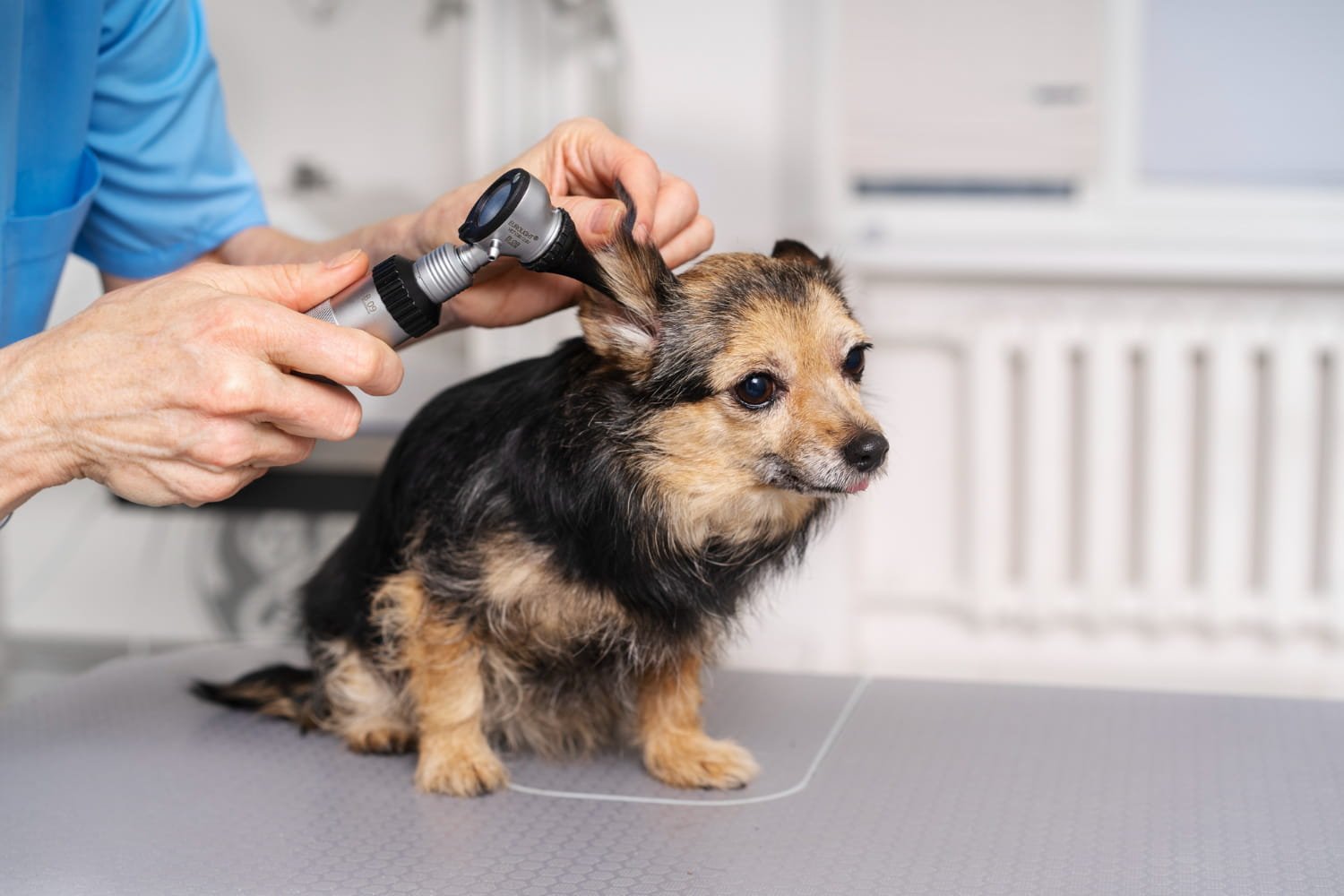
If you notice anything concerning, schedule a veterinary visit. Your vet can examine the area and determine whether further testing is needed.
How to Protect Your Dog from Sunburn
The best treatment is prevention, and protecting your dog from sun damage is straightforward once you know your options. Here’s a practical approach that works for most households.
Provide Shade During Peak Hours
This is the simplest and most effective prevention method. During periods of strongest sunlight, keep your dog indoors or in well-shaded areas when practical. In many settings, this is particularly important around the middle of the day.
If your dog loves spending time in the yard, ensure there’s a shaded spot they can access easily — a covered porch, a tree, or a shade sail works well. Keep in mind that shade patterns change throughout the day, so check that the shade actually stays in place during those peak hours.
Use Dog-Safe Sunscreen (Yes, It Exists)
Some human sunscreens contain ingredients that can be harmful to dogs if ingested, particularly zinc oxide and para-aminobenzoic acid (PABA). Because dogs may lick sunscreen from their skin, don’t apply a human sunscreen to your dog unless your veterinarian specifically recommends a particular product.
Instead, choose a sunscreen specifically formulated for dogs and follow the product’s directions. These products are intended for canine use, but dogs can still lick sunscreen from their skin, so application should be limited to appropriate exposed areas.
Avoid shaving a double-coated dog simply to reduce sun exposure. A double coat provides protection from the environment, and shaving isn’t a substitute for sensible sun management. If a dog has been shaved for a medical procedure, treat the exposed area as more vulnerable to sunlight until the coat grows back.
Consider UV-Protective Clothing
For highly vulnerable dogs, sun-protective clothing offers reliable coverage. Lightweight, breathable shirts or vests with UPF (Ultraviolet Protection Factor) ratings provide a physical barrier without overheating your dog.
These garments are particularly useful for hairless breeds, dogs with shaved areas, or dogs with a history of sun sensitivity. Look for products specifically designed for dogs that allow full range of motion and don’t cause overheating.
Use Window Film for Indoor Sun Exposure
Dogs who spend time near sunny windows can still accumulate UV exposure over time. Applying UV-blocking window film to windows where your dog lounges reduces this risk.
Adjust Walk Times
If your daily dog walk typically happens at midday, consider shifting it to early morning or late evening when the sun is lower, and UV intensity decreases. Not only does this reduce sun exposure, but it also makes walks more comfortable for both of you in hot weather.
First Aid for a Sunburned Dog
Despite your best efforts, sunburn can still happen. Here’s how to respond if your dog shows signs of burning.
Cool the Affected Area
Apply a cool (not cold) compress to the sunburned skin for a few minutes at a time. This reduces discomfort and helps bring down inflammation. Never use ice directly on the skin, as it can cause additional tissue damage.
Soothe the Affected Skin Carefully
Ask your veterinarian before applying topical products to a sunburned dog. A cool compress may help soothe mild discomfort, but avoid applying human skincare products or products containing ingredients that could be harmful if licked. More significant burns, blistering, open sores, or obvious pain should be evaluated by a veterinarian.
Prevent Further Licking and Scratching
Your dog will naturally want to lick or scratch at the uncomfortable area. This can delay healing and introduce bacteria. An Elizabethan collar (cone) may be necessary if your dog won’t leave the spot alone.
When to Call the Vet
Contact your veterinarian if:
- The burn covers a large area
- You see blisters or open sores
- Your dog seems in significant pain
- The skin becomes infected (increased redness, discharge, odor)
- Your dog shows signs of systemic illness — lethargy, fever, loss of appetite
Common Mistakes Dog Owners Make with Sun Protection
Avoid these pitfalls when protecting your dog from sun damage.
Applying Human Sunscreen
This is the most common and potentially dangerous mistake. Human sunscreens contain ingredients that can cause gastrointestinal distress, vomiting, and diarrhea when licked off. Zinc oxide specifically can cause serious illness in dogs.
Forgetting About Reapplication
Dog sunscreens, like human ones, wear off or wash away. If you apply it once at the start of the day and forget about it, your dog may have hours of unprotected exposure. Reapply according to the product’s instructions, especially after swimming.
Relying Solely on Shade
Shade reduces direct sunlight exposure, but reflected UV radiation can still reach exposed skin, particularly around reflective surfaces such as water or light-colored ground. This is why sunscreen or protective clothing is still valuable even in shaded areas.
Overlooking the Inside of the House
Dogs who regularly spend long periods in direct sunlight near windows may still receive UV exposure. If your dog has a favorite sunny spot, consider moving their bed away from prolonged direct sun or using appropriate UV-blocking window treatments.
Pro Tip: Start Sun Protection Early in Your Dog’s Life
Sun damage is cumulative. A dog who never experiences obvious sunburn can still develop skin changes from years of moderate exposure. Starting sun-safe habits when your dog is young reduces lifetime risk. Even if you’ve never seen your dog get red or irritated, protecting vulnerable areas during peak sun hours is a smart, low-effort way to reduce long-term risk.
When Sun Exposure Is Actually Good for Your Dog
Not all sun exposure is harmful, and we shouldn’t swing entirely to the other extreme.
Sunlight isn’t something you need to eliminate completely. Outdoor time can provide exercise, environmental enrichment, and normal exposure to daylight, but dogs still need protection from excessive UV exposure.
For most dogs, a normal outdoor routine with reasonable precautions (shade access, avoiding peak hours, protecting vulnerable areas) provides the benefits of outdoor time without the serious risks of overexposure.
Frequently Asked Questions
Can dogs with dark fur still get sunburned?
Yes, though less frequently than light-colored dogs. Dark fur provides more UV protection, but areas with thin fur, shaved patches, or exposed skin like the nose and belly remain vulnerable regardless of coat color.
What SPF should I look for in dog sunscreen?
If your veterinarian recommends sunscreen for your dog, choose a product specifically formulated for dogs and follow its label directions. The SPF and application instructions can vary by product. Avoid products containing zinc oxide or PABA unless your veterinarian specifically advises otherwise.
How soon after sun exposure will I notice a sunburn on my dog?
Redness and warmth typically develop within a few hours of exposure. Peeling or crusting may appear one to three days later. If you suspect your dog has been overexposed, check those vulnerable areas the same evening and again the next day.
Are certain dog breeds more prone to sun damage?
Yes. Hairless breeds, white-coated breeds (Dalmatians, Boxers, Bull Terriers), and breeds with pink noses or light ear tips face higher risk. Flat-faced breeds like Pugs and Bulldogs also have more exposed facial skin, a point the American Kennel Club highlights when discussing which dogs face higher sun-damage risk.
Can sunburn cause permanent damage to my dog’s skin?
Repeated sunburn can cause chronic skin changes, premature aging of the skin, and increased cancer risk. A single moderate sunburn typically heals without permanent damage, but it’s the cumulative exposure over years that leads to serious problems.
Final Thoughts
The question isn’t whether dogs can get sunburned — they absolutely can. The real question is whether we’re paying enough attention to reduce their exposure to a risk that can often be prevented or limited.
A few small habits can make a meaningful difference: checking for pink skin on vulnerable areas, scheduling walks outside peak sun hours, providing reliable shade, and using dog-safe sunscreen when needed. These aren’t complicated changes, but they add up to genuine protection over the lifetime of your dog.
Your dog trusts you to keep them safe, and sun protection is one of those quiet, easy ways to honor that trust. It doesn’t take much effort, and the payoff — better protection for vulnerable skin and more comfortable summers — can make a meaningful difference over your dog’s lifetime.