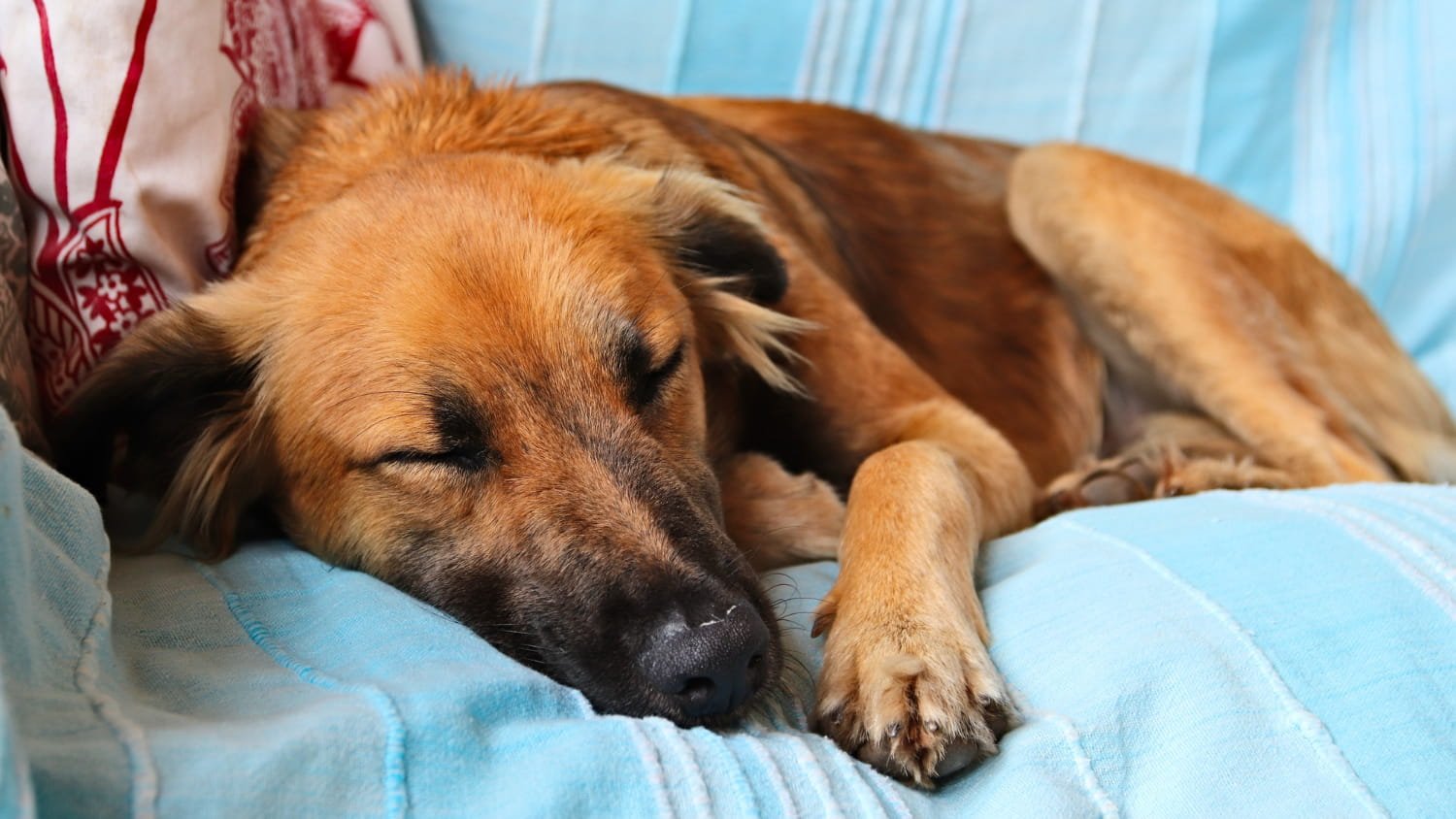
Here’s something most pet parents don’t realize until much later than they’d like: pets are remarkably good at hiding pain. It’s an old survival instinct — in the wild, showing weakness can make an animal more vulnerable — and it doesn’t disappear just because your dog sleeps comfortably at home instead of living in the wild. Dog owners can overlook chronic pain for months, sometimes longer, mistaking it for “just getting older” instead of recognizing that an underlying health problem may need veterinary attention.
Recognizing the quiet signs early can help pet owners discuss possible pain with their veterinarian before discomfort becomes more difficult to manage.
Why Chronic Pain Often Goes Undetected
Unlike an acute injury — a yelp after stepping wrong, an obvious limp — chronic pain builds gradually. There’s no single dramatic moment that tells you something’s wrong. Instead, it shows up as small shifts in behavior that are easy to explain away: a dog who’s “just slowing down” or becoming less active. These changes can seem like normal aging, but they may also be worth discussing with your veterinarian.
Dogs can be good at masking discomfort, and early signs of chronic pain may be subtle. Owners may attribute changes in movement, activity, or behavior to normal aging rather than something worth mentioning at the next veterinary visit.
Subtle Signs to Watch for in Senior Dogs
Dogs may not always show pain through obvious crying or limping. Instead, watch for:
- Slower rising from a lying position or noticeable stiffness after resting
- Reluctance to climb stairs, jump into the car, or get onto furniture
- Shorter walks or reduced interest in normal activities
- Changes in gait, such as favoring one leg or moving more carefully
- Increased irritability or reduced tolerance for handling
- Restlessness, panting at rest, or difficulty finding a comfortable position
- Changes in grooming, appetite, sleep, or normal daily behavior
Any one of these changes may have different possible causes, but noticeable or persistent changes are a reason to discuss your dog’s condition with a veterinarian.
Why Early Recognition of Chronic Pain in Senior Dogs Genuinely Matters
Chronic pain in senior dogs doesn’t just affect comfort — it can also affect behavior, activity, sleep, and the way they interact with their owners. A dog experiencing ongoing discomfort may become withdrawn, irritable, or less interested in interaction, changes that owners may sometimes interpret as a personality shift rather than a physical problem.
According to the 2022 AAHA Pain Management Guidelines for Dogs and Cats, proactive, preemptive pain management is preferred over a reactive approach. The guidelines also emphasize recognizing and addressing chronic pain early as part of an overall plan to support comfort, mobility, and quality of life.
What You Can Do at Home
Track Changes Over Time
Small shifts are hard to notice day to day but obvious over weeks. Keep a simple note on your phone about mobility, appetite, and behavior once a week, so gradual changes become visible instead of blending into the background. Short videos of your dog walking, getting up, or moving around at home can also give your veterinarian useful information about changes in movement.
Adjust the Environment
- Add ramps or steps near beds, couches, and cars to reduce jumping strain
- Use non-slip mats on hardwood or tile floors where footing tends to slip
- Make commonly used areas easier to access if your dog is having difficulty with stairs, slippery floors, or jumping
- Provide orthopedic bedding to reduce pressure on joints during rest
Never Reach for Human Pain Medication
This one is worth repeating clearly: human over-the-counter pain relievers, including ibuprofen and acetaminophen, can be harmful or toxic to dogs, depending on the medication, dose, and circumstances. Do not give your dog human pain medication unless your veterinarian specifically instructs you to do so. Pain management should be discussed with a veterinarian, who can recommend an appropriate approach for your dog.
Benefits and Challenges of Watching for Chronic Pain
Benefits
- Can help owners seek veterinary assessment earlier, which may support better pain management over time
- Helps preserve mobility and muscle strength for longer
- Can help owners notice changes in comfort, mobility, and daily behavior over time
- Strengthens communication with your vet through detailed, specific observations
- Reduces the risk of misreading pain as a behavioral or personality change
Challenges and How to Handle Them
- Subtle signs are genuinely easy to miss in daily life. A simple weekly log, even just a few lines, makes gradual changes far easier to spot than relying on memory alone.
- It’s tempting to assume slowing down is just normal aging. Bring up even minor changes at routine vet visits rather than waiting until symptoms become severe or obvious.
- Multi-pet households make individual monitoring harder. Set aside a few minutes of one-on-one observation time with each pet, particularly your seniors, rather than only noticing the group as a whole.
- Treatment plans sometimes take trial and adjustment. Stay in close contact with your vet during the first few weeks of any new pain management plan, since dosing and approach are often refined over time.
Conclusion
Chronic pain in senior dogs rarely announces itself clearly, which is exactly why paying attention to small, gradual changes matters so much. A dog who jumps a little less or rises a little slower may be showing changes that are easy to dismiss as ordinary aging, but they can also be important clues that an underlying health problem or pain may be present. Watching closely, tracking changes over time, and looping your vet in early can help support your aging companion’s comfort, mobility, and quality of life in their later years.
Frequently Asked Questions
How can I tell the difference between normal aging and actual pain?
Changes that are sometimes attributed to normal aging—such as slower movement, reluctance to jump, or changes in behavior—can also be signs of pain or another health problem in senior dogs. Your veterinarian can help determine what may be causing the change.
Are there tests a vet can run to confirm chronic pain?
Your veterinarian may use a physical examination, your observations about changes in behavior or movement, and diagnostic tests such as imaging when clinically indicated to investigate possible causes of chronic pain.
Can chronic pain in senior dogs be managed without medication?
In many cases, weight management, environmental adjustments, physical therapy, and other non-drug approaches can help alongside veterinary-directed pain management, depending on the underlying cause and your vet’s recommendation.
Is chronic pain more common in certain breeds?
Some dog breeds may have a higher risk of certain joint or musculoskeletal conditions, but chronic pain can affect senior dogs regardless of breed or size.
How often should senior dogs be checked for signs of chronic pain?
Senior dogs generally benefit from veterinary examinations every six months, which can help identify health, mobility, or behavioral changes earlier. The American Animal Hospital Association (AAHA) recommends examinations every six months for senior dogs.