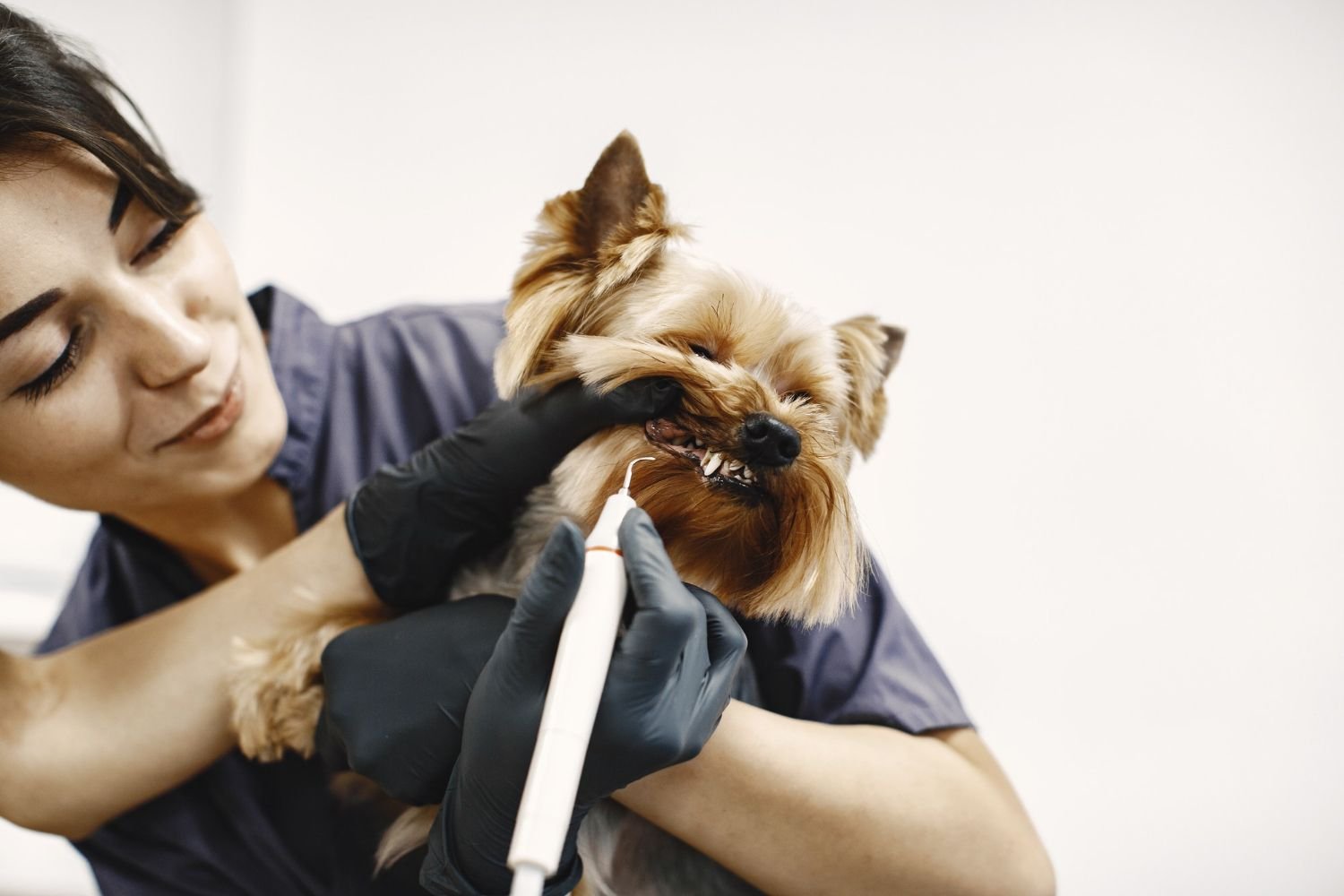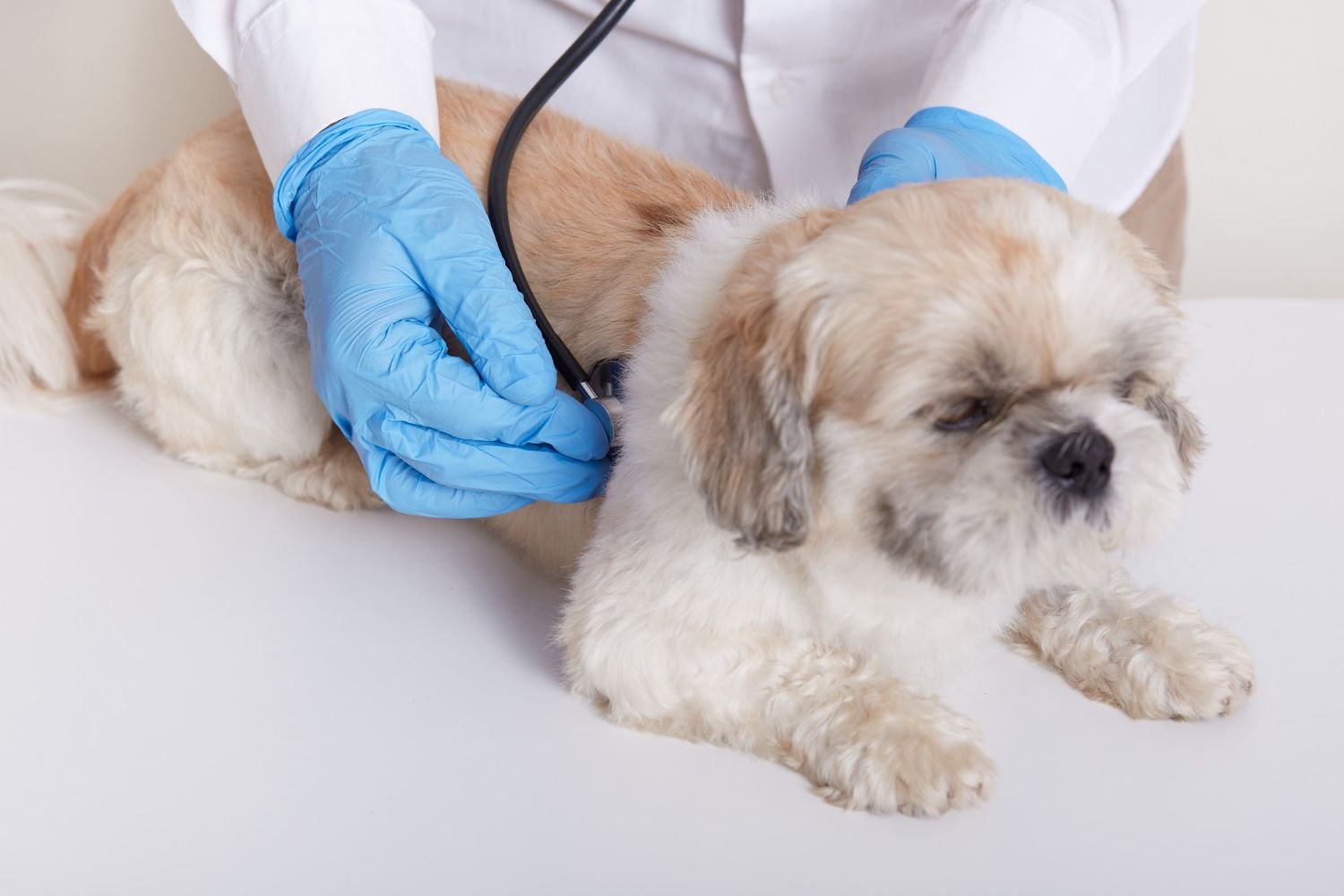
Collars slip off. Tags fall off. ID engravings fade until they’re unreadable. A microchip provides a permanent form of identification that works alongside a collar and ID tag. Unlike a collar or tag, it cannot simply fall off, but it still needs to be registered and kept up to date to help reunite a lost pet with its family. If you’ve been meaning to microchip your companion animal but weren’t sure how the process actually works, here’s everything you need to know, start to finish.
Some pet parents may assume that microchipping a companion animal is complicated, expensive, or risky. In practice, the procedure is generally quick, but registration and keeping contact details current are essential parts of the process.
What a Microchip Actually Is (and Isn’t)
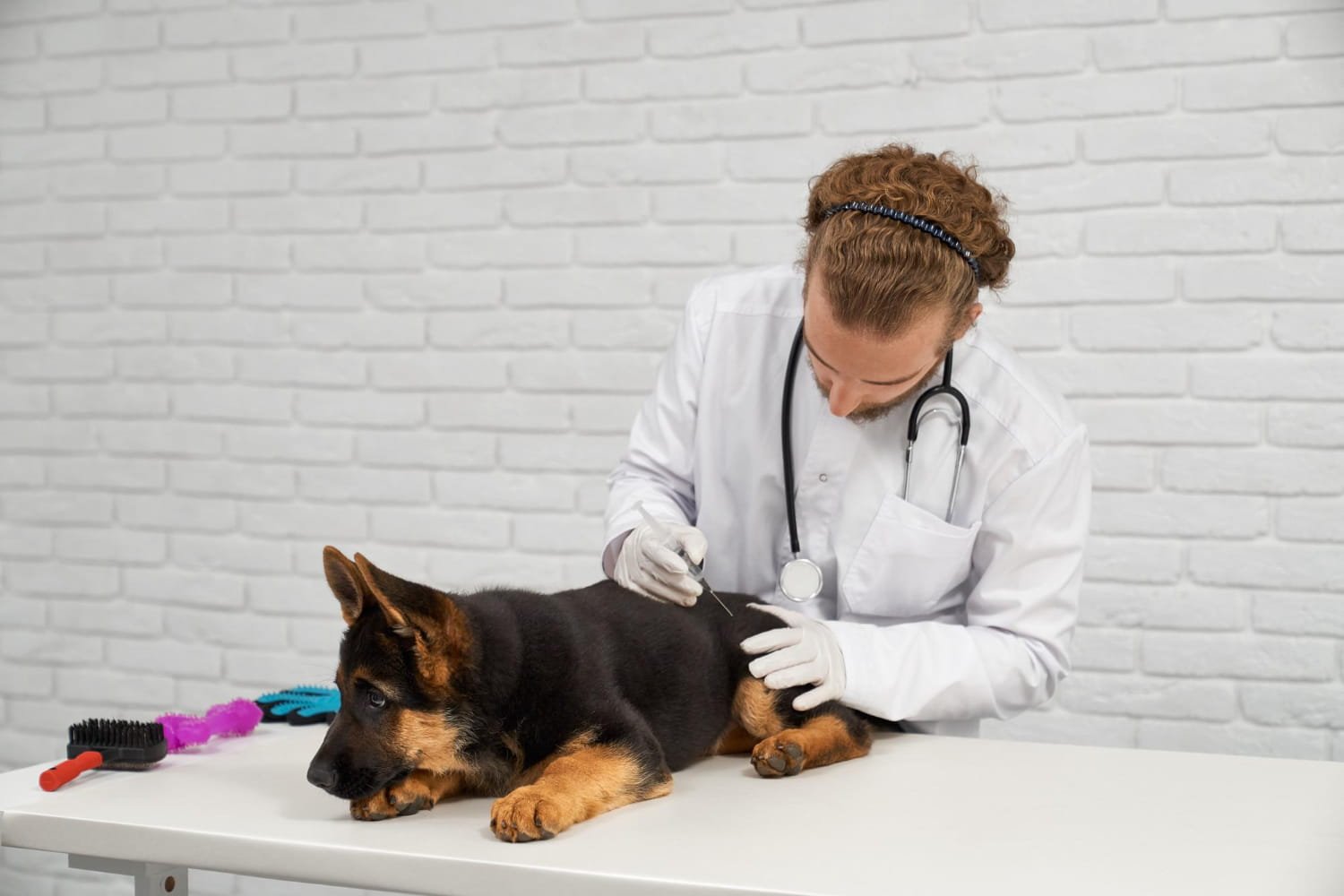
A microchip is a tiny device, roughly the size of a grain of rice, containing a unique identification number. Veterinarians typically implant it under the skin between the shoulder blades, using a needle similar in size to those used for routine injections. There’s no battery, no GPS, and no way to track your pet’s real-time location with it.
When a lost pet is found, a veterinary clinic, shelter, or animal-control facility with a compatible scanner can read the chip’s unique identification number and use it to identify the appropriate pet recovery registry. A microchip provides identification that can help veterinary clinics, shelters, and animal-control facilities identify a lost pet and locate the appropriate registry when the chip is scanned.
Why Microchipping Matters More Than People Assume
Collars and tags are genuinely useful, but they can become lost, damaged, or removed during situations where identification matters most — a pet slipping out of a collar during a storm, a tag falling off during play, or a scared animal bolting after a car accident. Research has found that microchipped dogs and cats can be reunited with their owners at substantially higher rates than animals without microchips. Keeping the registration information accurate is an important part of making the technology useful.
According to the American Veterinary Medical Association (AVMA), dogs with microchips were more than twice as likely to be returned to their owners in a cited shelter study compared with dogs without microchips.
Microchipping your companion animal isn’t about replacing a collar and tag. A microchip provides identification that remains under the skin, while a collar and ID tag provide visible contact information.
The Step-by-Step Microchipping Process
Step One: Schedule the Procedure
Deciding when to microchip your companion animal is usually the easiest part. Veterinarians can perform microchipping during a routine veterinary visit, at a shelter, or sometimes through low-cost community clinics or adoption events. Some shelters and adoption organizations may microchip animals before adoption. Check your adoption paperwork or ask the shelter whether your pet has already been microchipped before arranging the procedure.
Step Two: The Implantation Itself
The procedure involves inserting the microchip under the skin with a needle and may cause brief discomfort, similar to a routine injection. Microchipping can generally be performed by a veterinarian during a routine visit without the need for anesthesia.
Step Three: Registration — An Important Part of the Process
This is an important part of making a microchip useful. Registration connects the chip’s identification number with contact information that can be used if your pet is found.
- Register the chip with the appropriate pet recovery registry as soon as possible after implantation, following the instructions provided by your veterinarian, shelter, or microchip provider. The American Animal Hospital Association (AAHA) provides a Universal Pet Microchip Lookup Tool that can help identify participating registries associated with a microchip number.
- Use an email address and phone number you’ll still have access to years from now
- Add a secondary emergency contact in case you’re unreachable
- Double-check the registration went through by calling the registry or checking online
Step Four: Keep the Information Current
A microchip is only as useful as the information attached to it. If you move, change your phone number, or rehome the pet through a shelter or private arrangement, update the registration immediately. An unregistered or outdated chip can make it much harder for a shelter, veterinary clinic, or animal-control facility to contact a pet’s owner.
Common Myths About Microchipping
Plenty of pet parents hesitate to microchip their companion animal because of misinformation rather than an actual downside. A few myths worth clearing up:
- “It hurts a lot.” Microchipping involves a needle and may cause brief discomfort, similar to a routine injection. Your veterinarian can explain what to expect during the procedure.
- “It lets me track my pet’s location.” Microchips are passive and have no GPS function; they only work when someone scans them in person with the right equipment.
- “It can migrate to dangerous areas of the body.” Microchips can sometimes move from their original implantation site. Your veterinarian can check the chip during routine examinations to confirm that it can still be detected and is in the expected location.
- “Registration happens automatically.” Microchip registration is a separate step that may need to be completed after implantation. Ask your veterinarian, shelter, or microchip provider what registration steps apply to your pet.
Benefits and Challenges of Deciding to Microchip Your Companion Animal
Benefits
- Provides permanent identification that can’t fall off, fade, or get removed accidentally
- Can increase the likelihood of a lost pet being reunited with its family when the chip is registered and the contact information is current
- Works alongside collars and tags rather than replacing the need for basic visible ID
- The chip itself does not require batteries or routine maintenance. However, registration details should be kept current, and your veterinarian can check the chip during routine veterinary visits.
- Can be scanned by veterinary clinics, shelters, and animal-control facilities that have compatible microchip scanners
Challenges and How to Handle Them
- Registration gets forgotten after the appointment. Set a reminder on your phone before you even leave the vet’s office, so it doesn’t slip through the cracks during a busy week.
- Contact information becomes outdated over time. Treat your microchip registry the same way you’d treat updating an address with your bank, and revisit it whenever your details change.
- Cost can be a barrier for some households. Some shelters, veterinary practices, and community organizations may offer low-cost or reduced-cost microchipping services or events, depending on location and availability.
- Some owners assume their pet is already chipped. Ask your vet to scan your pet at the next visit to confirm, rather than relying on memory or old adoption paperwork.
Conclusion
Microchipping your companion animal can provide a long-term form of identification, and the procedure itself is generally straightforward. The real work happens after the appointment, in making sure the registration is complete and the contact information stays current. That small bit of follow-through can make an important difference if your pet is ever lost and someone finds and scans the microchip.
Frequently Asked Questions
At what age can a pet be microchipped?
Puppies and kittens can often be microchipped at a young age, but the appropriate timing can vary. Ask your veterinarian when microchipping is appropriate for your pet and whether it can be done during another scheduled procedure.
Does microchipping hurt my pet?
The procedure involves inserting the microchip with a needle and may cause brief discomfort, similar to a routine injection. Your veterinarian can explain what to expect and how to make the procedure as comfortable as possible for your pet.
How much does microchipping typically cost?
Costs vary by location and provider. Some shelters, veterinary practices, and community organizations may offer microchipping at a reduced cost or as part of an adoption or wellness service.
What happens if I move or change my phone number?
You’ll need to contact or access the appropriate microchip registry and update your contact details according to its process.
Is a microchip a replacement for a collar and ID tag?
No, a microchip works best as a backup to visible identification, since it requires a scanner to read, while a collar tag allows anyone who finds your pet to contact you immediately without needing special equipment.