
A persistent cough after dog daycare can worry any pet owner. Dogs often spend time close to one another at daycare facilities, where respiratory infections can spread through coughing, sneezing, and contact with contaminated objects.
If your dog has developed a cough after attending daycare in Ohio, you may be searching for information about the Ohio Dog Daycare Mystery Cough 2026 Treatment. The important first step is to understand that a cough does not automatically mean your dog has a new or unidentified disease.
Several infections can cause similar respiratory symptoms in dogs. Some cases remain mild, while others may develop complications that require veterinary care. The appropriate treatment depends on the dog’s condition and the underlying cause.
As of October 14, 2026, I could not verify a specific Ohio dog daycare mystery-cough outbreak in the sources reviewed for this article. The Ohio State University previously discussed concerns about mysterious canine respiratory illness in December 2023, but that historical report does not confirm a new Ohio outbreak in 2026. Check current local veterinary and official updates for new information. The Ohio State University
This guide explains the symptoms to watch for, how veterinarians approach diagnosis and treatment, and what owners can do to reduce the risk of spreading respiratory illness.
What Is the Mystery Cough Reported After Dog Daycare?
The term “mystery cough” is an informal description, not a specific veterinary diagnosis. It may refer to a cough whose cause has not yet been identified.
Canine infectious respiratory disease complex, often called CIRDC, describes a group of respiratory illnesses associated with different viruses and bacteria. Dogs with these illnesses can develop coughing, sneezing, nasal discharge, and other respiratory signs. More serious cases may involve pneumonia.
Dogs that attend daycare, boarding facilities, grooming salons, or other group settings may have more opportunities to encounter infectious respiratory agents. However, a cough developing after daycare does not establish where the infection originated or which organism caused it.
Researchers have investigated reports of canine respiratory disease of unknown origin, but a particular cause cannot be assumed for every case. Cornell University’s veterinary team explains that respiratory illness can have a range of presentations and that the cause of some reported cases remains undetermined. Cornell University
Common Symptoms to Watch For
Respiratory infections can look similar at first. Paying attention to your dog’s symptoms, energy level, appetite, and breathing can help you explain the situation to a veterinarian.
Persistent or Honking Cough
Some dogs develop a dry, harsh cough that sounds like a honk. Others may cough repeatedly, gag, or appear to be trying to clear something from their throat.
A honking cough can occur with kennel cough, but its sound alone cannot identify the cause.
Sneezing and Nasal Discharge
Sneezing, a runny nose, and discharge around the eyes can accompany respiratory illness. Note whether the symptoms are becoming more frequent or are accompanied by other changes.
Low Energy or Reduced Appetite
A dog that seems unusually tired, eats less, or shows less interest in normal activities may be feeling unwell. These changes deserve attention, especially when they occur alongside a persistent cough.
Difficult or Rapid Breathing
Breathing that appears unusually difficult or rapid while your dog is resting can indicate a more serious problem.
Seek emergency veterinary care if your dog is struggling to breathe. Do not wait for a cough to improve if breathing is labored or your dog appears severely distressed.
For additional guidance on warning signs, see the AAHA’s information on canine respiratory infections.
How Veterinarians Diagnose a Dog Daycare Cough
A veterinarian will consider your dog’s symptoms, recent exposure to other dogs, medical history, and physical examination findings. The goal is to assess the severity of the illness and determine whether further testing is needed.
Review Recent Daycare Exposure
Tell the veterinarian when your dog last attended daycare and when the cough began. Mention whether the facility has reported similar symptoms in other dogs.
Also explain whether your dog has recently visited a boarding kennel, grooming salon, dog park, or other place where dogs gather.
Examine Your Dog’s Respiratory Health
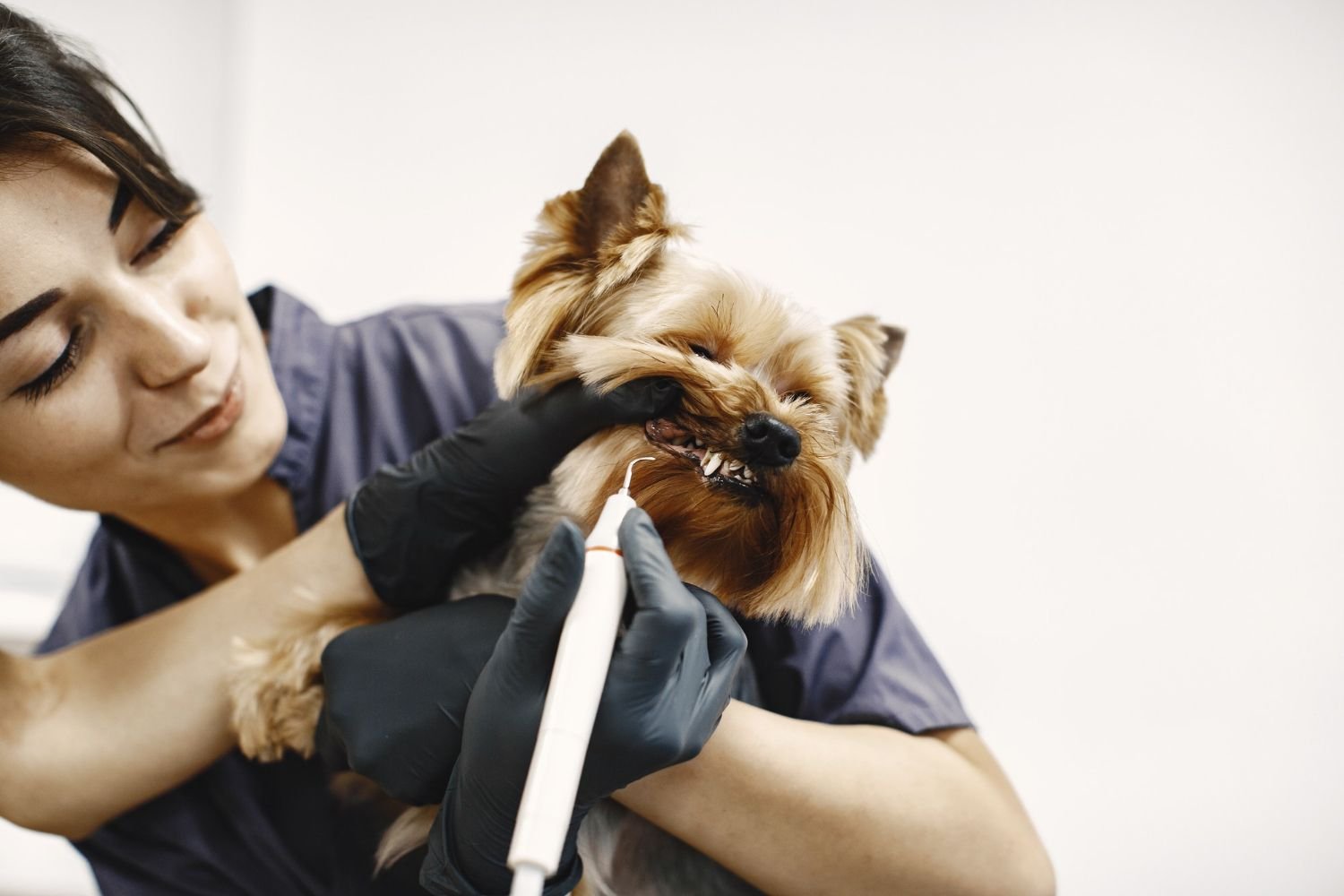
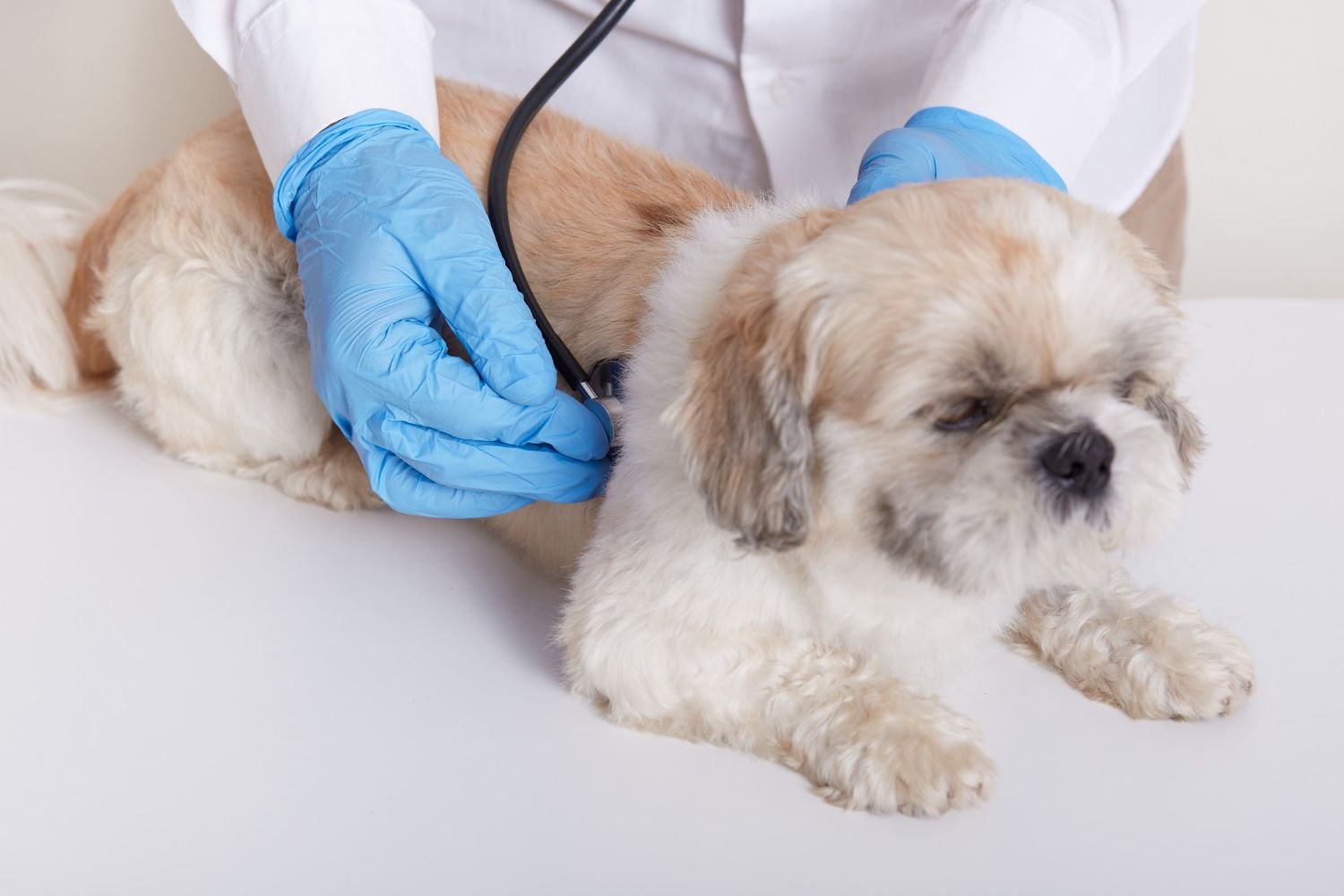
A veterinary examination can help assess breathing, temperature, hydration, and overall condition. The veterinarian may also check for signs suggesting that the illness has affected the lower respiratory tract.
Determine Whether Testing Is Needed
Not every coughing dog needs the same tests. Depending on the symptoms, severity, and suspected cause, a veterinarian may recommend respiratory testing, chest X-rays, or other diagnostic procedures.
Testing can be particularly important when symptoms are severe, persistent, unusual, or associated with suspected pneumonia or a cluster of illnesses.
No single symptom or online description can reliably confirm a mystery respiratory infection. Diagnosis requires assessment of the individual dog.
Ohio Dog Daycare Mystery Cough 2026 Treatment Options
There is no single treatment that applies to every dog with a cough after daycare. The appropriate approach depends on the underlying cause, the severity of symptoms, and whether complications have developed.
Supportive Care for Mild Illness
Some dogs with uncomplicated respiratory infections recover with supportive care. A veterinarian may recommend rest, access to fresh water, and reduced physical activity while the dog recovers.
Keep your dog comfortable and monitor changes in coughing, appetite, energy, and breathing. Follow the veterinarian’s instructions about activity and follow-up care.
Do not assume that every cough is mild simply because your dog is still eating or moving around normally.
Medication When a Veterinarian Recommends It
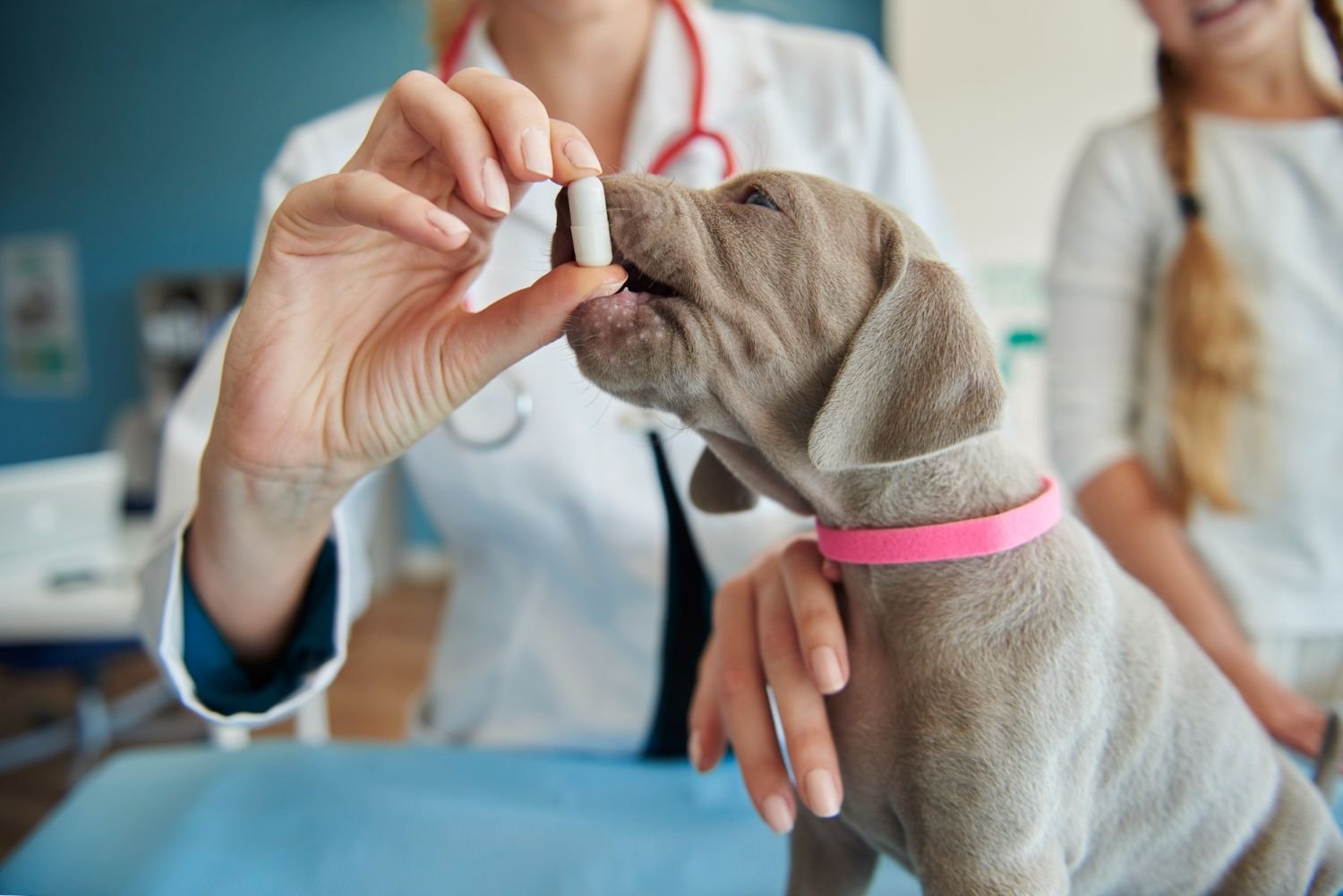
Medication choices depend on the diagnosis. A veterinarian may prescribe an antibiotic when a bacterial infection or secondary bacterial complication is suspected. Antibiotics do not treat viral infections directly, and they are not automatically necessary for every coughing dog.
In selected cases, a veterinarian may recommend medication to manage coughing or other symptoms. The choice depends on the dog’s condition, because suppressing a cough may not be appropriate in every respiratory illness.
Never give human cough medicine, leftover antibiotics, or another pet’s medication without veterinary guidance. Some ingredients can be harmful to dogs, and an unsuitable medication may delay appropriate treatment.
Treatment for Severe Respiratory Disease
Dogs that develop pneumonia, dehydration, or significant breathing problems may require more intensive veterinary care. Depending on the findings, treatment may involve oxygen support, fluids, additional medications, or hospitalization.
These interventions are determined by the veterinary team after examining the dog. There is no verified, specific treatment protocol that can be recommended solely on the basis of the phrase “Ohio dog daycare mystery cough 2026.”
What If the Cough Does Not Improve?
Contact your veterinarian if the cough persists, worsens, or returns after apparent improvement. Also seek advice if your dog becomes unusually tired, stops eating, or develops new symptoms.
Some respiratory illnesses last longer than a typical mild infection. A prolonged or worsening cough may require reassessment to check for complications or another underlying condition.
How to Prevent Respiratory Illness From Spreading
If your dog has respiratory symptoms, taking precautions can help protect other dogs while you seek veterinary advice.
Keep Your Dog Away From Other Dogs
Do not take a coughing dog to daycare, boarding facilities, dog parks, group training, or grooming appointments until your veterinarian advises that it is appropriate to return.
Call the veterinary clinic before visiting if you suspect a contagious respiratory illness. The clinic may have instructions to help limit contact with other animals.
Clean Shared Items
Food bowls, water bowls, toys, bedding, and other shared objects may contribute to the spread of infectious agents. Follow suitable cleaning and disinfection practices, and avoid sharing these items between dogs while illness is suspected.
Wash your hands after handling a sick dog or its belongings.
Discuss Vaccination With Your Veterinarian
Vaccines can help reduce the risk or severity of certain canine respiratory infections, but no vaccine protects against every possible cause of coughing.
Ask your veterinarian which vaccines are appropriate for your dog based on its age, health, vaccination history, and exposure to other dogs.
Ask the Daycare About Reported Illness
If your dog develops a cough after daycare, inform the facility and ask whether other dogs have shown similar signs.
The timing may help identify a possible cluster of cases, but it does not prove that the facility caused the illness. If multiple dogs are affected, the facility and veterinarians can determine what further precautions or investigations may be appropriate.
When Should You Contact a Veterinarian?
Consider your dog’s overall condition rather than judging the illness by the cough alone.
Contact a veterinarian promptly if your dog has a persistent cough, reduced appetite, unusual tiredness, fever, or symptoms that are getting worse. Puppies, older dogs, dogs with existing health problems, and dogs with compromised immune systems may need particular attention.
Seek emergency veterinary care if your dog has difficulty breathing, appears to collapse, or shows severe distress.
When you call, be prepared to explain:
- When the cough started
- When your dog last attended daycare
- Whether other symptoms have appeared
- Whether your dog is eating and drinking normally
- Whether the daycare has reported similar illnesses
This information can help the veterinary team decide how urgently your dog should be assessed.
Frequently Asked Questions
Is there a confirmed Ohio dog daycare mystery cough outbreak in 2026?
I could not verify a specific Ohio dog daycare mystery-cough outbreak in the sources reviewed as of October 14, 2026. Historical reports about canine respiratory illness should not be treated as proof of a current outbreak. Check with your veterinarian and monitor reliable veterinary sources for new information.
What is the best treatment for a dog coughing after daycare?
Treatment depends on the cause and severity of the illness. Some dogs need supportive care, while others may require medication or more intensive treatment. A veterinarian can assess your dog and recommend an appropriate plan.
Can kennel cough spread between dogs at daycare?
Yes. Several canine respiratory infections can spread in settings where dogs gather closely. However, a cough after daycare does not necessarily confirm kennel cough or identify where the infection began.
Should I keep my coughing dog away from other pets?
Yes, avoid contact with other dogs while a contagious respiratory illness is suspected. Contact your veterinarian for guidance on isolation and when it may be appropriate for your dog to return to daycare.
Do antibiotics cure a mystery cough in dogs?
Not necessarily. Antibiotics treat susceptible bacterial infections, but they do not directly treat viral infections. A veterinarian must determine whether antibiotics are appropriate for the dog’s condition.
Can a vaccinated dog still develop a respiratory infection?
Yes. Vaccination protects against certain infectious agents but does not cover every possible cause of canine respiratory illness. Vaccination history is still useful information for your veterinarian.
When is a dog’s cough an emergency?
Difficulty breathing, severe respiratory distress, or collapse requires emergency veterinary care. Do not wait for an appointment if your dog is struggling to breathe.
Final Thoughts
A cough after dog daycare can have several causes, and the term “mystery cough” does not identify a specific disease. Although respiratory illnesses can spread in places where dogs gather, a particular outbreak or cause should not be assumed without reliable evidence.
For anyone researching Ohio Dog Daycare Mystery Cough 2026 Treatment, the most useful next step is to monitor current information, watch for changes in your dog’s condition, and seek veterinary advice when symptoms appear or worsen.
Supportive care may be sufficient for some mild illnesses, while other cases require medication or more intensive treatment. A veterinarian can help determine which approach fits your dog’s symptoms and medical needs.
Until your dog has been assessed and is no longer considered potentially contagious, avoid daycare and other group settings. Reliable information, prompt attention to warning signs, and appropriate veterinary care are more useful than trying an unverified treatment.