You pull out the treat bag, and your dog’s ears perk up. They sit automatically, tail wagging, eyes fixed on you with pure excitement. Training sessions become the highlight of their day — not a chore, not a drill, but something they genuinely look forward to.
What if that wasn’t just a lucky moment? What if a few simple changes could make training more engaging and enjoyable for your dog?
There are. And they’re not about the treats, the tools, or the specific commands you’re teaching.
One approach that can make training more engaging is to add variety and keep sessions fun and rewarding.
Adding variety can help some dogs stay engaged, especially when training is rewarding and appropriately challenging. When training feels enjoyable rather than repetitive, many dogs may be more willing to participate. And when interacting with you becomes highly rewarding, it can help strengthen focus, responsiveness, and engagement.
Let’s break down exactly how to do this.
Why Training Can Become Less Engaging
Most training sessions follow a pattern: cue, response, reward, repeat. This structure is useful when teaching new behaviors, but training can become less engaging for some dogs when sessions rely heavily on repetitive exercises without enough variety or appropriate reinforcement.
Dogs Get Bored Just Like We Do
Imagine practicing the same math problem fifty times in a row. Even if you understand it, your mind starts to wander. Repetition is a normal part of learning, but varying activities and rewards can help keep training sessions engaging.
If training becomes highly repetitive, some dogs may become less engaged. Varying activities, rewards, and interaction can provide additional opportunities for engagement.
The “Cookie Cutter” Problem
When every exercise follows exactly the same pattern, your dog may begin to anticipate the routine rather than actively responding to each cue. Mixing activities, rewards, and opportunities for play can give them more reasons to stay involved.
Engagement Over Obedience
The goal of fun training isn’t just to get behaviors — it’s to build engagement. An engaged dog is more likely to participate willingly and respond to opportunities to interact. They’re not just responding to cues; they may also actively seek rewards, play, or interaction.
The Power of Variety
Variety can help keep training fresh and engaging, while appropriately varying rewards can be useful once behaviors are well learned. The American Kennel Club notes that intermittent and variable reinforcement can help maintain learned behaviors, while consistent reinforcement is useful when teaching new behaviors. Here’s how to apply that distinction in practice.
Variable Rewards Create Stronger Habits
Variable reinforcement can help maintain some behaviors once they are well learned. When teaching a new behavior, however, consistent reinforcement can make the connection between the behavior and its reward clearer. As the behavior becomes reliable, reinforcement can be varied gradually.
Once a behavior is well learned, varying the type or timing of reinforcement can help prevent training from becoming overly dependent on one specific reward. You can vary rewards between treats, toys, play, praise, or other activities your dog finds motivating, while keeping reinforcement appropriate to the behavior and training stage.
Novelty and Variety
Novelty and variety can make training more interesting for some dogs. Introducing new activities, rewards, movements, and environments can provide additional mental stimulation while keeping training engaging.
The Element of Surprise
Variety can give dogs opportunities to respond to different cues, activities, and challenges. They can become more engaged participants rather than simply responding to repeated cues. This kind of mental activity can complement the physical exercise they get from walks.
How to Make Training Fun: Practical Techniques
Variety isn’t just a concept — it’s a set of practical techniques you can apply throughout training.
Technique 1: Mix Up Rewards
Instead of always using the same treat, create a reward buffet. Carry a mix of high-value treats (chicken, cheese, liver) and lower-value ones (kibble, training biscuits). You can vary the reward based on what your dog finds motivating and the difficulty of the behavior.
Sometimes reward with a thrown toy. Sometimes reward with a game of tug. Sometimes reward with five treats in a row. Sometimes reward with just verbal praise and a quick scratch behind the ears.
Varying rewards can add variety to training, while the reward should remain motivating and appropriate for the behavior you’re teaching.
Technique 2: Change the Pace
Training sessions don’t have to be slow and deliberate. Mix up your rhythm:
- Rapid-fire cues: sit, down, sit, touch, spin — all in quick succession
- Slow, deliberate cues: long stays with delayed rewards
- Random movement: start walking, stop suddenly, ask for a sit, run backward, ask for a touch
This variety gives your dog opportunities to practice responding to different cues, movements, and patterns rather than repeating the same exercise throughout the session.
Technique 3: Add Movement
Adding movement can provide variety when training becomes repetitive. Incorporate movement into your sessions:
- Practice “come” and then immediately run the other direction
- Ask for a sit, then take a few steps back before releasing
- Use a target stick or your hand and have your dog follow it around
Movement can make training more playful and gives your dog opportunities to practice responding while moving. You can later practice these skills in everyday situations where appropriate.
Technique 4: Play “Which Hand?”
This simple game can provide a fun opportunity to practice attention and engagement. Hold a treat in one closed fist, present both fists to your dog, and let them choose. When they touch the correct hand, open it and reward.
It’s simple, fun, and gives your dog an opportunity to use their attention and problem-solving skills while working for a reward.
Technique 5: The “Pattern Interruption” Game
Establish a simple pattern — say “sit,” wait for the sit, reward. Repeat a few times. Then break the pattern: ask for something unexpected, reward for a different behavior, or suddenly start running.
A change in the pattern can encourage your dog to pay attention to your next cue rather than simply repeating the same response.
Games That Build Engagement
Training doesn’t have to look like training. These games give your dog opportunities to practice focus, cooperation, and engagement while keeping training playful.
The Name Game
Say your dog’s name once. When they look at you, mark and reward. Practice this randomly throughout the day — during walks, while you’re watching TV, when your dog is resting. With repeated practice and reinforcement, it can encourage your dog to orient toward you when they hear their name.
Hide and Seek
Hide treats around a room and let your dog find them. This gives your dog an opportunity to use their sense of smell and practice searching independently.
For more advanced play, hide yourself and call your dog’s name. When they find you, reward with a party — treats, toys, and excitement.
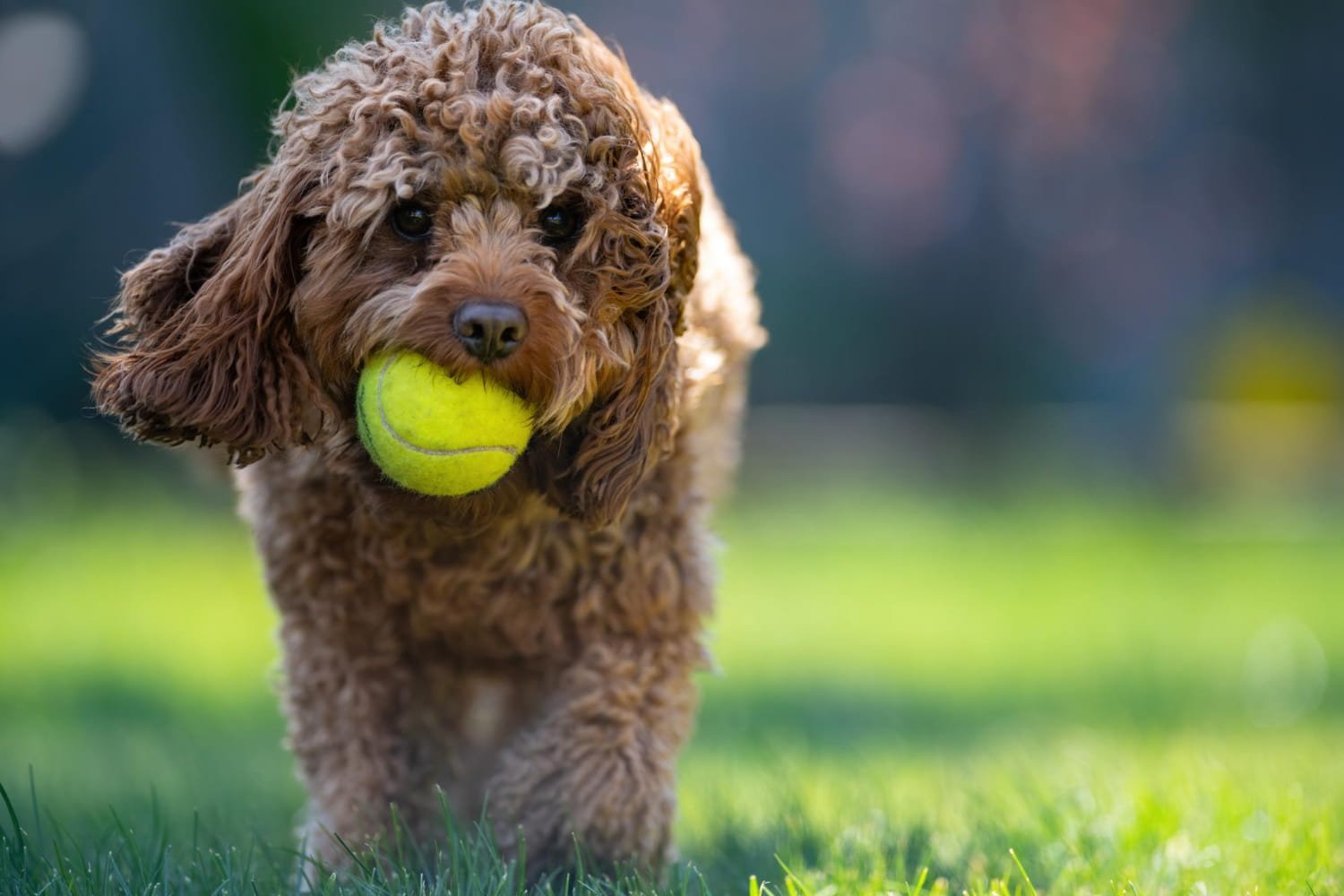
Tug as a Training Reward
Tug can be a highly motivating reward for some dogs. Use it strategically:
- Ask for a sit, then initiate a quick game of tug
- Release the toy, get another behavior, then restart the game
- End the game while it’s still fun — before your dog loses interest
The Cookie Toss
Toss a treat a few feet away and let your dog chase it. When they eat it, call them back — not with a command, just in an excited voice. When they return, toss another treat. This gives your dog repeated opportunities to return to you voluntarily and be rewarded for doing so.
Common Mistakes That Kill Training Fun
Even with the best intentions, it’s easy to fall into patterns that drain the joy out of training.
Mistake 1: Training Too Long
Short, focused sessions are often easier for dogs to stay engaged in than long, repetitive sessions. The ideal length varies by the dog, the behavior, and the training environment. Stop while your dog is still eager.
Mistake 2: Repeating Cues
Repeatedly giving a cue when your dog isn’t responding can reduce the cue’s reliability. Say it once, wait, and if your dog doesn’t respond, reset. Try a different approach — movement, a lure, or a changed environment — rather than repeating the same cue.
Mistake 3: Focusing Only on Obedience
Training isn’t just about sit, stay, and down. Teach your dog tricks, play games, and practice life skills. Variety keeps them excited.
Mistake 4: Forgetting About Yourself
Your behavior and body language can also affect a training session. If you’re frustrated or distracted, your dog may respond differently. Staying calm, engaged, and encouraging can help create a more positive training environment.
Making Training Part of Everyday Life
Training doesn’t have to happen only in scheduled sessions; everyday interactions can also provide useful opportunities to practice behaviors.
Practice in Short Bursts
Ask for a sit before meals. Practice a touch cue before going outside. Do a quick recall game in the backyard. These short practice sessions can add useful repetition without turning training into a long, formal session.
Use Real-World Rewards
Everyday activities can also serve as useful rewards. Let your dog sniff a tree after a good recall. Open the door after a successful wait. Give them access to a favorite toy after a good stay.
End on a Positive Note
Always finish a training session with something your dog enjoys. A few minutes of tug, a high-value treat, or just enthusiastic praise. Ending with something your dog enjoys can help keep training associated with positive experiences.
Pro Tip: Know Your Dog’s Preferred Play Style
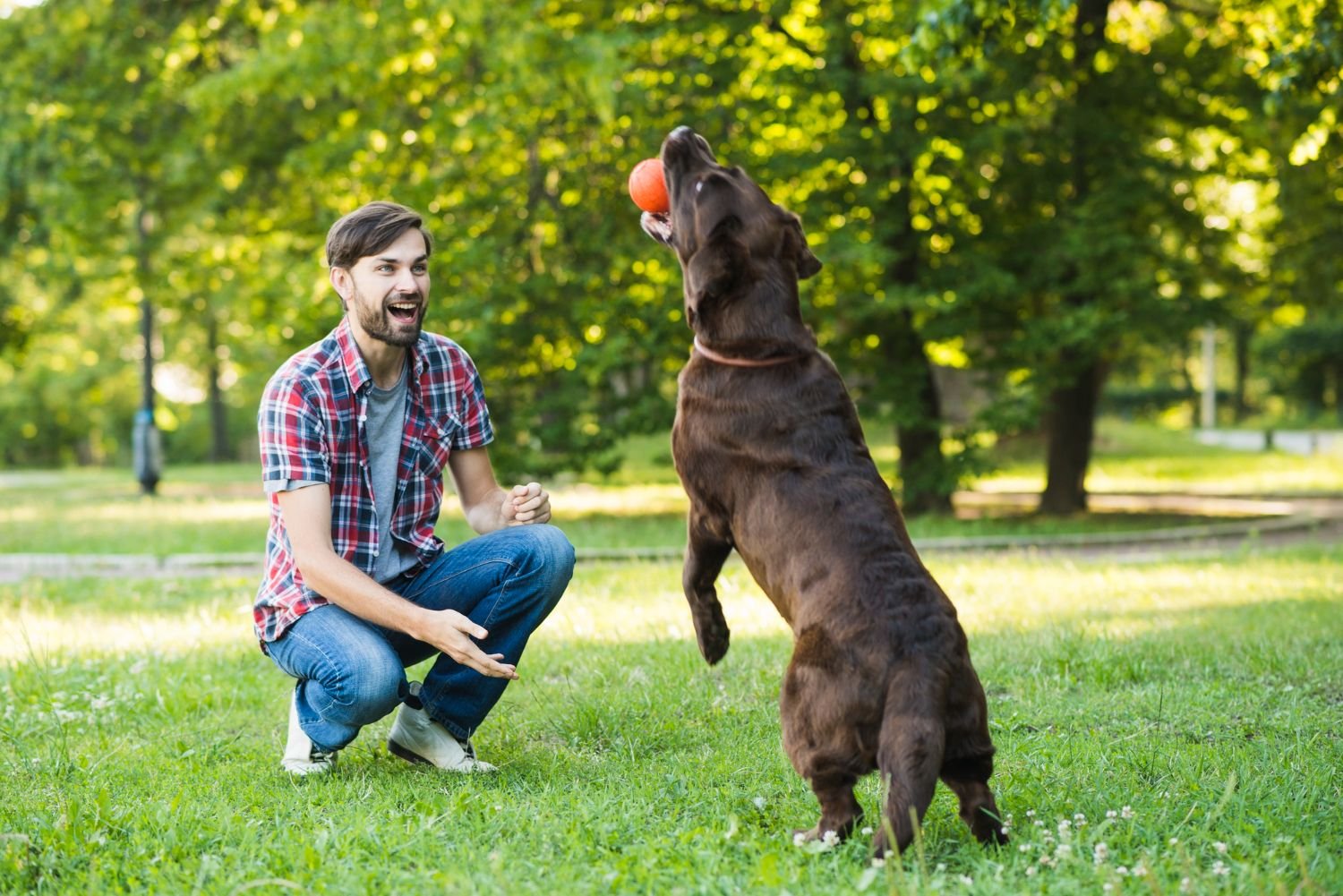
Not every dog loves the same games. Some prefer tug of war. Some prefer chasing a ball. Some love nose work. Some just want enthusiastic praise and affection.
Figure out what your dog genuinely enjoys and make that part of your training. When the reward matches the dog’s preference, engagement follows naturally.
Frequently Asked Questions
How long should a fun training session last?
Five minutes can be a useful starting point, but the ideal session length varies between dogs and situations. Short, focused sessions are often easier to maintain than long, repetitive ones, especially when attention begins to decline. Stop while your dog is still interested.
What if my dog doesn’t like toys as rewards?
Not every dog is toy-motivated, and that’s fine. Use food rewards, praise, or access to activities your dog enjoys — sniffing, running, or playing with a favorite human.
How often should I train?
Regular training is helpful, but it doesn’t have to be formal. Short sessions spread throughout the day — even 1–2 minutes at a time — can provide useful opportunities for practice and reinforcement.
Can I train when my dog seems tired or distracted?
If your dog is too tired or distracted to engage, it’s usually better to reduce the difficulty or wait for a better opportunity. Training should be adjusted to your dog’s ability to focus rather than pushed when they’re struggling.
Will making training fun make my dog less obedient?
Making training enjoyable can support engagement and willingness to participate. Reliability around distractions still requires gradual practice and reinforcement in those environments.
Final Thoughts
Training doesn’t have to be serious, repetitive, or boring. Training can be more effective when your dog is engaged and willing to participate, rather than simply being pushed through repetitive exercises.
One simple way to make training more engaging is to add variety while keeping rewards motivating and training enjoyable. Change rewards, change pace, change location. Add movement. Play games. Let your dog win sometimes. Make interacting with you rewarding, engaging, and worth choosing.
When training is enjoyable and rewarding, it can support engagement and create positive opportunities for interaction between you and your dog. The behaviors you’re teaching can become part of positive, rewarding interactions rather than feeling like a series of rigid commands.
Many dogs are motivated to interact and work with their people when training is rewarding and enjoyable. Keep training rewarding for your dog and enjoyable for both of you.