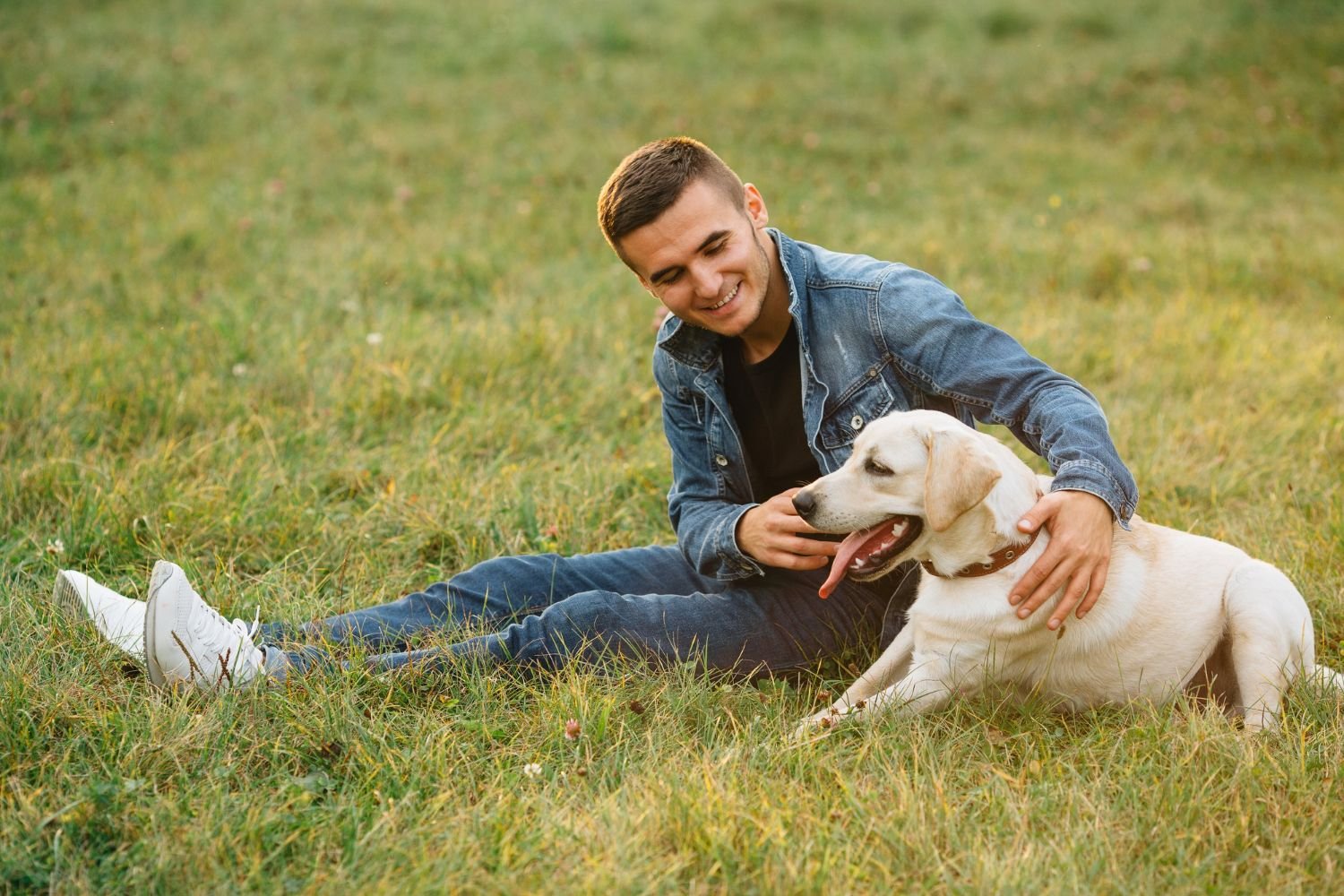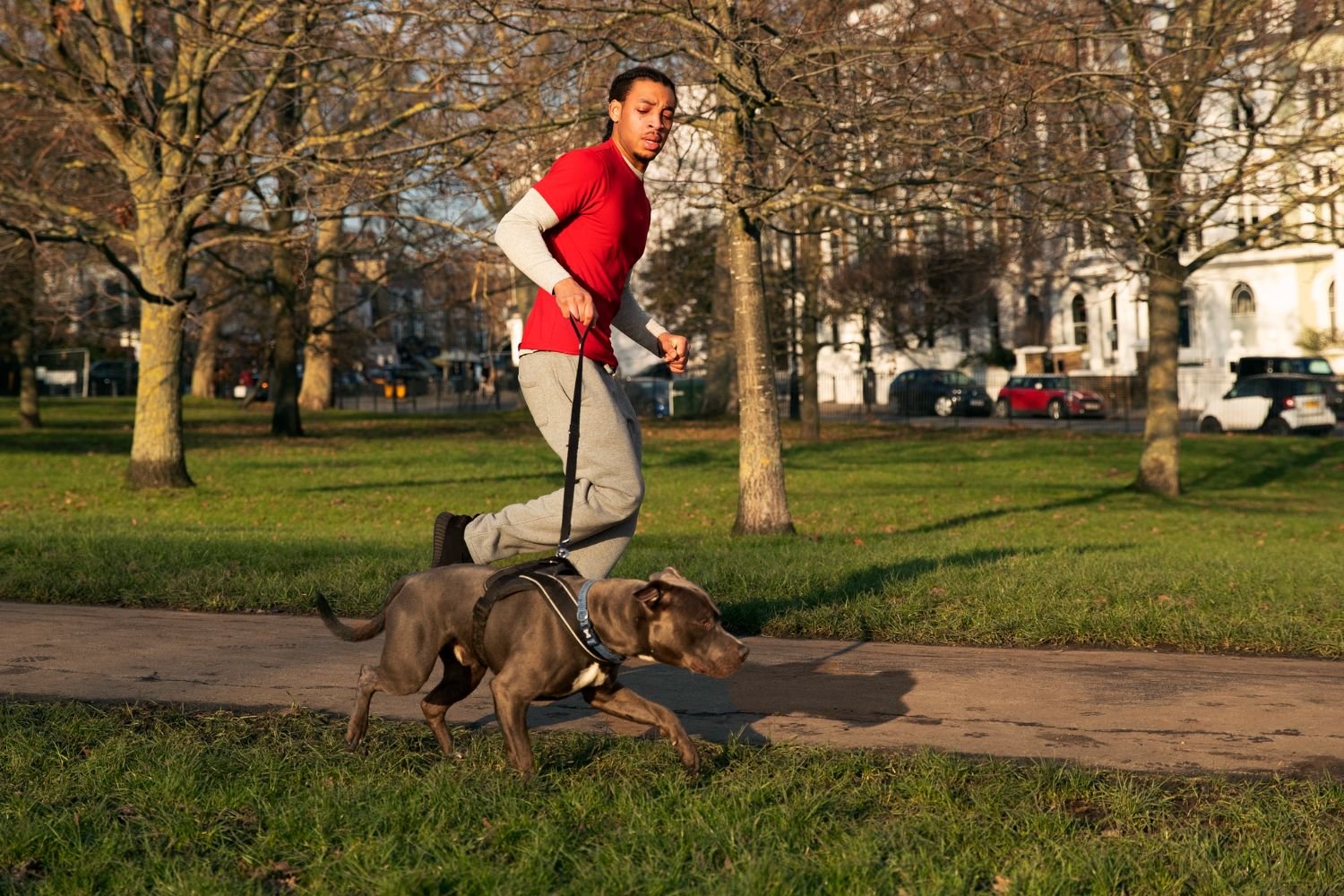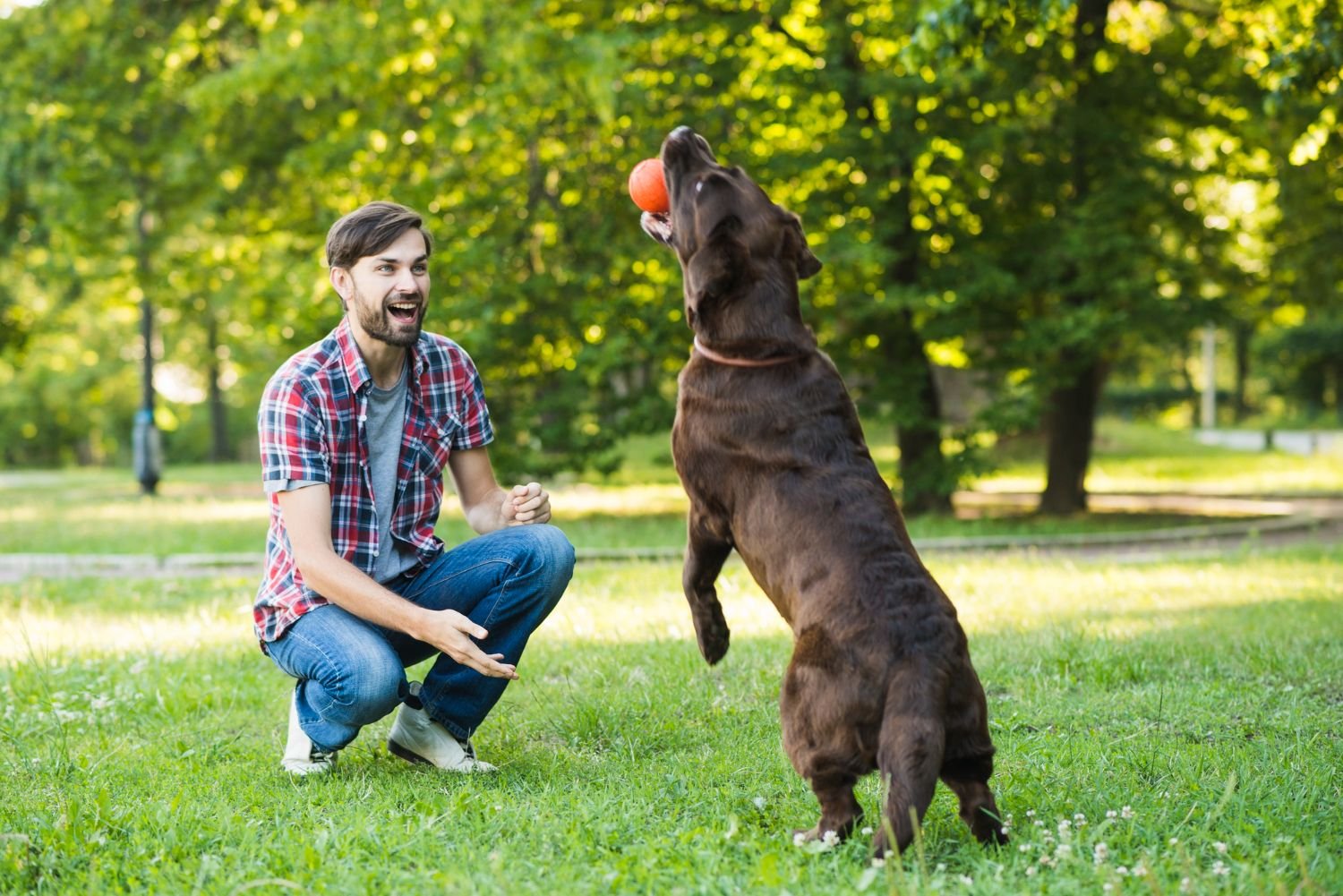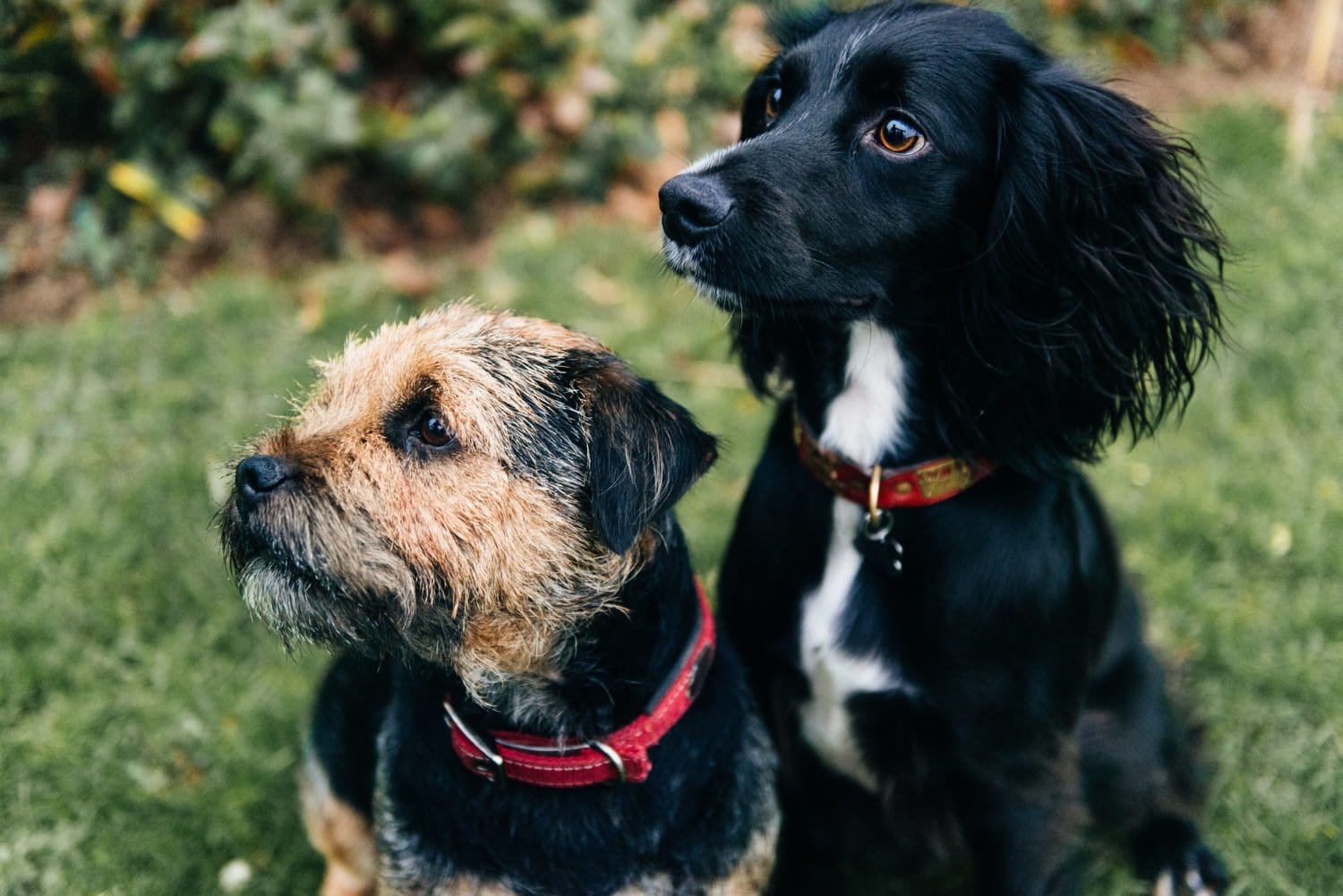

Dogs are talking to us constantly — they just don’t use words to do it. Every ear flick, tail position, and subtle shift in posture is communication, and most of it happens quietly enough that owners miss it entirely. Understanding dog body language isn’t about becoming a professional trainer overnight; it’s about learning to notice the signals that were there all along, so you can respond before a situation escalates instead of after.
Many owners are surprised by how much information a dog can communicate through subtle changes in posture, facial expression, and movement. Once you know what to look for, it’s hard to unsee.
Why Body Language Matters More Than People Realize
Dogs communicate with other dogs and people through body posture, facial expressions, tail and ear positions, vocalizations, scent, and touch. Vocalizations like barking matter too, but posture, facial expression, and movement often tell a fuller story than sound alone. Missing these cues doesn’t just mean missed communication — it can mean missing early warning signs of stress, fear, or discomfort before they turn into something more serious, like a bite.
Learning to read these signals genuinely changes the relationship. Instead of reacting to a growl or a snap after the fact, understanding dog body language lets you catch the stiff posture or the whale eye that came several steps before it.
Tail Signals: More Complicated Than “Wagging Means Happy”
The wagging tail myth is probably the most common misread in dog communication. A wagging tail does not automatically mean a dog is happy or friendly. Tail movement can occur during different emotional states, so the tail’s height, speed, stiffness, and movement should be interpreted alongside the rest of the dog’s body language and the surrounding situation. The American Kennel Club (AKC) notes that tail position and movement speed together provide more accurate context than the wag alone.
- Loose, wide wag at mid-height: Generally relaxed and friendly
- High, stiff, fast wag: Can occur with heightened arousal or tension; interpret it alongside the dog’s posture, facial expression, and situation
- Low wag, tucked close to the body: Usually indicates fear, submission, or anxiety
- Tail held straight up, barely moving: Can signal alertness or a warning, especially combined with a stiff body
- Tail tucked completely between the legs: Often associated with fear, anxiety, or significant stress
Context always matters here. The same tail position can mean different things depending on what the rest of the body is doing.
Ears and Eyes: The Details People Miss Most
Ear Position
Relaxed, neutral ears usually mean a relaxed dog. Ears pinned back can occur with fear, discomfort, or uncertainty, while ears held forward can indicate attention or heightened alertness. Their meaning becomes clearer when considered alongside the dog’s eyes, facial expression, posture, and the situation.
Eye Signals
Soft, relaxed eyes with a normal blink rate generally indicate comfort. Watch closely for “whale eye,” where the whites of the eyes become visible, as it can be a useful sign of stress, discomfort, or conflict, especially when it appears alongside other changes in body language.
Full Body Posture: The Bigger Picture
Reading one signal in isolation only tells part of the story, which is exactly why understanding dog body language means looking at the whole dog together.
- Loose, wiggly body with relaxed muscles: Comfortable and at ease
- Stiff, frozen posture: A significant warning sign that can indicate discomfort, tension, or conflict, particularly when accompanied by other concerning signals
- Leaning away or turning the body sideways: A dog trying to create distance, often a polite request to be left alone
- Play bow, front legs down and rear up: Often associated with play and can be an invitation to interact, especially when accompanied by loose, bouncy body language
- Crouched low with weight shifted back: Fear or uncertainty, sometimes preparing to flee
Subtle Stress Signals Most Owners Miss Entirely
Some of the most useful signals are the quiet ones that happen before more obvious stress responses. These include lip licking when no food is present, yawning outside of tiredness, and turning the head or body away from something without fully leaving. According to the American Veterinary Society of Animal Behavior (AVSAB), these subtle calming signals often appear well before a dog resorts to growling or snapping, making them valuable early warnings for anyone paying attention.
Shaking off, as if wet, can occur after an exciting, uncertain, or stressful interaction. When it happens repeatedly in a particular situation, consider it alongside the dog’s other body-language signals rather than treating it as proof of stress. Learning to notice these small cues gives you a real head start on preventing bigger reactions down the line.
Benefits and Challenges of Learning Dog Body Language
Benefits
- Can help reduce the risk of conflicts by helping you notice signs of discomfort or stress earlier
- Builds a deeper, more responsive bond between you and your dog
- Makes introductions to new people, pets, and environments noticeably safer
- Improves training, since you can respond to subtle cues instead of just obvious behavior
- Increases confidence in reading unfamiliar dogs, not just your own
Challenges and How to Handle Them
- Signals can be genuinely subtle and easy to miss at first. Watch slow-motion videos of dog interactions online to train your eye before trying to read live situations in real time.
- Context changes what a signal means. Always look at the whole body and the surrounding situation together, rather than reading a single cue in isolation.
- Breed differences complicate things. Docked tails, cropped ears, or flat faces can make some natural signals harder to read, so extra attention to the rest of the body helps compensate.
- It’s tempting to project human emotions onto dog behavior. Stick to observable signals rather than assuming intent, since a wagging tail interpreted as “guilt” is often actually just stress.
Common Misreadings That Lead to Trouble
Assuming a wagging tail always means a friendly approach is safe is one of the most common and riskiest misreadings, particularly around unfamiliar dogs. Interpreting a stiff, frozen dog as simply calm rather than tense is another frequent mistake, since a completely still dog is often more concerning than an actively moving one. Ignoring lip licking or yawning as random rather than communicative also causes people to miss early opportunities to reduce a dog’s stress before it escalates further.
Conclusion
Understanding dog body language turns a lot of confusing or seemingly random behavior into something genuinely readable. Tails, ears, eyes, and overall posture are constantly sending information, and learning to notice the subtle signals alongside the obvious ones makes you a better, more responsive companion for your dog. The more fluent you become in this silent language, the easier it gets to prevent problems before they start, rather than reacting once they already have.
Frequently Asked Questions
Is a wagging tail always a sign a dog is friendly?
No, a wagging tail does not automatically mean a dog is friendly or happy. Tail movement can occur in different emotional states, so its speed, height, stiffness, and movement should be interpreted alongside the rest of the dog’s body language and the situation.
What is the clearest early sign that a dog is uncomfortable?
Whale eye, where the whites of the eyes become visible, can be a useful sign of discomfort or stress, especially when it appears alongside other changes in body language. Lip licking and yawning can also occur in stressful or uncertain situations, but individual signals should always be interpreted in context.
How can I tell the difference between play and real aggression in dogs?
Play often includes loose, bouncy movements, exaggerated gestures, and pauses, while aggressive behavior can involve stiff posture, a hard stare, tension, vocalization, or other threatening signals. Because body language varies with context, individual signals should not be used to make a definitive judgment on their own.
Do all dog breeds show body language the same way?
Not exactly. Physical traits like docked tails, cropped ears, or flattened faces can make certain signals harder to read, so paying attention to the whole body becomes even more important with these breeds.
Can learning dog body language help with dogs I don’t know?
Yes, learning common canine body-language patterns can help you observe unfamiliar dogs more carefully. However, individual dogs and physical characteristics can affect how signals appear, so avoid assuming that one cue always has the same meaning.