It’s a quiet evening, and your dog is happily chewing on a toy. Then suddenly — a yelp, a limp, or perhaps they’ve gotten into something they shouldn’t have. Your heart races. Your mind goes blank. What do you do first?
Most pet parents aren’t prepared for that moment. And that’s understandable — emergencies are scary, and nobody wants to imagine their dog in distress. But the truth is, knowing what to do in the first few minutes can help you respond safely while you arrange appropriate veterinary care.
Basic first aid isn’t a replacement for veterinary care, but knowing a few safe steps can help protect your dog from further injury and provide temporary support while you’re arranging professional care. Let’s walk through what every dog owner should know before an emergency happens — because when it does, there won’t be time to learn.
When to Use First Aid and When to Rush to the Vet
One of the most important skills is knowing the difference between a minor issue you can manage at home and a true emergency that needs immediate veterinary attention.
Non-Emergency Situations
Some minor, non-life-threatening problems may be suitable for basic first aid while you monitor your dog, but when you’re unsure about the severity of an injury or illness, contact your veterinarian for guidance. Examples may include a small superficial scrape or a single mild episode of vomiting in an otherwise normal dog.
Urgent Situations That Need Immediate Veterinary Care
Not every injury or illness requires a rush to the emergency clinic, but some situations simply cannot wait. Veterinary professionals agree that certain signs should prompt an immediate call to your veterinarian or a trip to the nearest emergency animal hospital.
These include deep or significant wounds and lacerations, especially bite wounds from other animals. Stings that cause marked swelling, severe pain, or other concerning symptoms also warrant prompt veterinary attention. If your dog has ingested something unknown — whether it’s a foreign object, human medication, or a potentially toxic substance — don’t wait for symptoms to appear.
Other red flags include sudden weakness, collapse, or lameness that comes on without an obvious cause. A body temperature of 104°F (40°C) or higher can indicate a serious heat-related emergency, particularly when accompanied by signs such as heavy panting, weakness, disorientation, vomiting, or collapse. Persistent vomiting or diarrhea, especially with blood, requires immediate care. Trouble breathing, seizures, severe bleeding that won’t stop, and any signs of heatstroke — heavy panting, excessive drooling, bright red gums, or disorientation — all need urgent veterinary attention.
The bottom line: If you’re unsure whether your dog needs a vet, err on the side of caution. When in doubt, call your veterinarian and describe the situation — they can help you decide what to do. It’s always better to make that call and be told it’s not serious than to wait and regret it.
Building a Dog First Aid Kit (Before You Need It)
Having a well-stocked first aid kit at home is one of the easiest ways to be proactive. Keep it accessible and check it regularly to replace expired items.
Essential Supplies for Your Kit
According to the American Veterinary Medical Association, here’s what your dog first aid kit should include:
Bandaging and Wound Care:
- Non-adherent wound dressing
- Rolled gauze and sterile gauze pads
- Cohesive bandage wrap
- Adhesive tape
- Bandage scissors with blunt ends
Cleaning and Flushing:
- Sterile saline solution
- Antiseptic wipes
- Disposable gloves
Tools:
- Rectal thermometer and lubricant
- Tweezers
- Dosing syringe or eye dropper
- Styptic powder (for bleeding nails)
- Blunt-ended scissors
Restraints and Safety:
- A properly fitted basket muzzle, if your dog is already accustomed to wearing one and can breathe and pant comfortably. Never muzzle a dog that is having difficulty breathing, vomiting, or struggling to regulate body temperature.
- E-collar (to prevent licking wounds)
- Towels or blankets
- Extra leash
Emergency Contacts:
- Your regular veterinarian’s phone number and address
- 24-hour emergency vet clinic number
- ASPCA Poison Control: 888-426-4435
- Pet Poison Helpline
Important Note on Medications: Never give your dog human medications without veterinary guidance. Some medications that are safe for humans can be dangerous or even fatal for dogs, and they can interfere with what your veterinarian needs to prescribe.
What NOT to Do in a Pet Emergency
Sometimes the most important first aid step is knowing what not to do.
Avoid These Common Mistakes
Never use alcohol or hydrogen peroxide to flush wounds. These can damage healthy tissue, cause pain, and actually slow healing. Stick to sterile saline or clean water.
Don’t give human medications unless instructed. Dr. Christine Rutter, a clinical associate professor of emergency medicine at Texas A&M’s College of Veterinary Medicine, warns: ‘Some medications that you may have at home can interfere with what your veterinarian needs to prescribe, so please don’t administer medications without a veterinarian’s direct supervision.’
Don’t force food or water into a struggling dog. This can cause choking or aspiration.
Don’t delay veterinary care for serious symptoms. If your dog is showing signs of a genuine emergency, first aid is only a temporary measure — getting to a veterinarian quickly is the priority.
Don’t use ice directly on injuries. For heatstroke, use cool (not ice-cold) water. Ice can constrict blood vessels and worsen tissue damage.
First Aid Steps for Common Dog Emergencies
Here’s what to do in some of the most common emergency situations. Remember, these steps are temporary measures to stabilize your dog until you reach a veterinarian.
Wounds and Cuts
Before anything else: Protect yourself. Any injured dog may bite out of fear or pain. Use a muzzle or E-collar if possible, and approach slowly and calmly.
Step-by-step for minor wounds:
- Gently rinse the wound with sterile saline or clean water
- If the debris is loose and easily accessible, gently remove it with clean tweezers. Do not dig into the wound or attempt to remove deeply embedded material.
- Apply light pressure if there’s mild bleeding
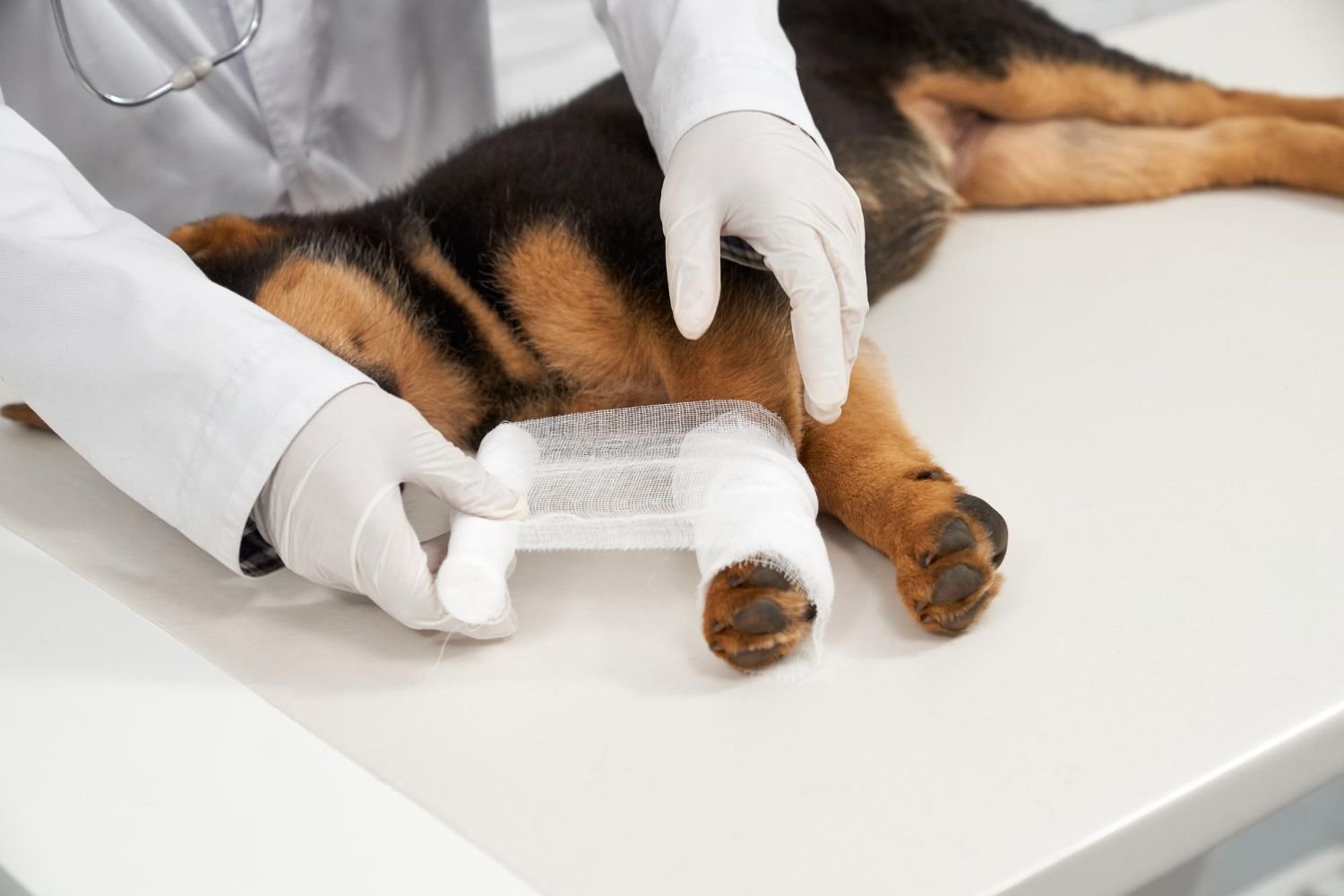
- Cover with non-adherent dressing, soft gauze, and cohesive wrap
- Contact your veterinarian
When to see a vet immediately: Animal bites, deep lacerations, bleeding that won’t stop, or any wound with swelling, pus, or odor.
Bleeding Nails
A torn or over-trimmed nail can bleed heavily. Minor bleeding may sometimes be controlled with appropriate first aid, but significant injuries or bleeding that does not stop need veterinary attention.
- Apply styptic powder, cornstarch, or flour to the nail
- Apply gentle pressure for several minutes
- Keep your dog calm and quiet
When to call the vet: Bleeding continues beyond several minutes, the nail is split near the base, or your dog is in significant pain.
Suspected Poisoning
If your dog may have ingested something toxic… don’t wait for symptoms to appear. Call ASPCA Animal Poison Control at 888-426-4435 or your veterinarian immediately.
What to do:
- Remove access to the toxin immediately
- Take a photo of any remaining material or packaging
- Call ASPCA Poison Control at 888-426-4435 or your veterinarian immediately
- Follow their instructions exactly
Important: Do not induce vomiting unless specifically instructed by a veterinary professional. Sometimes it’s not safe or appropriate.
Heatstroke or Overheating
Dogs don’t cool themselves as efficiently as humans do, and heatstroke can become life-threatening quickly.
Early signs to watch for:
- Heavy panting
- Excessive drooling
- Bright red gums
- Weakness or disorientation
What to do:
- Move your dog to a cool, well-ventilated area immediately.
- Apply cool (not cold) water to the body while using a fan or air conditioning to promote cooling.
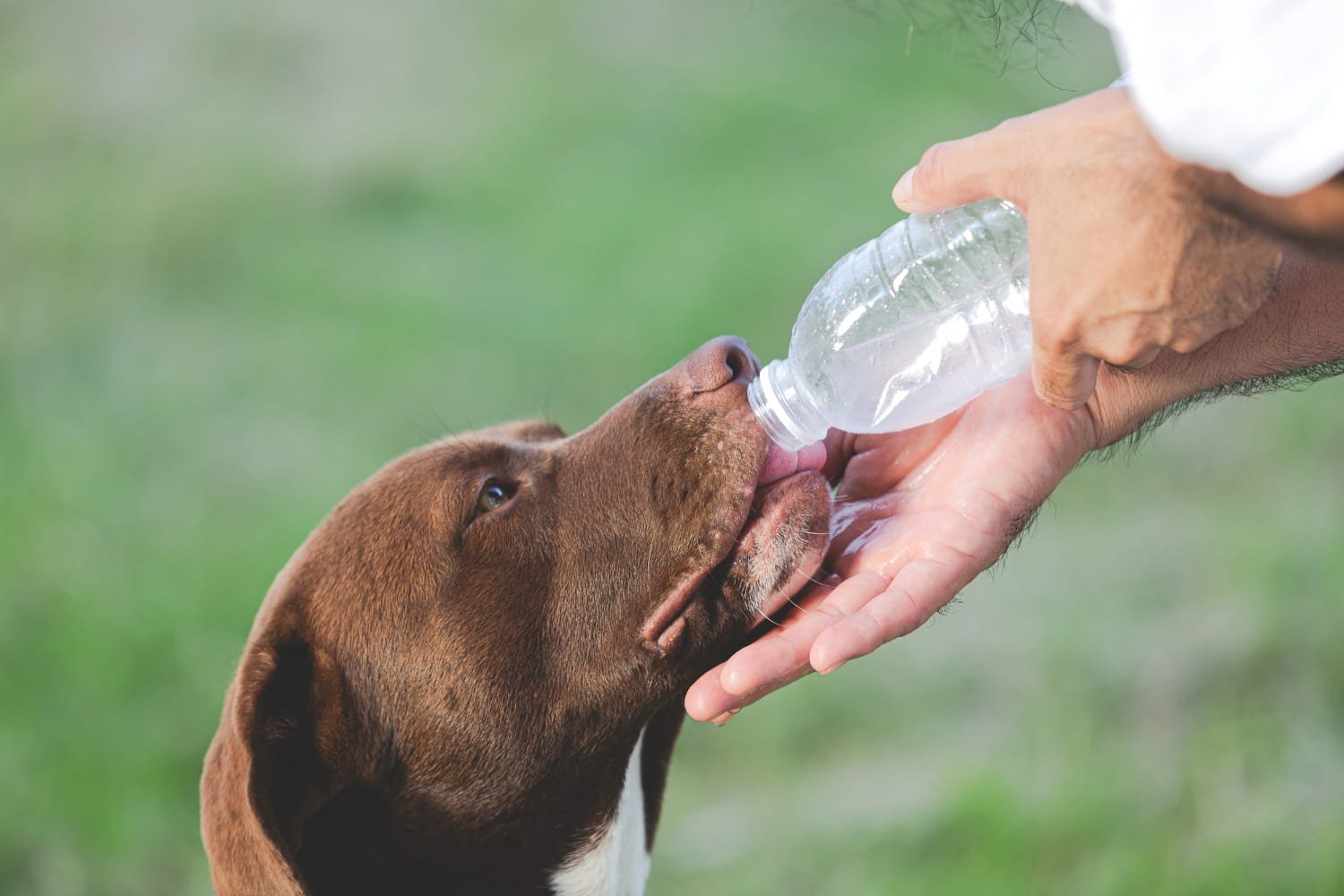
- If your dog is alert and able to swallow normally, offer small amounts of cool or room-temperature water. Do not force water into a weak, confused, or unconscious dog.
- Get to a veterinarian immediately, even if your dog appears to improve.
Get to a vet immediately — even if your dog seems better, heatstroke can cause internal damage that isn’t immediately visible.
Seizures
Seizures are frightening, but your main job is to keep your dog safe.
What to do:
- Move furniture away to prevent injury
- Do not restrain your dog or put your hands near their mouth — they may bite without meaning to
- Time the seizure if you can. A seizure that continues for several minutes, repeats without your dog recovering normally between episodes, or is accompanied by other serious symptoms requires immediate veterinary attention.
- Once the seizure stops, keep your dog quiet and contact your veterinarian
When to seek immediate veterinary care: The seizure doesn’t stop, or your dog has multiple seizures in a short period.
Vomiting or Diarrhea
Occasional stomach upset can happen, but repeated symptoms can become serious — especially for puppies and senior dogs.
For a mild episode in an otherwise alert dog:
- Offer small amounts of water without forcing it
- Monitor closely for worsening or additional symptoms
- Keep your dog comfortable and avoid strenuous activity
- Contact your veterinarian if you’re unsure whether home monitoring is appropriate
When to call the vet: Symptoms continue, there’s blood in the vomit or stool, your dog becomes lethargic, or they can’t keep water down. Puppies and senior dogs can become dehydrated very quickly.
Training and Resources: Be Prepared Before an Emergency
Preparation doesn’t stop at having a kit — knowing what to do matters just as much.
Take a Pet First Aid Course
The American Red Cross offers a Cat and Dog First Aid online course that takes about 30 minutes to complete. It includes step-by-step instructions for choking, CPR, wound care, and seizures.
Get the Free Red Cross Pet First Aid App
The American Red Cross offers a free Pet First Aid App with step-by-step instructions, videos, and images for more than 25 common first aid situations. The app also lets you create a pet profile, find emergency care facilities nearby, and test your knowledge with interactive quizzes.
The app also allows you to:
- Create a pet profile with photos, medications, and ID information
- Find emergency pet care facilities nearby
- Test your knowledge with interactive quizzes
How to get it: Text ‘GETPET’ to 90999, go to redcross.org/apps, or search for “American Red Cross” in your app store.
Pro Tip: Store Your Vet’s After-Hours Number in Multiple Places
In an emergency, you won’t want to search for contact information. Keep your regular veterinarian’s number and the nearest 24-hour emergency clinic’s number in multiple places: your phone contacts, printed in your first aid kit, and on your fridge.
Frequently Asked Questions
When should I use first aid on my dog versus going straight to the vet?
First aid is appropriate for non-life-threatening minor injuries like small cuts or mild vomiting. For any serious symptoms — trouble breathing, severe bleeding, seizures, suspected poisoning, or collapse — go to a veterinarian immediately and only provide first aid that doesn’t delay transport.
Can I use human medications on my dog in an emergency?
No. Never give your dog human medications without veterinary guidance. Some human medications can be toxic to dogs, and even medications that may sometimes be used in dogs should only be given under veterinary guidance.
Should I induce vomiting if my dog ate something toxic?
Only if specifically instructed by a veterinarian or poison control expert. Sometimes inducing vomiting is not safe or appropriate, depending on what was ingested and your dog’s health status.
What should I put in a dog first aid kit?
Essential items include sterile saline, gauze and bandages, styptic powder, tweezers, a thermometer, a muzzle, your vet’s contact information, and poison control numbers. See the full list above for details.
How do I stay calm during a pet emergency?
Take a deep breath before approaching your dog. Speak calmly and avoid sudden movements. Remember that your dog can sense your anxiety — a calm approach helps keep both of you safer.
Final Thoughts
Nobody wants to imagine their dog in an emergency. But the reality is that accidents and sudden illnesses happen — and when they do, a few minutes of knowing what to do can make a meaningful difference.
You don’t need to become a veterinary expert. You just need to know the basics: when to use first aid and when to rush to the vet, what to keep in your first aid kit, and what NOT to do in a crisis.
Take a few minutes today to assemble a kit, save your emergency vet’s number in your phone, and download the Red Cross app. These small steps won’t prevent emergencies, but they’ll give you the confidence to handle one if it happens.
Being prepared can help you respond more calmly and safely if an emergency happens.