It is the middle of summer, and you are walking your dog on a sunny afternoon. You are wearing shoes, so you do not feel the heat. But your dog’s bare paws are directly exposed to surfaces that can become dangerously hot in strong summer heat. Now imagine winter — freezing temperatures, ice, and chemical deicers that can burn and crack sensitive paw pads.
Your dog’s paws are remarkably resilient, but they are not immune to harsh conditions. Extreme weather can cause painful injuries, from burns and blisters to frostbite and chemical burns. The good news? With the right precautions, you can protect your dog’s paws and skin all year round.
At Best Pet Mate, we believe in keeping your dog safe through every season. This guide covers everything you need to know about protecting your dog’s paws and skin in extreme weather — from summer heat to winter ice.
Understanding the Risks: What Extreme Weather Does to Paws
Summer Heat: The Hidden Danger
Hot pavement can be a serious danger for dogs. During periods of extreme heat, asphalt, concrete, and sand can become hot enough to burn a dog’s paw pads. Hot surfaces can cause redness, blisters, and burns, so avoid walking your dog on overheated pavement or sand.
You might think that because a dog’s paws are tougher and thicker, they can withstand higher temperatures. While they are more resilient than human skin, they are still subject to burns. A simple practical check is to place the back of your hand against the pavement briefly. If the surface feels uncomfortably hot to you, choose a cooler route or walk at another time.
Other summer hazards include sand, which can be abrasive and wear away the thick tissue of paw pads, causing irritation. In some regions, dogs may also encounter “spikelets” — small pointed grass seeds that can become lodged between paw pads and penetrate the skin, causing abscesses.
Winter Cold: Ice, Snow, and Chemicals
Winter brings its own set of challenges. Freezing temperatures can cause frostbite, particularly on paw pads, ears, and tails. Frostbite initially causes numbness but eventually leads to pain and discomfort. If your dog repeatedly lifts its paws, limps, or seems reluctant to walk in the cold, bring them inside and check their paws for irritation, ice buildup, or injury. Suspected frostbite requires veterinary attention.
Snow and ice can pack between paw pads, forming painful ice balls that can cause irritation, discomfort, and difficulty walking.
Perhaps the most dangerous winter hazard is chemical deicers. Common de-icers can contain substances such as sodium chloride, calcium chloride, potassium chloride, or magnesium chloride. These products can irritate paw pads, and licking residue from treated surfaces can cause stomach upset or, with sufficient ingestion, more serious problems.
Summer Paw Protection: Keeping Paws Cool and Safe
Time Your Walks Wisely
The simplest way to protect your dog’s paws in summer is to avoid walking during the hottest part of the day. Walk your dog during cooler hours — early morning and late evening — and stay in the shade as much as possible during the day. Allow your pet to walk in the cooler grass rather than on hot pavement.
Apply Paw Protection Products
Paw balms and waxes can provide a protective barrier and help keep paw pads moisturized. Choose products specifically formulated for dogs and follow the product directions.
Consider Dog Booties
Dog booties can provide an effective physical barrier against hot pavement and sand. Some dogs may take time to get used to wearing them, so introduce booties gradually and make sure they fit properly.
Winter Paw Protection: Guarding Against Cold and Chemicals
Trim Paw Fur
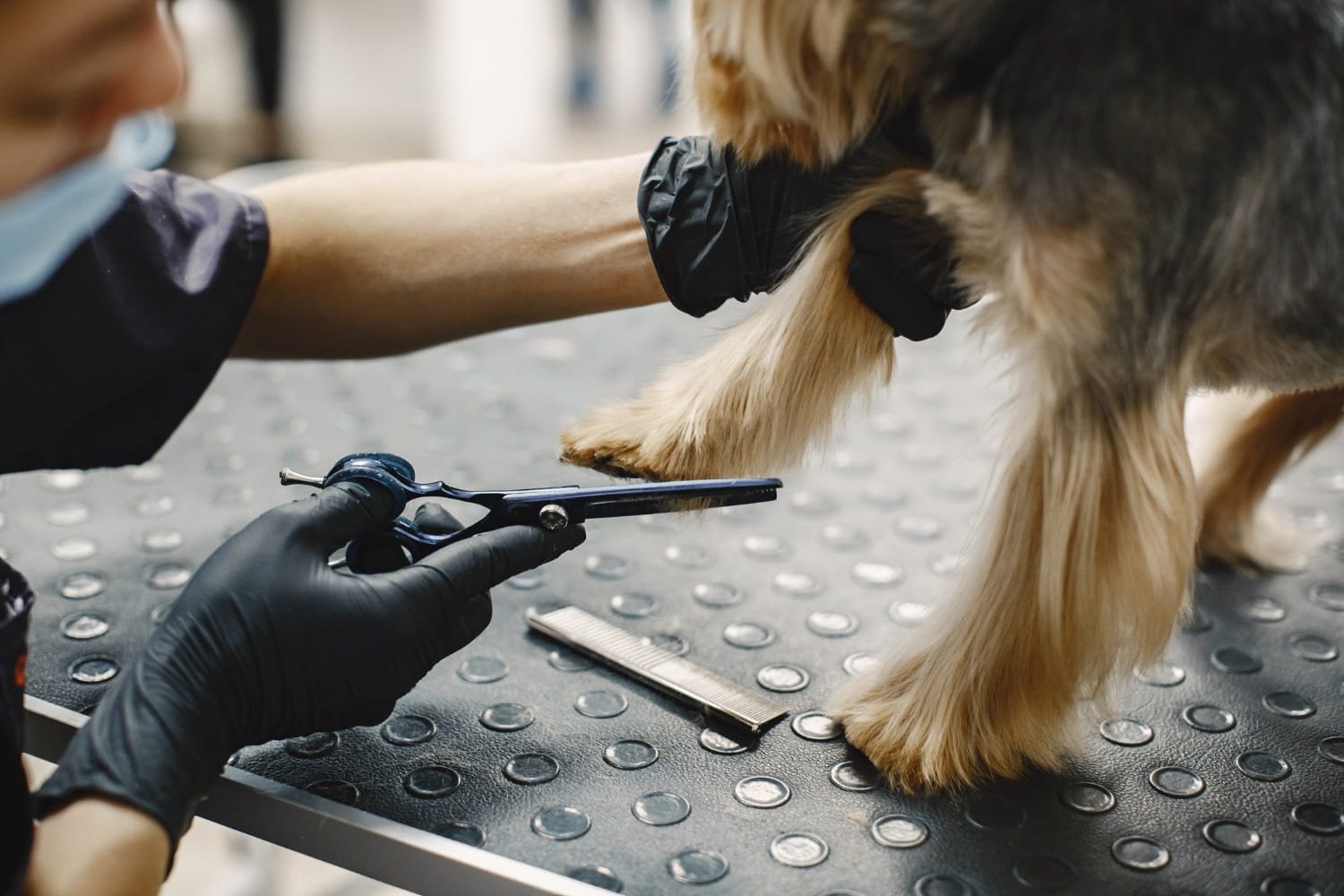
For dogs with long hair between their paw pads, keeping the hair neatly trimmed can help reduce the amount of snow and ice that collects between the toes. Long fur acts like a magnet for snow and ice, making ice ball formation more likely. Keeping this area clear also makes it easier to identify any injuries.
Apply Paw Balm Before Walks
Vet-approved paw protectants can help create a barrier between paw pads and harsh winter surfaces. Apply before walks to help prevent problems from developing. After walks, clean and dry paws thoroughly, then use a vet-approved paw protectant if appropriate for your dog’s needs.
Use Dog Booties
Dog booties can provide an effective physical barrier against hot, cold, icy, or chemically treated surfaces.
When choosing booties, measure your dog’s feet carefully. Ill-fitting shoes can lead to blisters and sores. Consider waterproof fabric and non-slip soles to keep your dog’s feet dry and provide traction on slippery surfaces.
Choose Pet-Safe Ice Melt
If you use ice melt on your own property, follow the product’s application instructions and keep your dog away from treated areas as directed. Remember that products marketed as pet-friendly can still cause problems if they are licked or swallowed.
If your dog walks in an area treated with conventional ice melt, rinse their paws with lukewarm water when you get home.
Post-Walk Paw Care: Essential Steps
Rinse and Dry
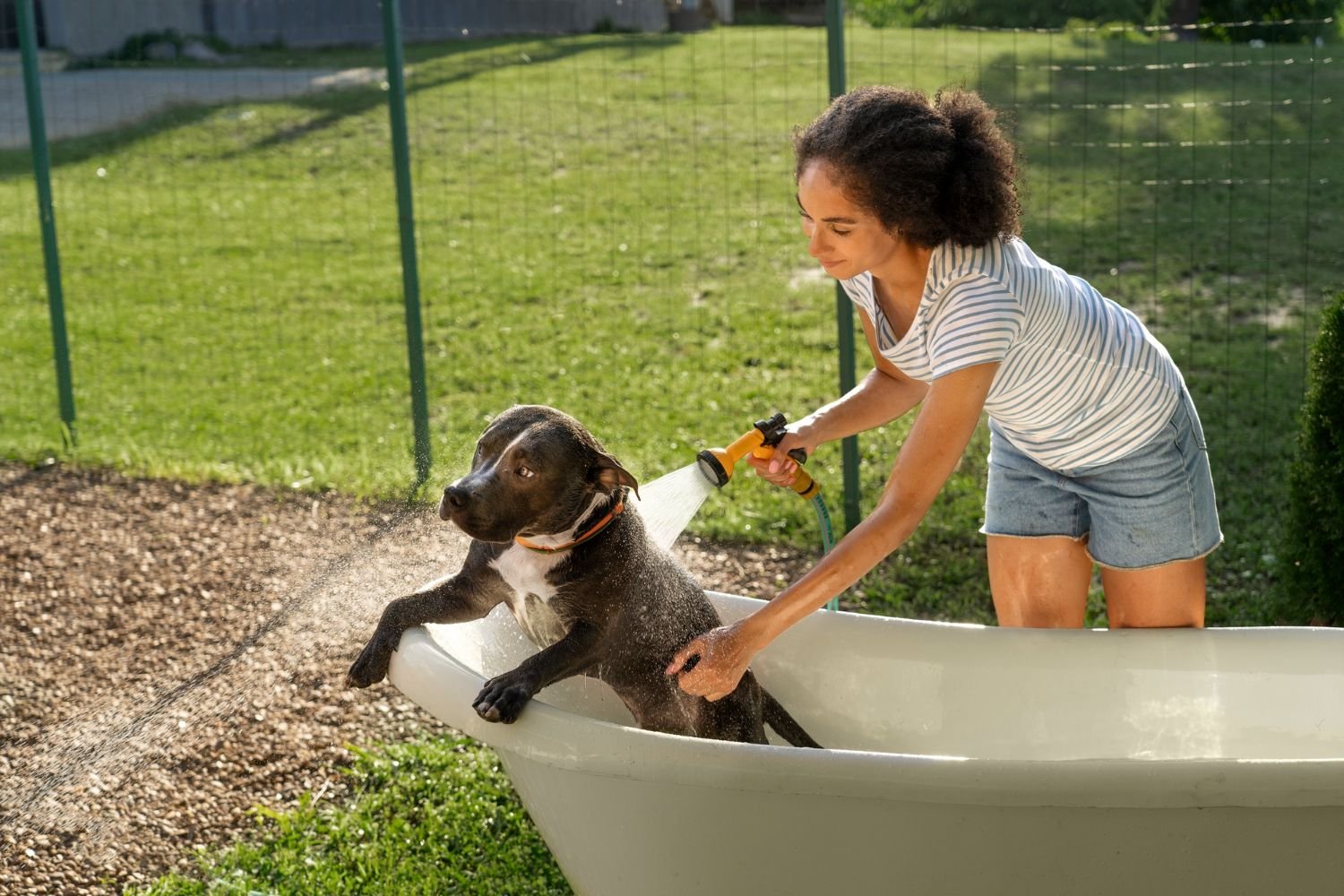
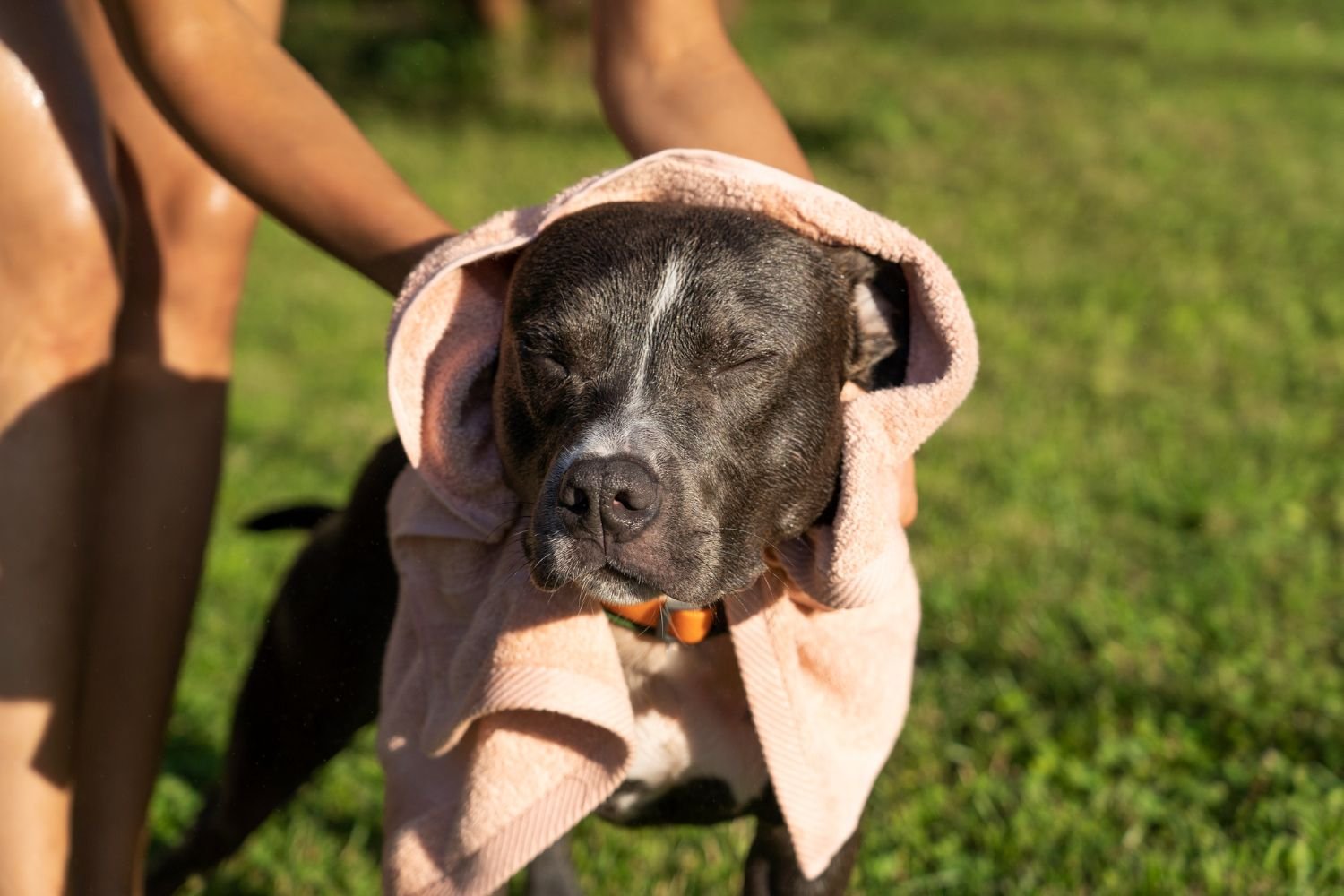
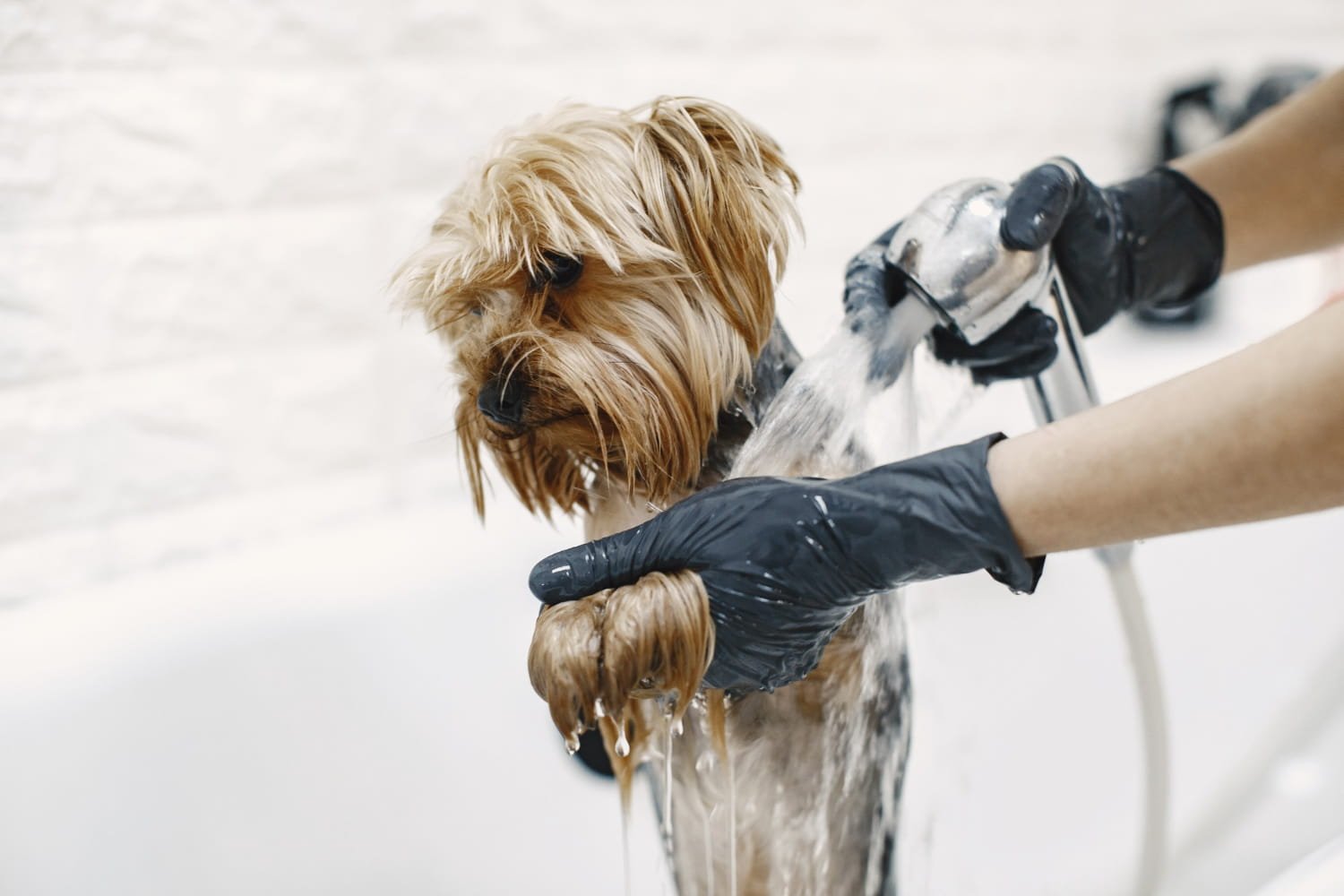
After every walk, rinse your dog’s paws with lukewarm (not hot) water to remove salt, chemicals, sand, and debris. Dry thoroughly, especially between toes. This helps remove potentially irritating or harmful substances before your dog can lick them from their paws.
Inspect for Damage
After each walk, check the paw pads, between the toes, under the pads, and around the toenails for cuts, cracks, redness, sores, swelling, bleeding, or foreign objects. Remove any ice balls gently by using lukewarm water to melt them away rather than pulling, which can tear the skin.
Apply Balm After Cleaning
After cleaning and drying paws, apply a vet-approved paw protectant if appropriate for your dog’s needs. This is especially important in winter when dry air and cold temperatures can cause cracking.
Skin Protection in Extreme Weather
Protect the Nose
Cold, dry weather can contribute to dryness around some dogs’ noses. If the nose becomes persistently crusted, thickened, cracked, or uncomfortable, speak with your veterinarian rather than assuming the problem is simply weather-related. If your veterinarian recommends a paw- or nose-safe moisturizer, follow the product directions.
Keep Skin Moisturized
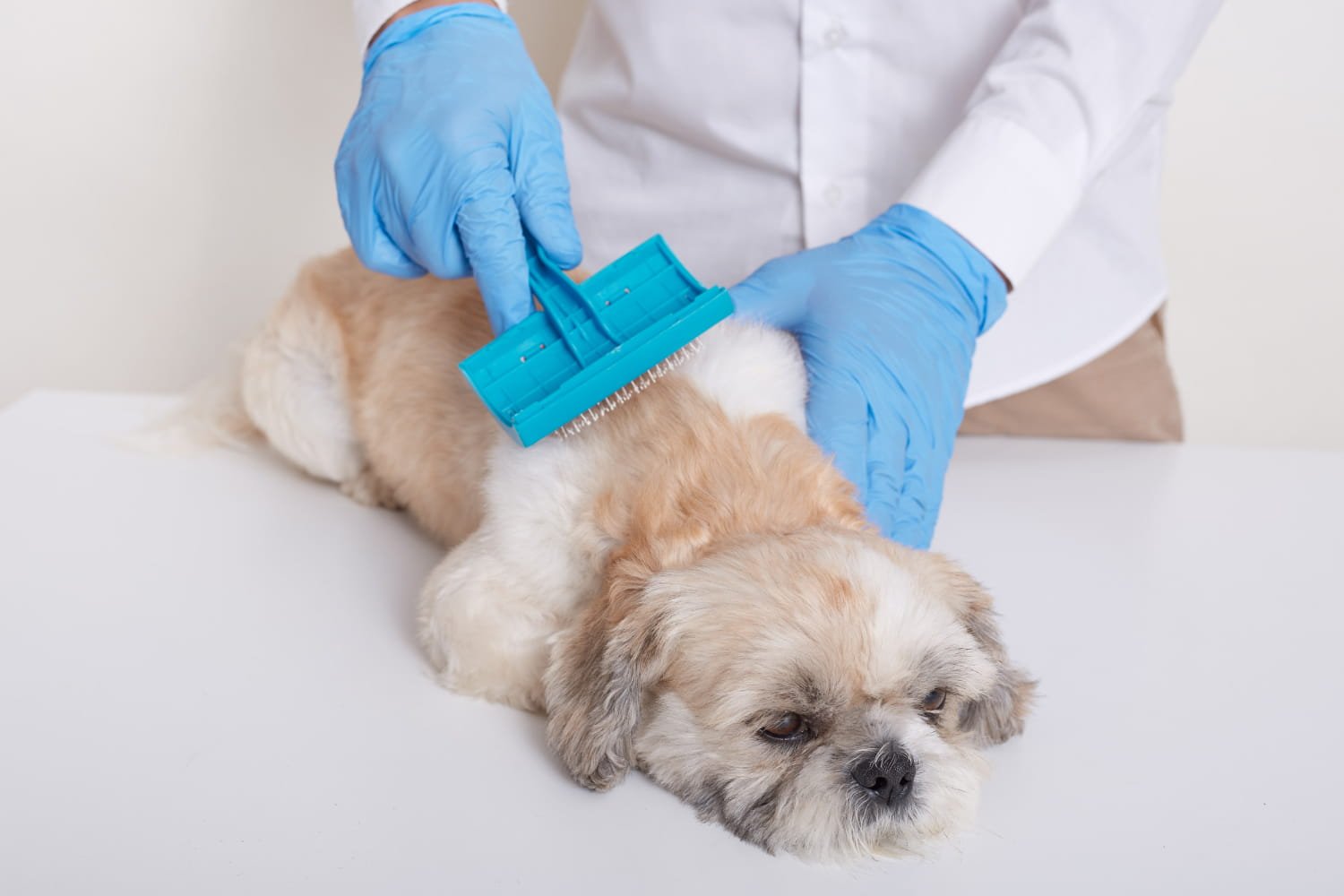
Dogs can get dry, flaking skin any time of year, but it is especially common in winter because of cold temperatures, wind, and hot, dry air inside the house. Run a humidifier in the house, avoid bathing too often, and use a moisturizing shampoo when you do bathe your dog. Brushing regularly can help distribute natural oils and keep the coat free of mats and debris. If your dog’s skin remains dry or irritated despite these measures, discuss the problem with your veterinarian.
Prevent Frostbite
Dogs can get frostbite, especially on their ears, tails, and paws. To avoid frostbite, stay inside during periods of extreme cold and make sure your dog always has access to somewhere warm and dry. Clothing and boots are also beneficial. If you suspect your dog has frostbite, move your dog to a warm, dry area and contact your veterinarian promptly. Avoid rubbing or massaging the affected area.
AVMA: Cold Weather Pet Safety — The American Veterinary Medical Association provides guidance on protecting pets during cold weather, including limiting exposure and paying attention to signs of cold-related problems.
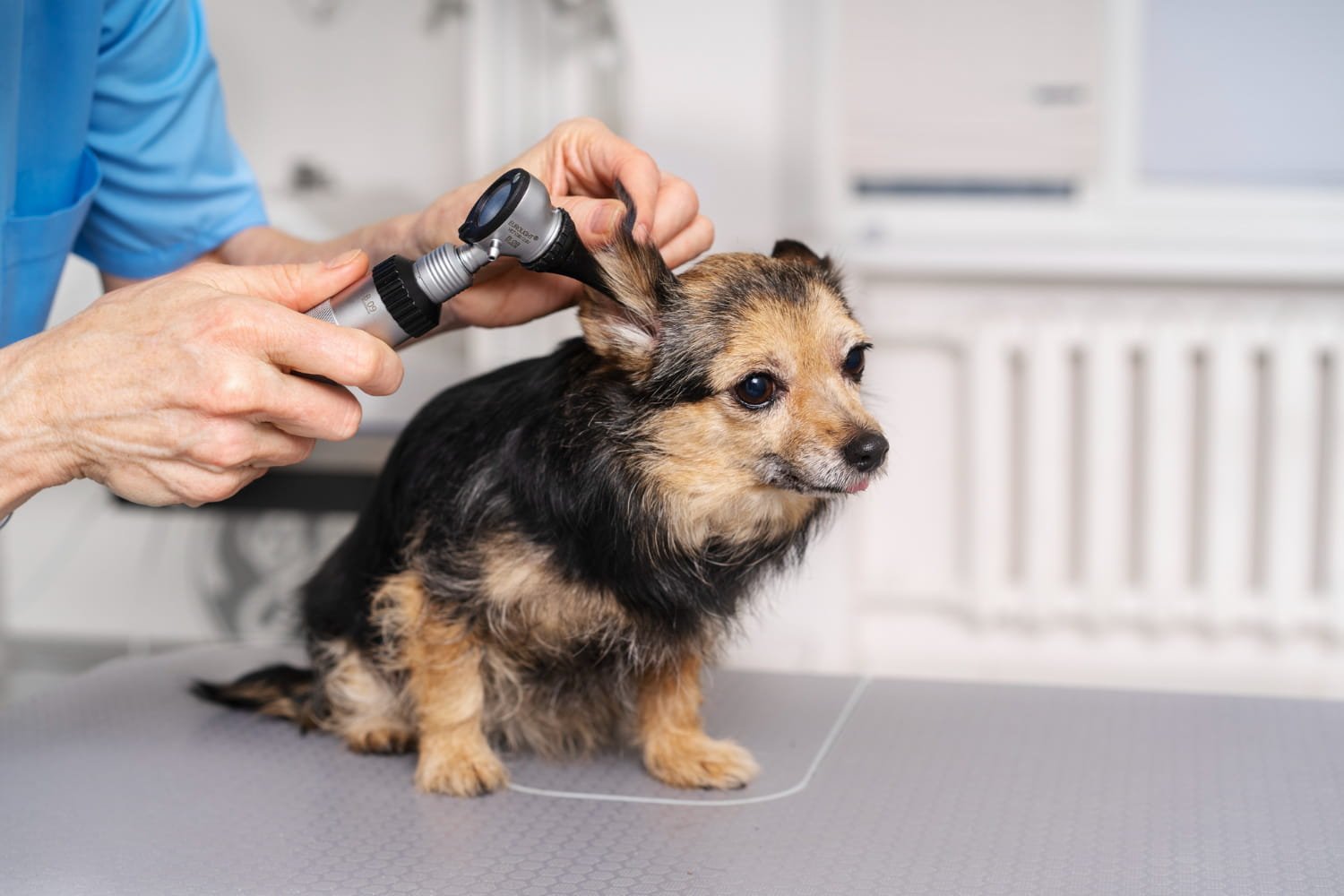
When to Call the Vet
Contact your veterinarian if you notice:
- Deep cuts or wounds that won’t stop bleeding or won’t heal
- Signs of frostbite — pale or gray skin that doesn’t return to normal color
- Severe limping or inability to bear weight
- Persistent licking despite cleaning and protection
- Excessive grooming of the feet
- Cracks or wounds that appear infected
- Blisters, severe redness, or open wounds on the paw pads after exposure to hot surfaces
Pro Tip: Start Paw Care Early
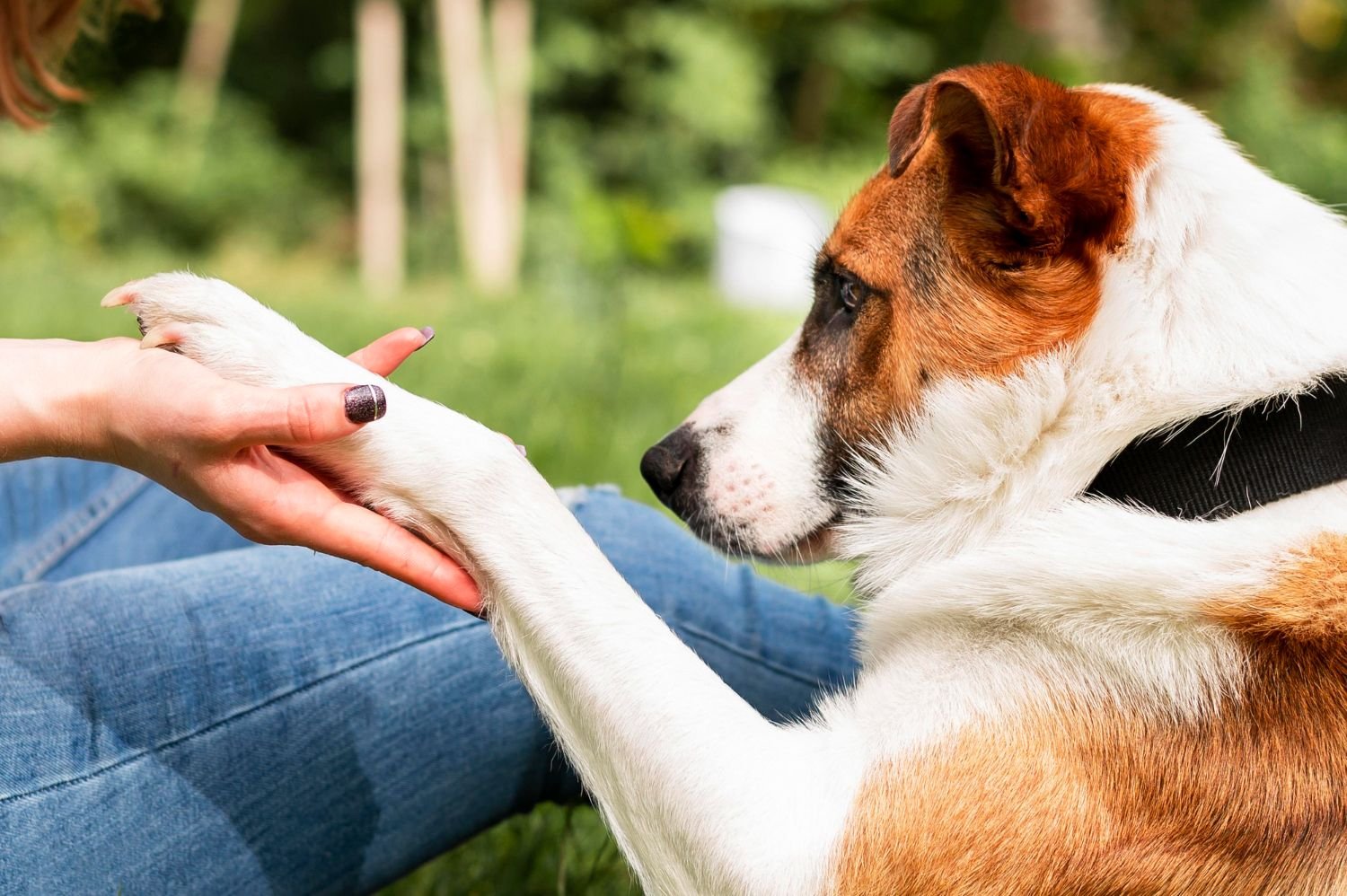
Get your dog accustomed to gentle paw care from a young age. Check their paw pads regularly and brush their coat as appropriate for their coat type. Familiarity with handling may make paw checks and care easier when your dog has an injury or irritation.
Frequently Asked Questions
How cold is too cold for dog paws?
There is no single temperature that is too cold for every dog. Risk depends on factors such as breed, coat type, age, health, acclimatization, wind, moisture, and how long the dog is outside. In very cold or severe weather, keep outdoor walks brief and monitor your dog closely.
Do dogs really need booties in the snow?
Some dogs tolerate cold and snow better than others, but booties can provide useful protection when conditions are icy, heavily salted, extremely cold, or otherwise irritating to the paws.
How can I tell if my dog’s paws are burnt or frostbitten?
Signs of paw injury from heat or cold can include limping, reluctance to walk, excessive licking, redness, swelling, cracks, or blisters. Frostbite can cause affected skin to become unusually pale, gray, bluish, or later darkened. If you suspect frostbite or a significant burn, contact your veterinarian promptly.
Are pet-safe ice melts really safe?
Products marketed as pet-friendly may be gentler than some conventional de-icers, but they are not intended to be eaten and can still cause problems if swallowed. Keep your dog away from treated areas and rinse their paws after walks. If you suspect your dog has ingested ice melt, contact your veterinarian or an appropriate animal poison-control service promptly.
Final Thoughts
Extreme weather doesn’t mean your dog can’t enjoy outdoor time, but it does require extra attention to paw and skin care. With proper preparation, protective measures, and post-walk care, you can keep your dog comfortable and safe through every season.
The key is consistency. Check your dog’s paws regularly, use appropriate protective measures for the conditions, and consider booties when they can provide useful protection. These simple habits can help make outdoor time safer and more comfortable throughout the year.