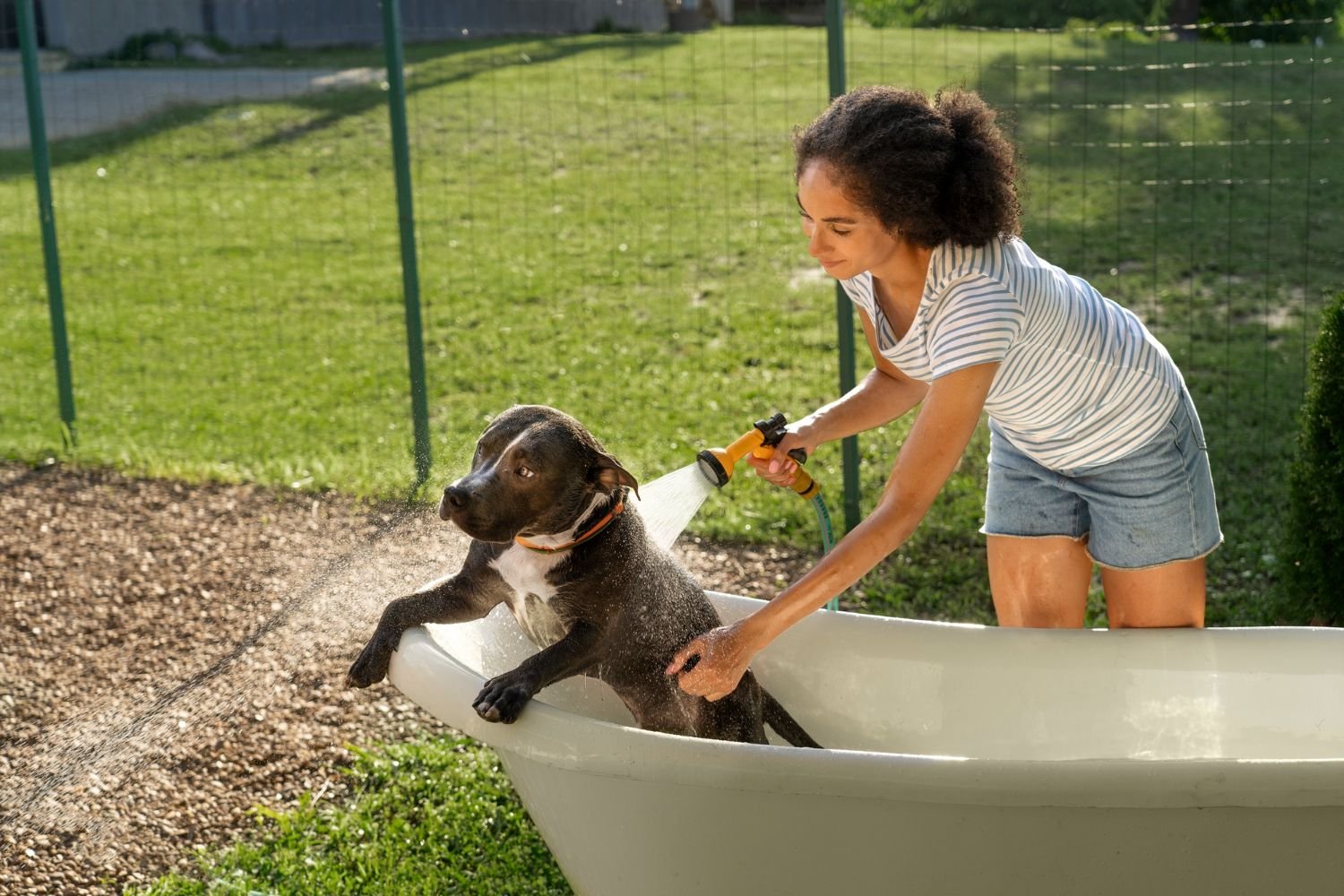
The temperature is climbing, and you can see your dog panting more than usual. Your first instinct might be to grab the clippers and give them a close shave to help them cool down. It makes sense on the surface — less fur should mean less heat, right?
Actually, that’s one of the most common and potentially harmful summer grooming mistakes dog owners make. And it’s not the only one.
Summer brings a unique set of grooming challenges that go beyond just keeping your dog looking neat. The wrong approach can leave your dog uncomfortable, overheated, or even injured. The right approach, however, keeps them cool, comfortable, and healthy through the hottest months.
Let’s walk through the most frequent summer grooming errors and — more importantly — what to do instead.
The Shaving Myth That Won’t Go Away
This is one of the most common summer grooming mistakes, and it’s surprisingly widespread. Many owners believe a close shave helps their dog stay cool, but the opposite is often true.
Why Shaving Hurts More Than It Helps
A dog’s coat isn’t just decorative — it’s a sophisticated temperature regulation system. The outer guard hairs reflect sunlight and provide insulation against heat. The undercoat traps air, which acts as a buffer between your dog’s skin and the outside temperature.
When you shave a double-coated dog (like a Husky, Golden Retriever, or German Shepherd), you remove much of the coat that normally helps protect the skin and regulate the effects of the environment. Some dogs can experience delayed or abnormal coat regrowth after being shaved, particularly in certain breeds or individual dogs.
The Long-Term Damage of Shaving
Shaving isn’t just ineffective — it can be damaging. Removing the protective coat can leave the skin more exposed to sunburn, parasites, and irritation. In some dogs, coat regrowth may also be uneven or delayed after shaving. (AKC)
The Right Approach: Brush, Don’t Shave
For dogs with long or double coats, more frequent brushing during shedding periods can help prevent mats from forming. The ideal frequency depends on the dog’s coat type, density, and tendency to tangle.
For some long-haired breeds, a modest trim may be appropriate for manageability — but the right approach depends on the dog’s coat type and grooming needs. A professional groomer who understands your dog’s coat can recommend whether trimming is appropriate and what length to maintain.
Choosing the Wrong Brush for Summer Shedding
Summer is peak shedding season for many dogs, and shedding can feel relentless. Using the wrong brush — or brushing incorrectly — can make the problem worse.
Why the Wrong Brush Makes Things Worse
Many owners reach for a simple slicker brush or pin brush for all their brushing needs. These tools can be useful for surface tangles, but they may not reach all of the dense undercoat being shed. If loose undercoat is not removed effectively, it can become trapped in the coat and contribute to mats that hold moisture close to the skin.
Matching the Tool to Your Dog’s Coat
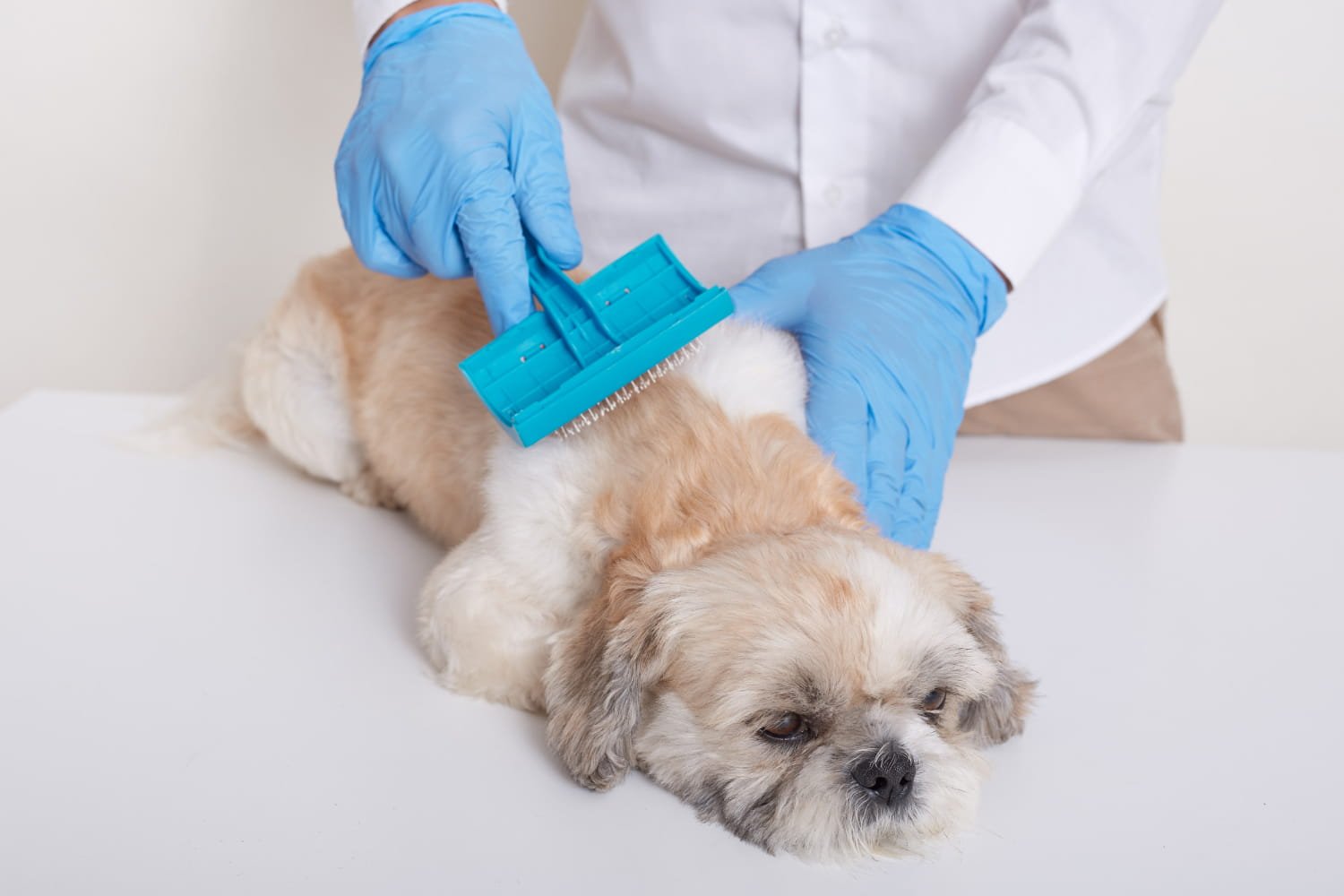
For heavy shedders, an undercoat rake or a de-shedding tool (like a Furminator) removes loose hair from deep within the coat. These tools are specifically designed for coat types with dense undercoats.
For short-haired breeds, a grooming glove or rubber curry brush works well to remove loose hair and stimulate the skin. For long-haired breeds, a combination of a slicker brush for tangles and a metal comb for finishing can work well.
Brushing Technique Matters Too
Brush in the direction of hair growth, and avoid excessive pressure that can irritate the skin. If your dog continues to shed heavily despite regular brushing, make sure the grooming tool and technique are appropriate for the coat type. A professional groomer can also help you choose an appropriate grooming routine.
Over-Bathing and Harsh Shampoos
Summer means more outdoor adventures — mud, dust, and the occasional mystery puddle. It’s tempting to bathe your dog more frequently to keep them clean and fresh.
What Over-Bathing Does to the Skin
Frequent bathing strips the natural oils that keep your dog’s skin and coat healthy. Dry, flaky skin becomes itchy and uncomfortable, and your dog may scratch excessively, leading to irritation or infection. Harsh shampoos — especially those not formulated for dogs — accelerate this problem.
Finding the Right Bathing Schedule
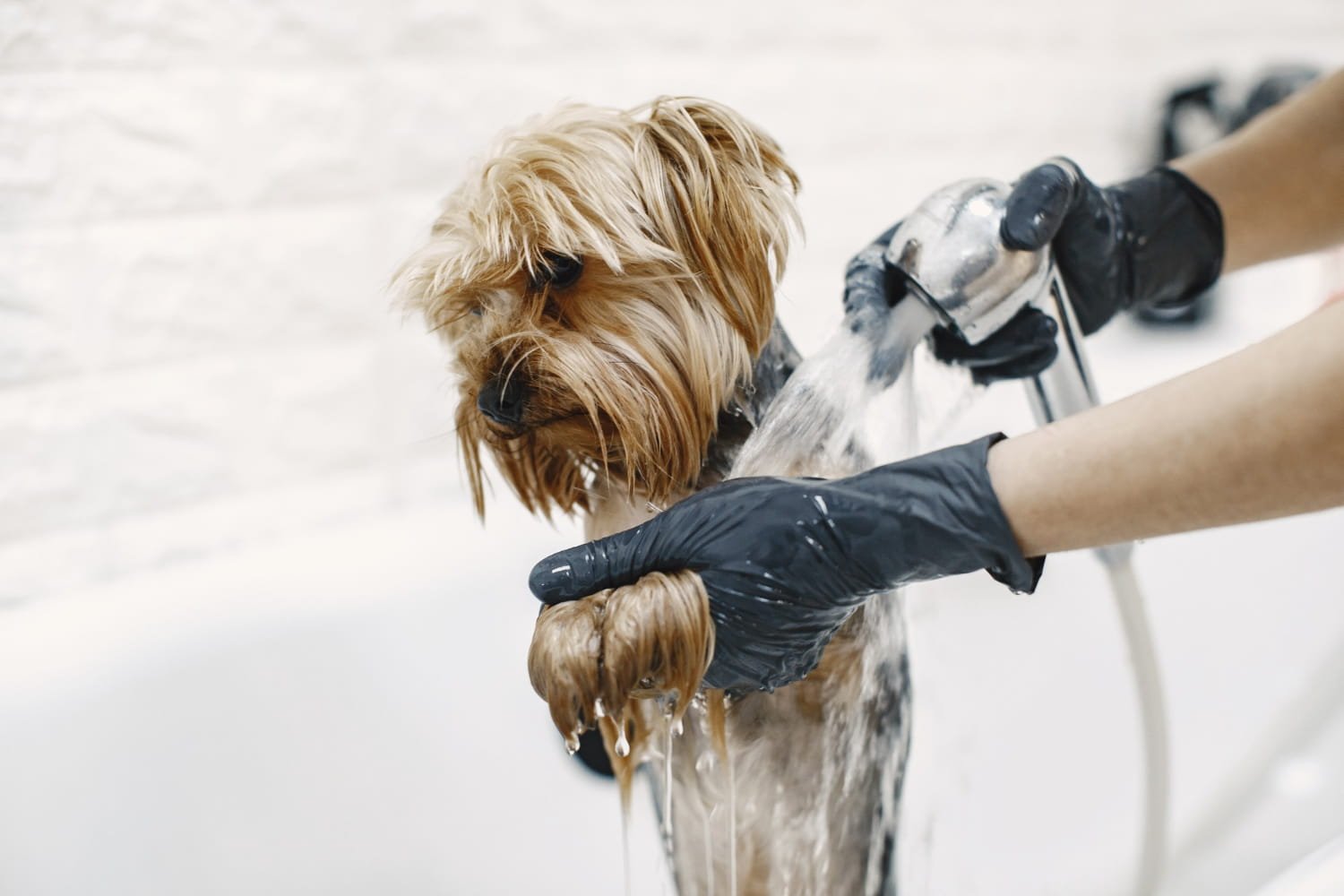
Many dogs do well with bathing every few weeks to about once a month, but the appropriate frequency varies with coat type, lifestyle, skin condition, and how dirty the dog becomes.
Choosing the Right Shampoo
Always use shampoo specifically formulated for dogs — their skin has a different pH balance than humans. For routine bathing, choose a mild shampoo specifically formulated for dogs. If your dog has dry, irritated, or otherwise abnormal skin, ask your veterinarian which shampoo is appropriate. Avoid shampoos with harsh detergents, artificial fragrances, or dyes.
Ignoring Paw Care in Hot Weather
Summer heat doesn’t just affect your dog’s body — it’s tough on their paws too.
The Danger of Hot Pavement
Asphalt, concrete, and even sand can become dangerously hot in direct sunlight and can burn a dog’s paw pads. The actual surface temperature varies with weather, surface material, sunlight, and location.
Additionally, dry summer conditions can cause paw pads to crack, making them painful and vulnerable to infection.
Simple Paw Protection Habits
Check the pavement before walks by placing the back of your hand on the surface for about 10 seconds. If you cannot comfortably keep your hand there, choose a cooler route or wait for cooler conditions.
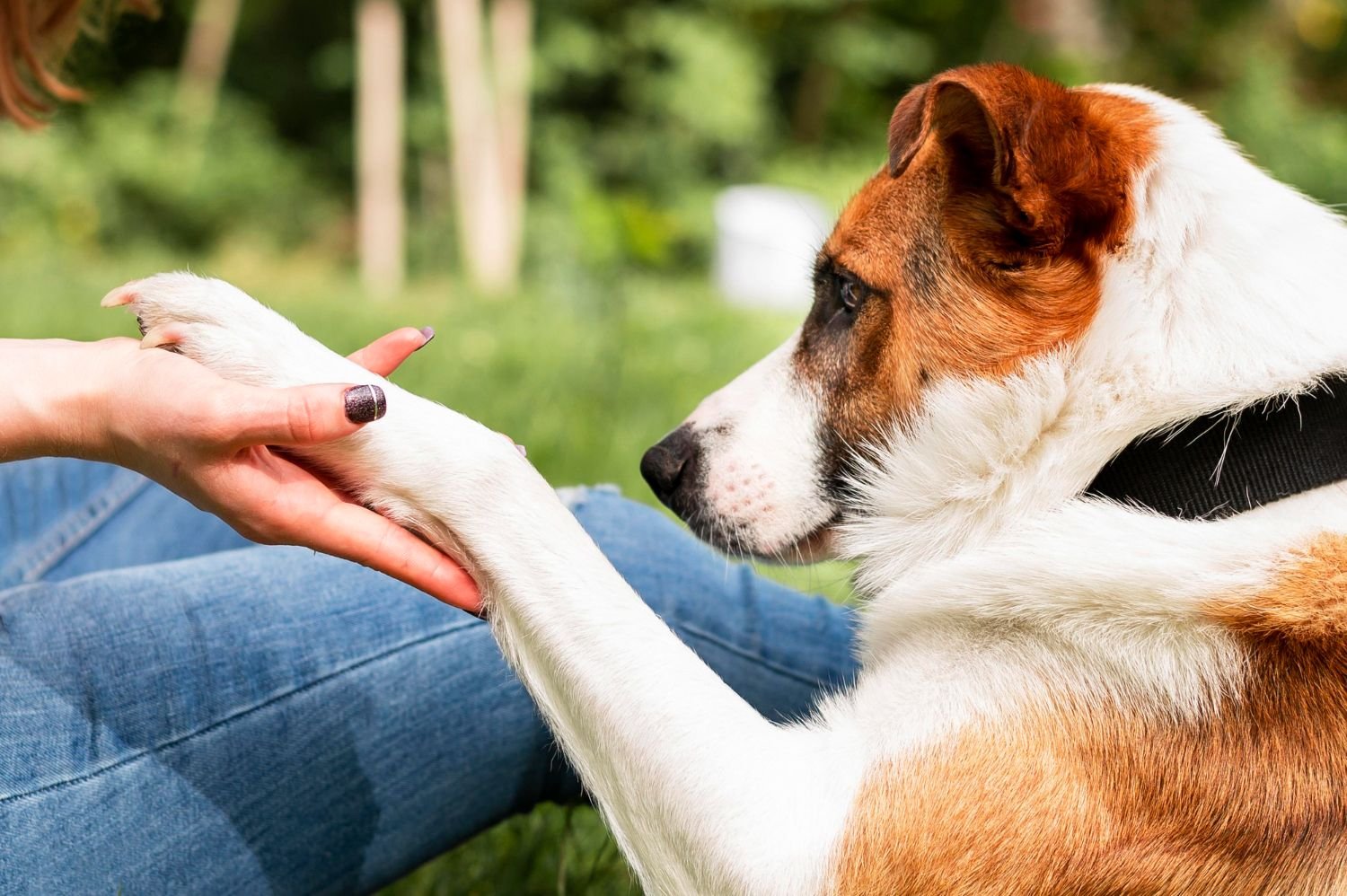
Apply paw balm or wax before walks to create a protective barrier. After walks, wipe paws with a damp cloth to remove dirt and any irritants. For dogs with dry or cracked pads, a moisturizing balm applied at night helps keep them supple.
When Booties Make Sense
For dogs who need to walk on potentially hot surfaces, properly fitted breathable booties can help protect the paw pads. Just ensure they fit properly and don’t cause chafing.
Overlooking Ear Hygiene in Humid Weather
Warm, humid conditions and trapped moisture can contribute to ear problems, particularly in dogs whose ears do not ventilate well.
Why Summer Is Prime Time for Ear Issues
Dogs with floppy ears (like Cocker Spaniels, Basset Hounds, and Retrievers) are especially susceptible. Moisture trapped in the ear canal, combined with summer heat, encourages bacterial and yeast overgrowth. Signs of an ear infection include head shaking, ear scratching, redness, odor, or discharge.
Establishing a Summer Ear Care Routine
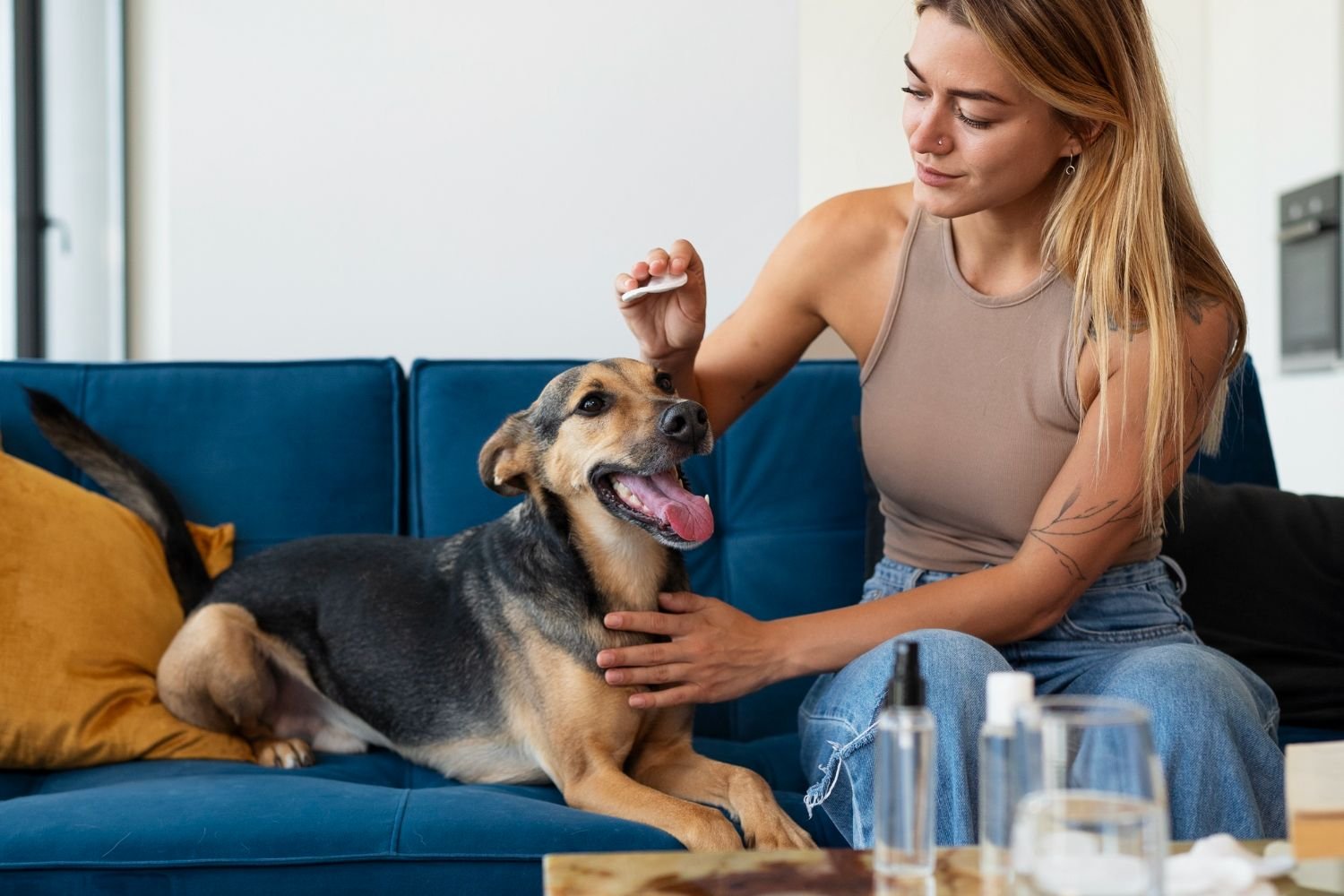
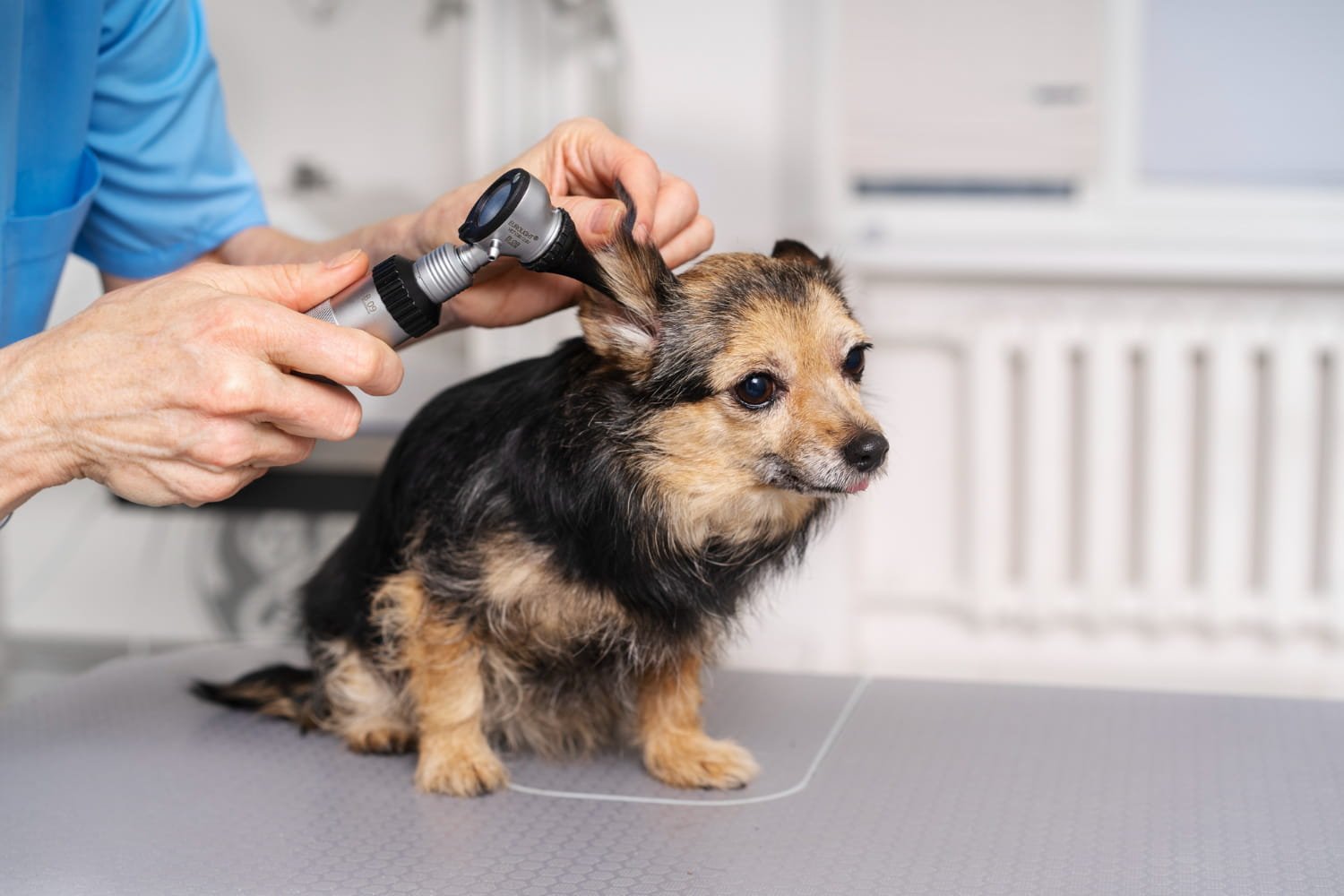
Check your dog’s ears regularly, especially after swimming or bathing. If your veterinarian has recommended routine ear cleaning, use the recommended ear cleaner and follow their instructions. A cotton ball can be used to gently wipe the outer ear and accessible areas, but never push a cotton swab into the ear canal.
Dry ears after swimming or bathing. Excess moisture in the ear canal can contribute to conditions that favor ear inflammation and infection. After water activities, gently dry the outer ear with a soft towel. If your veterinarian has recommended a drying solution for your dog, use it according to their instructions, particularly if your dog is prone to recurrent ear problems.
Skipping the Post-Swim Rinse
Summer often means trips to the beach, lake, or swimming pool. These are wonderful experiences for your dog, but they leave residue behind.
What Saltwater and Chlorine Do to the Coat
Saltwater can dry out the skin and coat, potentially contributing to itchiness and flaking. Pool water can contribute to dryness or irritation of the skin and coat, especially with repeated exposure. Sand and debris can also cause skin irritation if not thoroughly rinsed off.
The Rinse-Then-Dry Rule
Always rinse your dog with fresh water after swimming. A thorough rinse removes salt, chlorine, and debris. For swimming in pools, using a moisturizing shampoo after the rinse can help restore hydration.
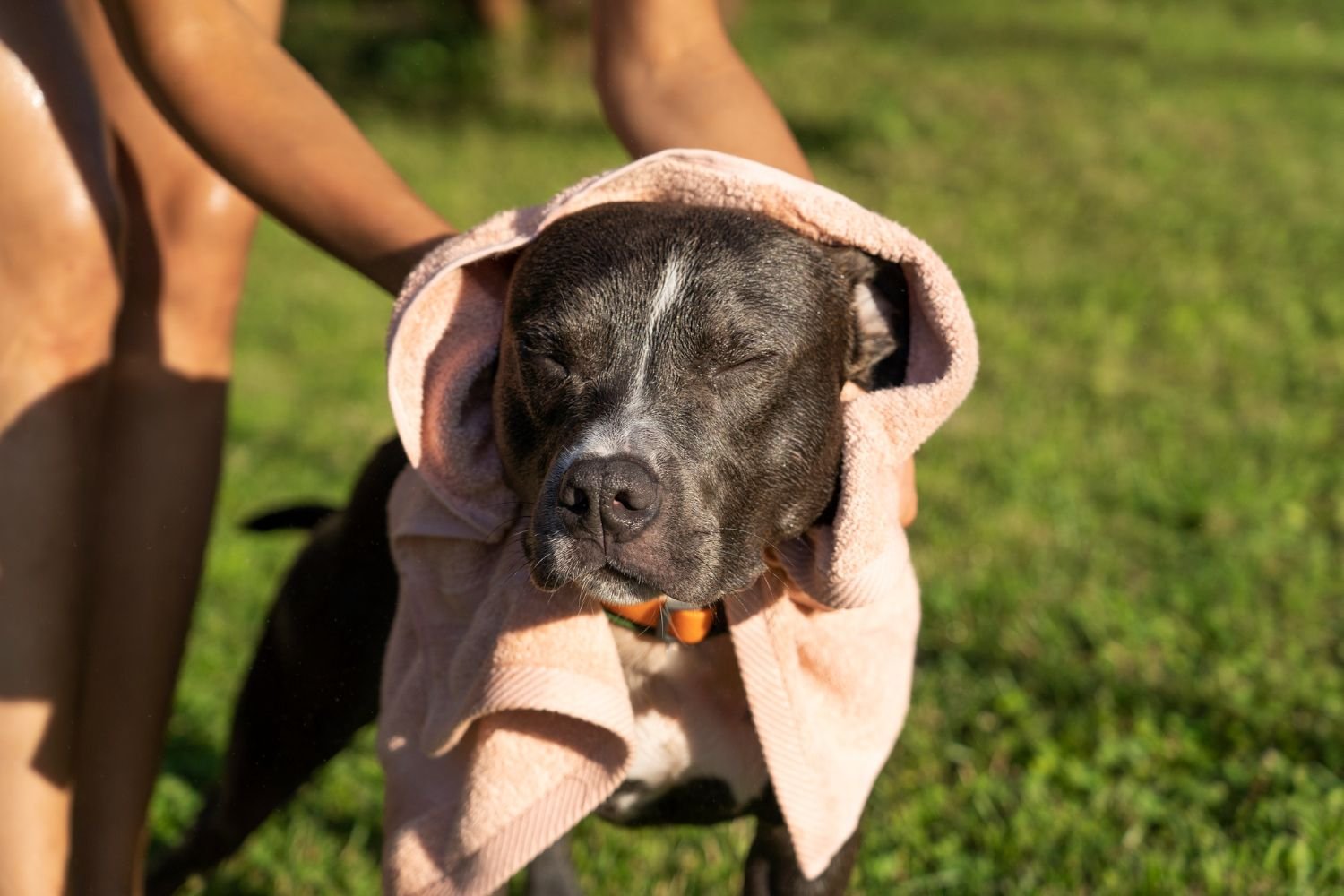
Dry your dog thoroughly afterward. Moisture trapped against the skin, particularly in dense coats, can contribute to skin irritation and may increase the risk of hot spots in susceptible dogs. Towel dry followed by a blow-dry (on a low, cool setting) ensures the coat is completely dry.
Letting Mats Develop in the Summer Coat
Summer shedding often leaves loose undercoat trapped in the topcoat, which quickly turns into mats. Once mats form, they pull on the skin and create discomfort with every movement.
Why Mats Are More Than a Cosmetic Issue
Mats aren’t just unsightly — they can be painful and irritating. They can pull on the skin, restrict airflow, and make it harder to keep the underlying area clean and dry. Underneath a mat, moisture and debris can accumulate, contributing to skin irritation and potentially increasing the risk of skin problems such as hot spots. In severe cases, tightly packed mats can pull on the skin, trap moisture and debris, and contribute to significant skin irritation or injury.
Preventing Mats Before They Form
Brush more frequently in summer. For dogs with long or double coats, more frequent brushing during shedding periods can help prevent mats from forming. The ideal frequency depends on the dog’s coat type, density, and tendency to tangle. Pay attention to high-friction areas — behind the ears, around the collar, under the armpits, and on the hindquarters.
Removing Mats Safely
For small, loose mats that can be safely worked through, a suitable detangling product and gentle grooming may help. For mats that are tight, extensive, or close to the skin, professional grooming is safer than attempting home removal.
Neglecting Face and Sanitary Area Trims
While a full-body shave is rarely a good idea, certain areas genuinely benefit from a summer trim.
Why These Areas Need Attention
Long hair around the mouth can trap moisture, food debris, and saliva, making the area harder to keep clean and potentially contributing to skin irritation. Hair around the eyes can irritate the eyes and obstruct vision. Excess hair around the sanitary area can collect urine, fecal material, and moisture, which may contribute to irritation and make the area harder to keep clean.
Targeted Trimming for Comfort
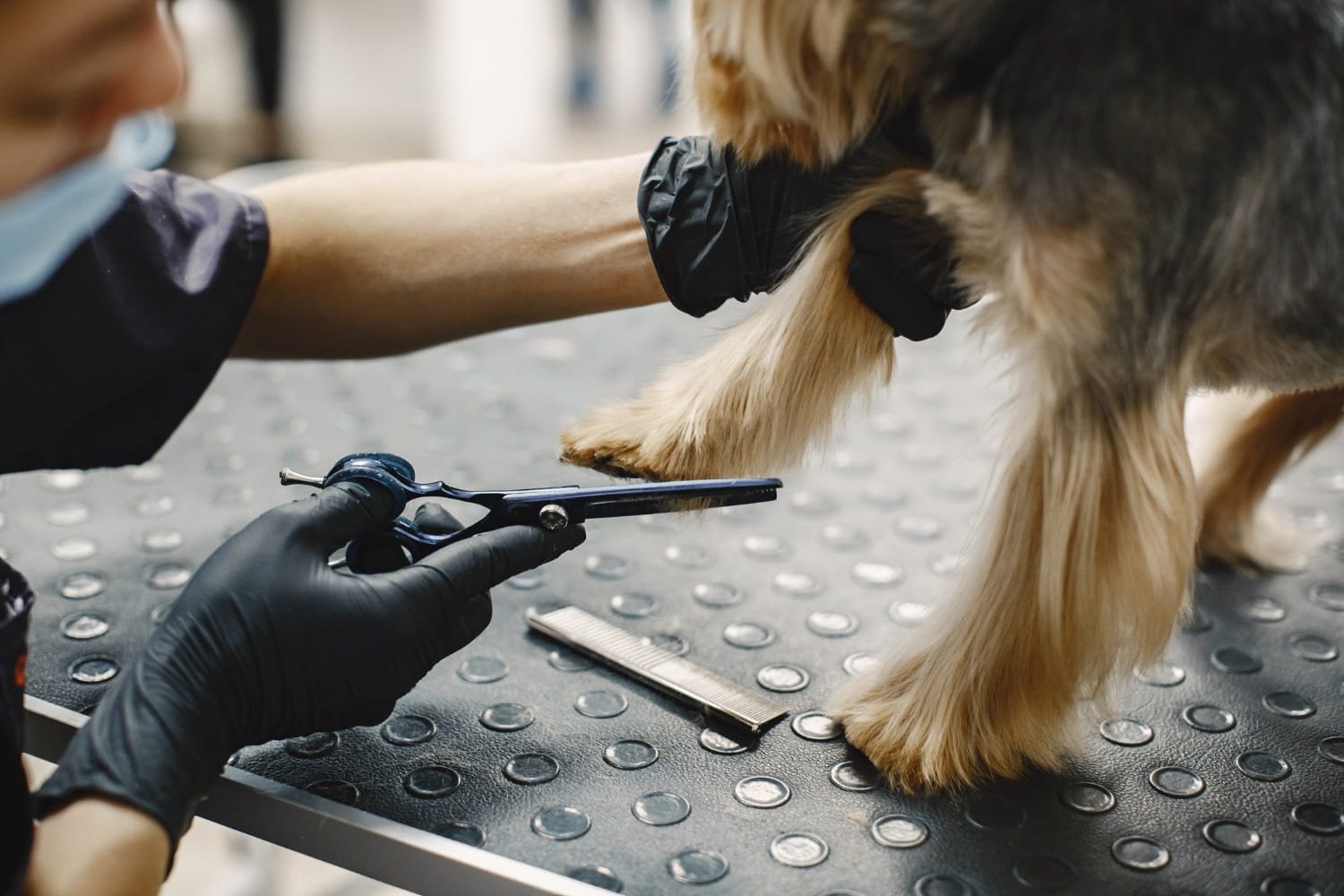
Keep specific areas trimmed with a light trim around the face, eyes, and sanitary areas. This improves hygiene and comfort. This is best done by a professional groomer who knows exactly where and how much to trim.
For dogs with long facial hair, keeping the area around the mouth clean and appropriately trimmed can make routine hygiene easier.
Walking at the Wrong Time of Day
This may not be a “grooming” mistake in the traditional sense, but it directly affects your dog’s skin and paw health.
When Heat Becomes Dangerous
The hottest part of the day can vary with location, season, weather, and surface conditions, so avoid relying on a fixed clock time alone. Pavement can become dangerously hot during periods of strong sunlight and high temperatures, increasing the risk of paw-pad burns and heat stress. The reflected UV radiation from pavement and sand also increases sun exposure to vulnerable skin.
Timing Your Walks Better
Shift walks to cooler parts of the day, such as early morning or later in the evening, when temperatures and pavement are less likely to be dangerously hot. On extremely hot days, keep outdoor activity brief and prioritize bathroom breaks, shade, water, and cooler conditions rather than following a fixed walking duration.
Before any walk, check the pavement with the back of your hand. If you cannot comfortably keep your hand on the surface for about 10 seconds, treat it as a warning that the surface may be too hot for your dog and choose a cooler route or wait for cooler conditions.
Pro Tip: Start Your Summer Grooming Routine Early
The best way to avoid summer grooming problems is to establish a consistent routine before the heat hits. Dogs who are already used to regular brushing, ear cleaning, and paw care are much easier to maintain through summer months. Start early, be consistent, and your dog will be better prepared for a comfortable summer.
Frequently Asked Questions
Is it ever okay to shave a double-coated dog in summer?
In most cases, double-coated dogs should not be shaved simply to keep them cool. Shaving may sometimes be necessary for medical procedures or severe matting when the coat cannot be safely managed otherwise. In those situations, professional or veterinary guidance is appropriate.
How often should I bathe my dog in summer?
Many dogs do well with bathing every few weeks to about once a month, but the right schedule depends on the dog’s coat, lifestyle, and skin condition.
What’s the best way to keep my dog’s paws cool on hot walks?
Walk during cooler hours, use paw wax as a protective barrier, and consider breathable booties. After walks, rinse paws with cool water and apply a moisturizing balm.
Can I use baby shampoo on my dog in summer?
No. Baby shampoo is formulated for human skin, which has different needs from a dog’s skin. It can disrupt the skin barrier and contribute to dryness or irritation. Always use shampoo made specifically for dogs.
How do I know if my dog’s ears are infected?
Signs include head shaking, scratching at the ears, redness, swelling, odor, or discharge from the ear. If you notice any of these, consult your veterinarian rather than trying to treat it yourself.
Final Thoughts
Summer grooming mistakes usually come from good intentions — you want to keep your dog cool, clean, and comfortable. The problem is that what feels logical (shaving, bathing frequently) often works against your dog’s natural design.
The good news is that avoiding these mistakes is straightforward. Brush regularly, use the right tools, bathe moderately, and pay attention to paws and ears. These simple habits keep your dog comfortable through the hottest months and prevent problems that can take weeks to resolve.
Your dog’s summer comfort depends on grooming choices you make every day. Small, consistent efforts add up to a more comfortable season for both of you.