
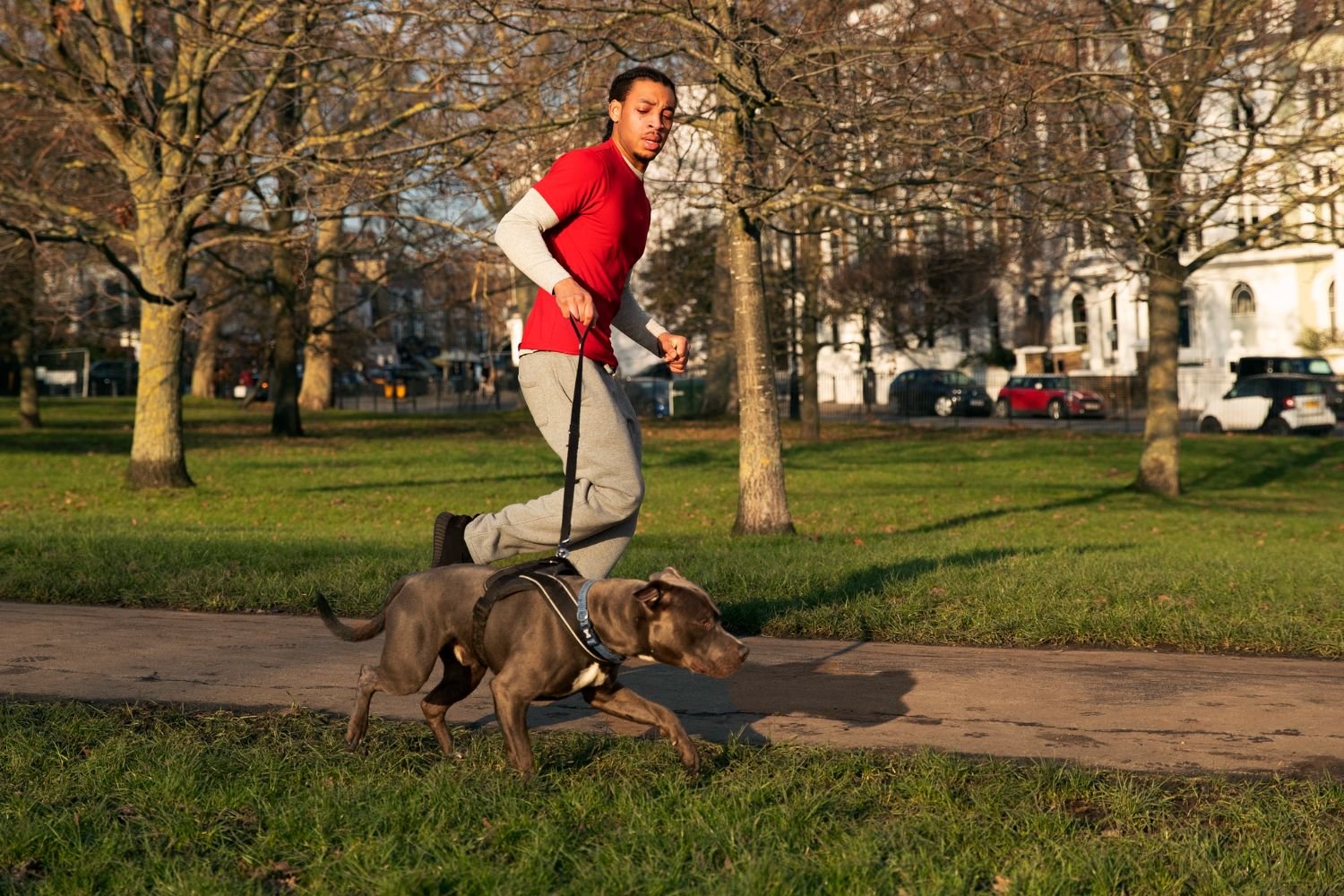
You step outside for a peaceful walk with your dog. Within seconds, they are lunging at the end of the leash, barking at another dog across the street, or pulling so hard you feel like your arm might dislocate.
For many dog owners, this is not an occasional frustration. It is a daily reality. Behavioral challenges such as fear, anxiety, reactivity, and excessive barking are common concerns among dog owners. These behaviors are among the most common reasons owners seek professional help.
The good news? Our understanding of dog training has evolved significantly. Older approaches that emphasized dominance and punishment are increasingly being replaced by reward-based methods that focus on teaching appropriate behaviors and understanding the reasons behind unwanted behavior. At Best Pet Mate, we believe in training methods that strengthen your bond with your dog — not damage it.
This guide explores the most common dog behavior challenges — leash pulling, excessive barking, and anxiety — and the training trends that are actually helping dogs and their owners find relief.
The Scale of the Problem: Why So Many Dogs Struggle
Behavioral problems are one of the reasons some owners relinquish dogs to shelters and rescue organizations. Research has found that behavior-related relinquishment can represent a substantial share of cases, although the proportion varies by shelter, region, and the population being studied.
The good news is that awareness is growing. More pet owners are seeking professional guidance when behavioral problems become difficult to manage. At the same time, digital training resources are making it easier for owners to access educational materials and professional guidance without always attending an in-person class.
For many owners, a core shift in philosophy has made the difference: moving from a dominance-based mindset to one rooted in understanding and meeting a dog’s emotional needs. This is where the most effective modern training trends take root.
Trend 1: Positive Reinforcement Is a Widely Recommended Training Approach
Positive reinforcement has become a widely used approach to dog training. Veterinary behavior organizations such as AVSAB recommend reward-based methods for both everyday training and behavior modification.
How It Works
Positive reinforcement means rewarding desired behaviors rather than punishing unwanted ones. This approach is rooted in behavioral science. Rewarded behaviors are more likely to be repeated. Punished behaviors may be suppressed temporarily, but they often resurface in other forms.
Clicker training is one way to use positive reinforcement. The click acts as a marker for the behavior you want to reinforce, followed by a reward. This can help communicate to your dog exactly which behavior earned the reward.
The “Gentle Parenting” Effect
Positive reinforcement has also become more familiar to pet owners as information about reward-based training has become more widely available. The approach emphasizes teaching desired behaviors and building positive associations rather than relying on fear or punishment.
Behavior experts welcome this trend. Carolyn Menteith, a dog behaviorist, points out that “we live with dogs as part of our families in a way we never have before”. This closer bond has encouraged owners to seek methods that build trust rather than fear.
Trend 2: Front-Clip Harnesses Can Make Leash Training Easier
For dogs who pull strongly, a properly fitted harness can be a useful management tool and may make leash handling easier. Front-clip harnesses can help redirect a dog’s movement when they pull, but they should be used alongside loose-leash training rather than as a replacement for it.
Why Front-Clip Harnesses Can Help
Front-clip harnesses attach the leash to a point on the dog’s chest rather than the back. Depending on the design and fit, this can make it easier for the handler to manage forward pulling and redirect the dog. A harness does not teach loose-leash walking by itself, however. Rewarding your dog for walking near you and gradually practicing around distractions remain important parts of training. Make sure any harness fits properly and allows comfortable, unrestricted movement.
Trend 3: Treating the Root Cause — Not Just the Symptom
Perhaps one of the most important shifts in dog training is recognizing that unwanted behaviors such as barking and leash pulling can have different underlying causes, including fear, anxiety, frustration, excitement, environmental triggers, or a lack of training.
Why Fear Drives Reactive Behavior
When a dog barks, lunges, or pulls, the behavior can have different causes. Fear, anxiety, frustration, excitement, environmental triggers, and a lack of training can all play a role. Understanding what is driving the behavior helps determine which training approach is appropriate. Certified trainer and animal behaviorist Zazie Todd emphasizes that fear is often the driving force behind reactive behavior.
Modern training approaches focus on identifying and addressing the root cause of fear rather than simply suppressing the behavior.
Common Fears in Dogs
Dogs can develop fear or anxiety around a range of situations, including loud noises, separation from their owners, unfamiliar dogs or people, visitors, and veterinary visits. The specific triggers vary from dog to dog, so identifying what consistently causes the response is an important part of choosing an appropriate behavior-modification approach.
Practical Approaches to Addressing Fear
Behavior modification typically combines multiple strategies: creating a safe environment for the dog; gradual exposure to triggers paired with positive reinforcement; teaching relaxation protocols; and, in severe cases, consulting a veterinarian or veterinary behaviorist about medication.
Trend 4: Digital Training Tools Are Making Help More Accessible
Technology has entered the dog training world, and it is proving to be a game-changer. Digital training resources are becoming another way for owners to access training lessons, demonstrations, progress tracking, and professional guidance. Pet behavior modification apps, live virtual trainer sessions, and hybrid models are now widely available.
How Digital Training Helps
These platforms offer self-guided digital modules, live virtual trainer sessions, hybrid training, and progress tracking. They also provide access to professional trainers for owners in remote areas, making help more accessible and affordable.
Pro Tip: Force-Free Does Not Mean Structure-Free
Reward-based training does not mean allowing unwanted behavior without guidance. Dogs still benefit from clear routines, consistent boundaries, appropriate environmental management, and reinforcement of behaviors you want to see.
The goal is to teach your dog what to do rather than relying on fear, pain, or punishment. For persistent or difficult behavior problems, a qualified trainer or veterinary behavior professional can help create a structured plan based on your dog’s individual needs.
Frequently Asked Questions
What causes my dog to pull on the leash?
Pulling can have several causes, including excitement, frustration, environmental distractions, anxiety, or simply not having learned loose-leash walking. Start training in a low-distraction environment and reward your dog for staying near you before gradually increasing distractions.
Do front-clip harnesses really stop pulling?
Not by themselves. A front-clip harness can help manage pulling and make it easier to redirect your dog, but loose-leash walking still needs to be taught through consistent training and reinforcement.
How can I stop my dog’s anxiety barking?
Anxiety barking is often a symptom of fear or stress. It is important to identify the trigger and address the root cause. Behavior modification programs that include professional help and, in some cases, medication, are often recommended.
What training approach can help a dog with anxiety?
Reward-based training combined with behavior modification can help address anxiety, but the right plan depends on what is causing the dog’s fear or stress. For severe or persistent anxiety, consult a veterinarian or veterinary behaviorist. Medication may sometimes be part of a broader treatment plan.
Final Thoughts
Leash pulling, barking, and anxiety are not signs that your dog is “bad” or “stubborn.” They are signs that your dog is struggling to cope with something in their environment. The good news is that modern training tools — from positive reinforcement and front-clip harnesses to digital training platforms and professional behaviorists — offer more help than ever before.
Remember: force-free does not mean boundary-free. The most effective training combines empathy with structure, kindness with guidance. And with patience and the right approach, even the most anxious or reactive dog can find relief.