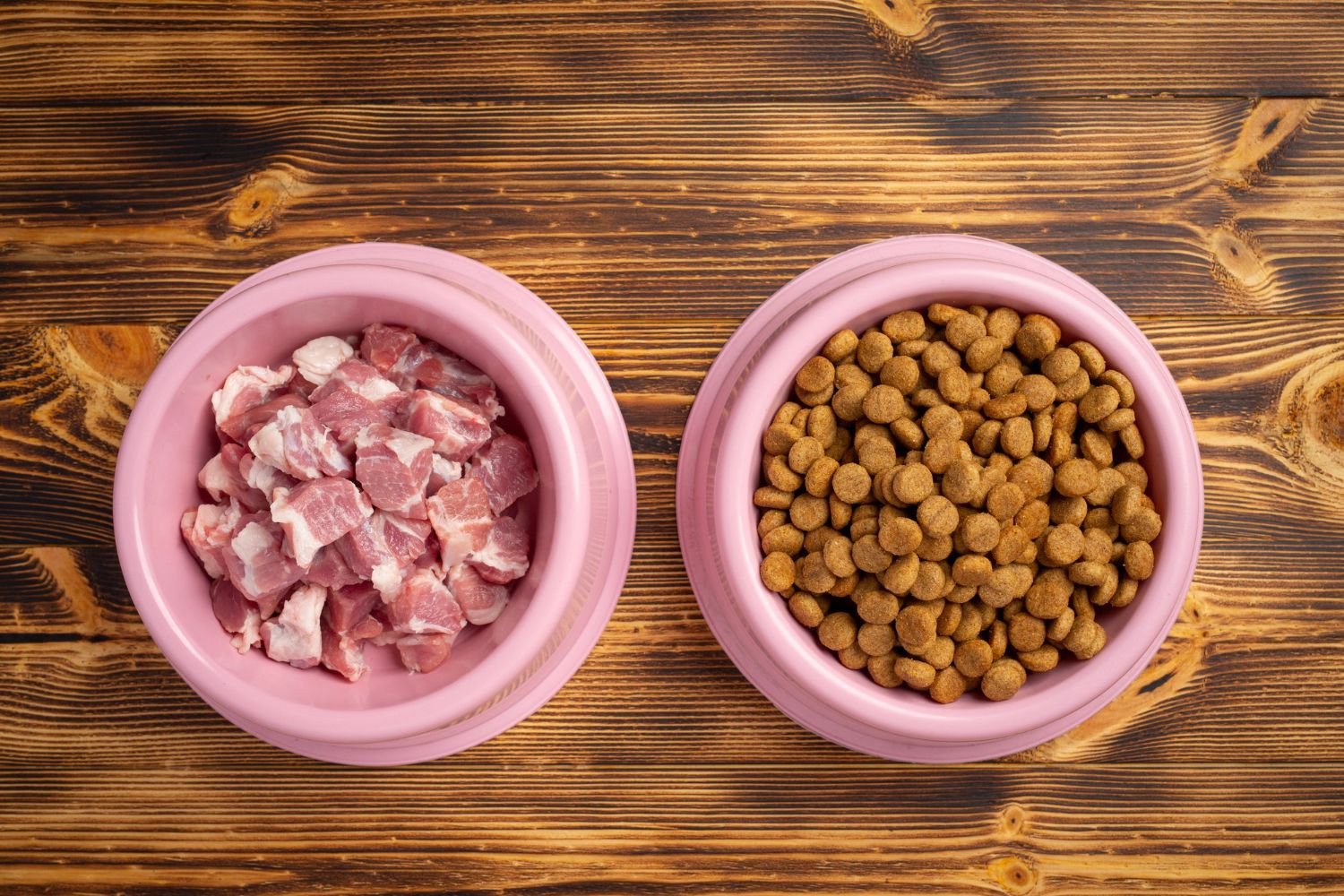
Fresh and refrigerated dog foods have become increasingly visible in the pet food market, alongside traditional kibble. For many owners, the appeal is tied to ingredient preferences, convenience, palatability, and the way they think about their dogs as family members.
Walk down the pet food aisle, and you will see words you are used to finding in the human health food section: “human-grade,” “whole foods,” and “non-GMO”. This reflects a broader trend often described as the “humanization” of pets, in which owners increasingly view their dogs as members of the family and apply some of their own food preferences to pet-care decisions.
This emotional shift has profound consequences. If you are trying to eat cleaner, unprocessed foods, it is a short leap to wanting the same for your beloved companion. Pet owners, particularly Millennials and Gen Z, are applying their own wellness values to their pets’ bowls. They are scrutinizing ingredient labels, asking questions about processing and ingredients, and looking for foods that align with their preferences.
At Best Pet Mate, we believe in helping you make informed choices. This guide explores the fresh food vs. kibble debate — what is driving the shift, what vets say, and whether fresh food is the right choice for your dog.
What Exactly Is Fresh Dog Food?
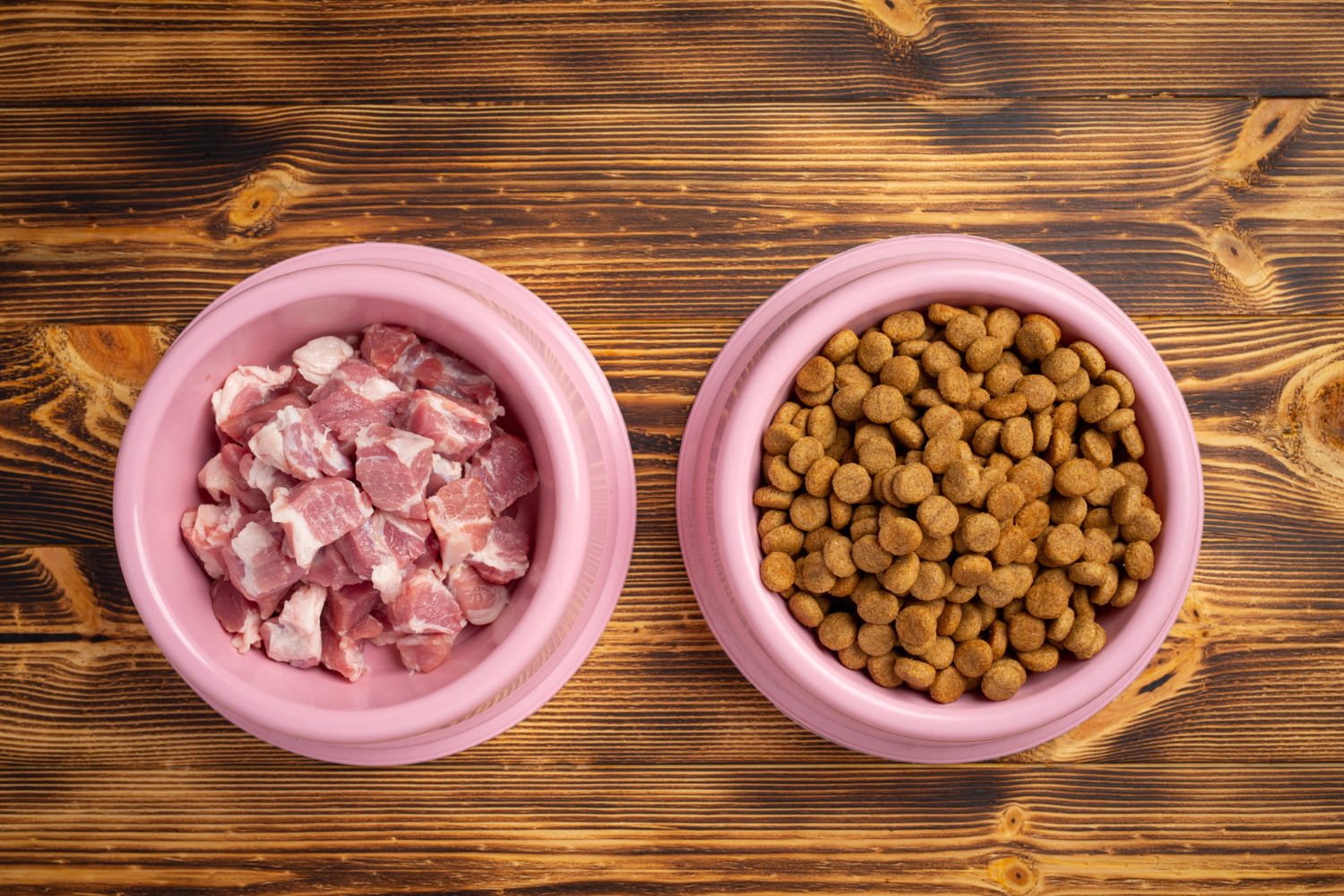
Fresh dog food typically means meals made with whole, recognizable ingredients that are gently cooked and minimally processed. Unlike many dry kibbles, which are commonly produced through extrusion, fresh-food products can use different preparation and preservation methods, including cooking followed by refrigeration or other processing approaches. The exact method varies by product.
Common fresh food formats include:
- Refrigerated fresh food: Gently cooked meals sold in logs or pre-portioned packs. Requires refrigeration and usually comes via subscription services.
- Shelf-stable fresh food: Slow-cooked, visible-ingredient formulations sealed in pouches. Lives in the pantry until opened, then behaves like fresh food.
- Freeze-dried or air-dried: Minimally processed raw or lightly cooked ingredients dehydrated for storage. Rehydrated with water at feeding time.
Many fresh or refrigerated dog foods contain substantially more moisture than dry kibble. For example, a 2025 study comparing a 71%-moisture fresh food with a 6%-moisture dry diet found a significant difference in total daily water intake. This higher moisture content is one of its biggest advantages.
Why Millennials and Gen Z Are Making the Switch
The Humanization Trend
Younger pet owners treat their dogs as family members. Packaged Facts survey data shows that 31% of pet owners regularly include human foods in their pets’ diets — and this practice is even more pronounced among younger owners. 32% of Gen Zers and 24% of Millennials regularly prepare human-ingredient foods for their pets, compared to just 17% of Gen Xers or Boomers.
Scrutiny of Ingredients
Concerns about commercial pet food have been simmering for years. Some pet owners also have concerns about ingredients, processing methods, preservatives, and the terminology used on pet food labels. However, an ingredient’s presence alone does not determine whether a complete diet is nutritionally appropriate. The overall formulation, nutrient balance, life-stage suitability, and nutritional adequacy statement are important factors to consider.
The Wellness Connection
The same person who seeks out organic vegetables for themselves now asks why their pet’s food should be any different. Some pet food shoppers associate whole-food ingredients and fewer artificial ingredients with healthier choices for their pets, although those perceptions do not by themselves establish nutritional superiority.
What the Science Says: Fresh Food and Kibble
Hydration
Fresh food’s higher moisture content can significantly increase your dog’s total daily water intake. A 2025 study published in the Journal of Animal Science found that dogs fed a fresh, human-grade food (71% moisture) consumed significantly more total water daily compared to dogs fed dry kibble (6% moisture). The fresh-fed dogs exceeded their minimum hydration requirements (141% vs 102% for kibble-fed dogs).
This increased hydration can be important for certain disease states that may predispose a dog to increased water loss, such as cancer, diabetes, or renal disease.
Better Digestion and Palatability
Digestibility can vary between individual diets and formulations. Some studies have reported differences in digestibility or fecal characteristics between fresh and extruded diets, but these findings should not be generalized to every fresh food or every kibble. Some dogs may find certain fresh-food formulations more palatable, but individual preferences vary and palatability does not necessarily depend on whether a food is fresh or dry.
Skin and Coat Health
Skin and coat health depend on adequate nutrition, including sufficient essential nutrients such as protein and essential fatty acids. However, these nutrients can be supplied by properly formulated diets in different formats, so a fresh-food format by itself does not establish better skin or coat health.
Vetstreet – Fresh Dog Food vs Kibble: What Vets Recommend
Both fresh food and kibble can be nutritionally complete when properly formulated. The important question is whether the specific product provides complete and balanced nutrition for your dog’s species and life stage. Two products can both meet nutritional adequacy requirements while still differing in ingredients, calorie density, moisture, nutrient levels, and other characteristics.
Where Kibble Still Wins
Cost
Kibble is generally less expensive per calorie than many fresh-food products, although the difference varies substantially by brand, recipe, dog size, and daily calorie requirements. Fresh diets can also involve refrigeration, delivery, or subscription costs.
Convenience and Shelf Life
Kibble is the definition of “scoop and serve.” No fridge space, no defrosting, no subscription schedule. Sealed kibble is stable for 12+ months; opened kibble typically stays fresh for 30 to 45 days in a sealed container.
Therapeutic Diets
Many veterinary therapeutic diets for conditions such as kidney, liver, urinary, or certain gastrointestinal problems are available in specific veterinary formulations, commonly as dry or canned foods. For dogs with medical conditions, the diet should be selected with veterinary guidance rather than based solely on whether it is marketed as fresh.
Dental Support
Some specific dry dental diets have earned the VOHC Seal of Acceptance for plaque and/or tartar control. The benefit applies to the specific accepted product and should not be assumed for ordinary kibble.
Key Considerations for Both Options
For Fresh Food
- Check the nutritional adequacy statement: Ensure the product is labeled as complete and balanced for your dog’s life stage.
- Storage: Fresh food requires refrigeration and careful handling to prevent spoilage.
- Cost: Be prepared for higher daily feeding costs compared to kibble.
For Kibble
- Ingredient quality: Check whether the food is complete and balanced for your dog’s species and life stage, and review the nutritional adequacy statement and feeding directions on the label.
- Hydration: Kibble’s low moisture means your dog needs adequate fresh water access at all times.
Pro Tip: Consult Your Vet Before Switching
One important risk when switching to a fresh-food diet is nutritional imbalance. Dogs have specific, complex dietary needs that differ from humans. A diet lacking the right ratio of protein, fats, calcium, phosphorus, and essential vitamins can lead to serious health problems over time, from brittle bones to organ damage.
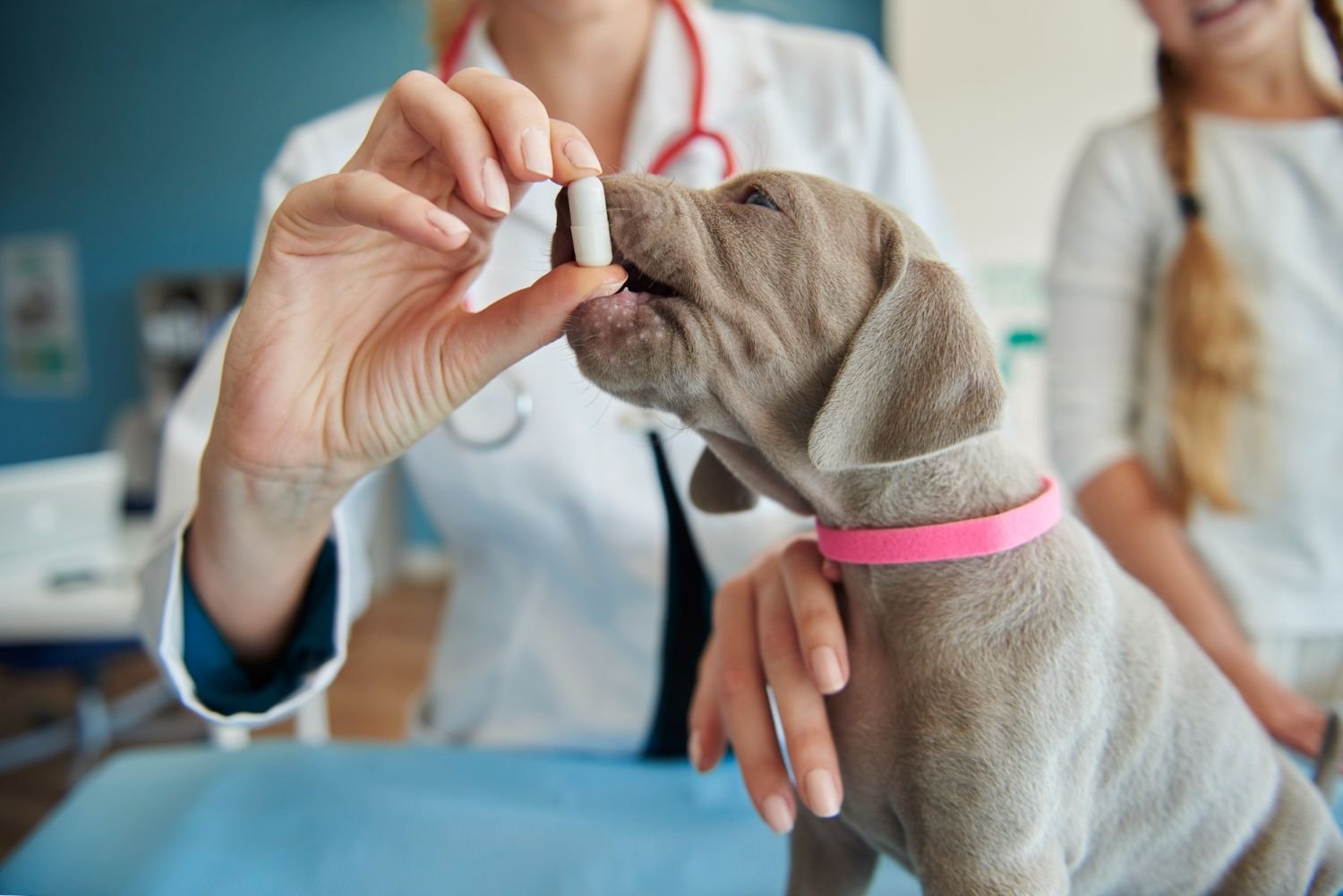
Before you switch: If you’re considering a fresh food diet, the first and most crucial step is to consult your veterinarian. They can assess your dog’s specific health needs, age, and activity level to recommend a suitable diet.
Frequently Asked Questions
Is fresh dog food better than kibble?
Fresh food can offer higher moisture and may be more appealing to some dogs, but neither the fresh format nor kibble format is automatically better for every dog. The priority is a complete and balanced diet appropriate for the dog’s life stage, health needs, and individual circumstances. However, a high-quality kibble can be equally nutritious for a healthy adult dog. The key is choosing a product with an appropriate nutritional adequacy statement for your dog’s life stage.
Why are Millennials and Gen Z switching to fresh food?
Younger pet owners apply their own wellness values to their pets. They scrutinize ingredient labels, avoid artificial additives, and seek out foods that look like real food rather than processed pellets.
Is fresh food more expensive than kibble?
Fresh food often costs more per calorie than kibble, although the difference varies substantially by brand, recipe, dog size, and daily calorie requirements. Fresh diets can also involve refrigeration, delivery, or subscription costs. Comparing the cost per day or per calorie is more useful than comparing package prices alone.
Does fresh food help with hydration?
Fresh foods generally contain substantially more moisture than dry kibble. In a 2025 study of 10 adult Beagles, the dogs fed a 71%-moisture fresh diet consumed significantly more total water per day than when fed a 6%-moisture dry diet. The study was small, so its findings should not be assumed to apply identically to every dog or food.
Can I feed my dog a homemade fresh food diet?
Yes, but it requires careful planning. Consult your veterinarian or a veterinary nutritionist to ensure the diet is complete and balanced. A poorly planned homemade diet can lead to serious nutritional deficiencies.
Final Thoughts
Interest in fresh and minimally processed pet food has grown alongside broader changes in how many owners think about their pets and their diets. Market research has documented stronger interest in human-ingredient and fresh foods among younger pet owners, although purchasing preferences vary considerably.
Fresh food can offer advantages such as higher moisture, and some dogs may find particular fresh-food formulations more palatable. Digestibility varies between individual diets and formulations, so a fresh format is not automatically more digestible than kibble. Kibble remains a convenient, affordable, and nutritionally sound option for many dogs. The “best” diet is one that is complete and balanced for your dog’s specific needs, fits your budget, and works for your lifestyle.
If you are curious about fresh food, start by asking your veterinarian. They know your dog’s health history and can help you make an informed choice.