
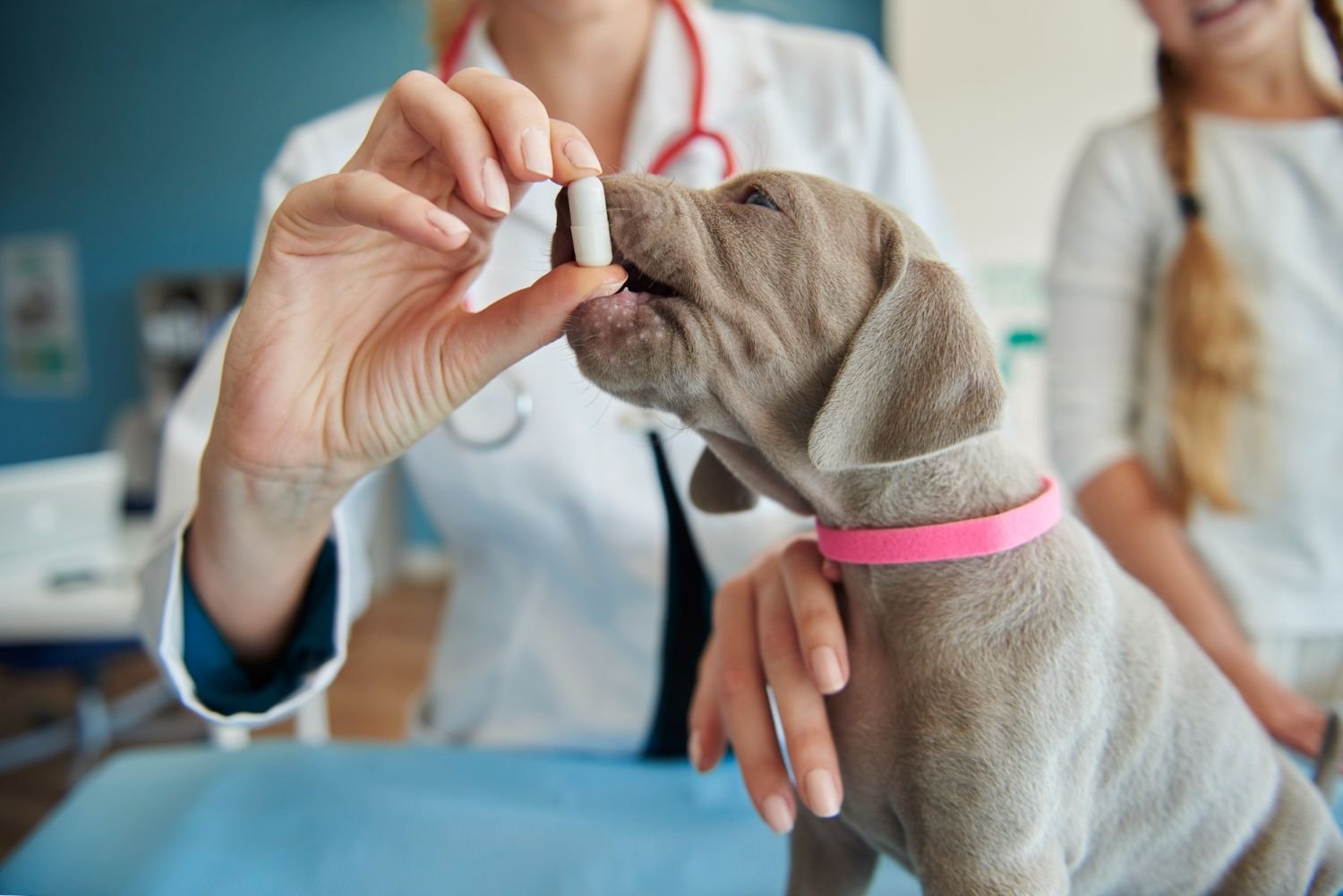
You have probably seen them at the pet store — colourful bottles labelled “probiotics,” “microbiome support,” and “digestive health” lining the shelves. Maybe your vet has mentioned them. Or perhaps a fellow dog owner at the park swears they cured their dog’s itchy skin.
Gut health supplements for dogs have become increasingly visible in the pet-care market, reflecting growing interest in canine gut health. But popularity does not necessarily mean that every dog needs a probiotic.
Before you add another supplement to your dog’s bowl, it is worth understanding what the science actually says. At Best Pet Mate, we believe in informed choices — not just following trends. This guide breaks down what probiotics are, what they can and cannot do for your dog, and how to decide if they are the right fit.
What Exactly Are Dog Probiotics?
Probiotics are live microorganisms that can provide health benefits when consumed in adequate amounts. Think of them as beneficial microorganisms that can interact with your dog’s gut microbiome — the complex community of microorganisms living in the digestive tract.
A healthy gut microbiome helps with digestion, nutrient absorption, and immune function. Gut microbes can produce short-chain fatty acids and other metabolites that interact with the intestinal environment and immune system. Researchers are also studying how these microbial products may be connected with health beyond the digestive tract, including skin health. When this microbial community becomes imbalanced — a state called dysbiosis — problems can arise.
Common Probiotic Strains for Dogs
Research has identified several probiotic strains that show promise for canine health:
- Lactobacillus acidophilus — Has been studied in canine probiotic research, including research examining changes in the gut and skin microbiota.
- Lactobacillus casei — Has been included in some canine probiotic formulations studied for digestive health.
- Enterococcus faecium — Certain strains have been studied in dogs, including research involving stool quality and digestive health.
- Saccharomyces cerevisiae — Certain preparations have been studied for their potential effects on antibiotic-associated changes in the canine gut microbiota.
- Bifidobacterium species — Some species have been investigated for their effects on canine gut microbiota and digestive health.
What the Science Says: Potential Benefits and Current Evidence
Research on canine probiotics has grown in recent years. Studies are exploring their potential effects on digestive health, the gut microbiota, and other areas of canine health.
NIH/PubMed – https://pubmed.ncbi.nlm.nih.gov/41217655/ A 2025 study published in Veterinary Research Communications used PacBio long-read sequencing to evaluate the effects of daily oral probiotic and postbiotic supplementation (ODPPS) on the gut and skin microbiota of dogs. By Day 90, fecal microbiota composition had shifted significantly, with increased beneficial bacteria by Day 30 and further by Day 90. In both axillae and fecal microbiota, supplementation increased the relative abundance of beneficial species including Lactobacillus acidophilus, Lactobacillus johnsonii, and Limosilactobacillus reuteri. A significant positive correlation was found between skin and fecal microbiota (p = 0.05), suggesting a coordinated microbial response across body sites. The researchers reported changes in both skin and gut microbiota following daily oral probiotic and postbiotic supplementation, suggesting a possible connection between the two microbial environments. Further research is needed to determine how these microbiome changes translate into clinical health benefits.
When Probiotics May Actually Help Your Dog
Probiotics are not a cure-all. Some specific probiotic preparations have shown potential benefits in particular situations, but results vary by strain, product and condition.
After Antibiotic Treatment
Antibiotics can disrupt the gut microbiome by altering populations of both harmful and beneficial microorganisms. Research on yeast probiotic Saccharomyces cerevisiae has shown it can help attenuate the dysbiosis caused by oral metronidazole. A 2025 study found that dogs supplemented with the yeast probiotic had significantly different microbiota at the end of antibiotic treatment, and the probiotic group also showed a remarkable decrease in TNF-α, an inflammatory marker.
For Dogs with Digestive Issues
If your dog experiences digestive problems such as diarrhea or inconsistent stool quality, some specific probiotic products have shown benefits in clinical studies. However, results vary between products and conditions, and recurrent digestive symptoms should be evaluated by a veterinarian rather than treated with supplements alone. Laboratory and canine studies have examined specific probiotic strains for their effects on potentially harmful intestinal microorganisms. However, these findings are specific to the strains and products studied and should not be interpreted as evidence that all probiotic supplements inhibit pathogens such as Salmonella or E. coli.
For Dogs with Skin Problems
Research into the gut-skin connection in dogs is growing, and some studies have reported potentially beneficial effects of specific probiotic preparations in dogs with atopic dermatitis. However, the evidence remains mixed, and probiotics should be considered an adjunct rather than a proven treatment for skin disease. The 2025 study mentioned above found that daily oral probiotic and postbiotic supplementation was associated with changes in both skin and gut microbiota, including increases in several Lactobacillus species.
For Dogs Under Stress
Stress can impact the gut microbiome. Research is also exploring whether probiotic preparations may influence how dogs respond to stress, but evidence of a direct clinical benefit for anxiety or travel-related stress is still limited. A 2023 study found that dogs supplemented with a Lactobacillus fermentation product showed a greater increase in serum superoxide dismutase after transport stress, suggesting protection against oxidative damage.
What Probiotics Cannot Do?
It is equally important to understand the limitations.
Not a Replacement for a Balanced Diet
Probiotics are supplements, not solutions. They cannot fix a poor-quality diet. A complete and balanced diet should always come first. Think of probiotics as one piece of the puzzle, not the whole picture.
Not a Quick Fix
The time needed to see an effect can vary depending on the probiotic product, strain, condition being studied, and individual dog. Do not expect an immediate result.
Not All Strains Are Equal
Different probiotic strains do different things. The strain matters as much as the product itself. Not all commercial probiotic products have been tested in clinical trials. Choosing a product with researched strains is important.
Not a Substitute for Veterinary Care
If your dog has chronic health issues, consult your veterinarian first. They can help identify underlying causes and recommend appropriate interventions.
How to Choose a Probiotic for Your Dog
If you decide to try probiotics, consider these factors.
Look for Researched Strains
Check the label for specific strains. A product simply listing “probiotic blend” without identifying the specific microorganisms or strains offers less transparency than one that provides this information.
Some strains with promising research:
- Lactobacillus acidophilus
- Lactobacillus casei
- Enterococcus faecium
- Saccharomyces cerevisiae
- Bifidobacterium species
Consider the Delivery Format
Probiotics come in different forms, including powders, capsules, chews and liquids. Rather than choosing a product based on its format alone, check the label for the specific strains, storage requirements, expiry date and manufacturer’s instructions. Soft chews are convenient, but check the strain and CFU count.
Check Expiry Dates
Probiotics contain live organisms. Expiry dates matter. A product past its expiration date may not deliver the promised benefits.
Consult Your Veterinarian
This is especially important if your dog has underlying health conditions, or if you are considering probiotics for a puppy, senior, or immune-compromised dog.
Pro Tip: Start Slowly
If your veterinarian recommends a probiotic, follow the product’s dosing and administration instructions. Some dogs may experience temporary digestive changes when starting a new supplement. Monitor your dog and contact your veterinarian if symptoms are persistent, severe, or concerning.
Frequently Asked Questions
What are dog probiotics and how do they work?
Dog probiotics are live microorganisms that, when administered in adequate amounts, are intended to provide a health benefit. Many are bacteria, while some probiotic products use yeasts. Depending on the strain and product, probiotics may influence the composition or activity of the gut microbiome, support digestive health, and potentially affect other aspects of health. Research into connections between the gut microbiome and skin health is still developing.
Can probiotics help with my dog’s itchy skin?
Some studies suggest that specific probiotic preparations may influence the gut and skin microbiota in dogs. However, research on whether probiotics reliably improve itchy skin or canine atopic dermatitis remains mixed, so they should not be considered a standalone treatment for skin disease.
Are probiotics safe for all dogs?
Many healthy dogs tolerate commonly used probiotic products without major problems, but individual responses can vary.
How long does it take for probiotics to work?
In studies, meaningful improvements typically took several weeks of consistent use. Do not expect immediate results.
What is the difference between probiotics, prebiotics, and postbiotics?
Probiotics are live microorganisms that, when administered in adequate amounts, are intended to provide a health benefit. Prebiotics are substances that are selectively used by beneficial microorganisms and can support their growth or activity. Postbiotics are byproducts of probiotic fermentation that can also provide health benefits.
Final Thoughts
Dog probiotics and gut health supplements are more than a passing trend. The scientific evidence is growing, and consumer interest is following suit.
Some specific probiotic products have shown potential benefits in studies involving dogs with digestive problems or antibiotic-associated changes in the gut microbiota. Research into possible effects on skin conditions is also developing, but the evidence remains mixed. They are not a magic solution for every dog, and their potential benefits can vary depending on the product, strain, condition, and individual dog. They should be viewed as one possible part of a broader approach that includes a balanced diet, appropriate veterinary care, and attention to your dog’s overall wellbeing.
If you are curious about whether probiotics might benefit your dog, start by asking your veterinarian. They know your dog’s health history and can help you make an informed choice.