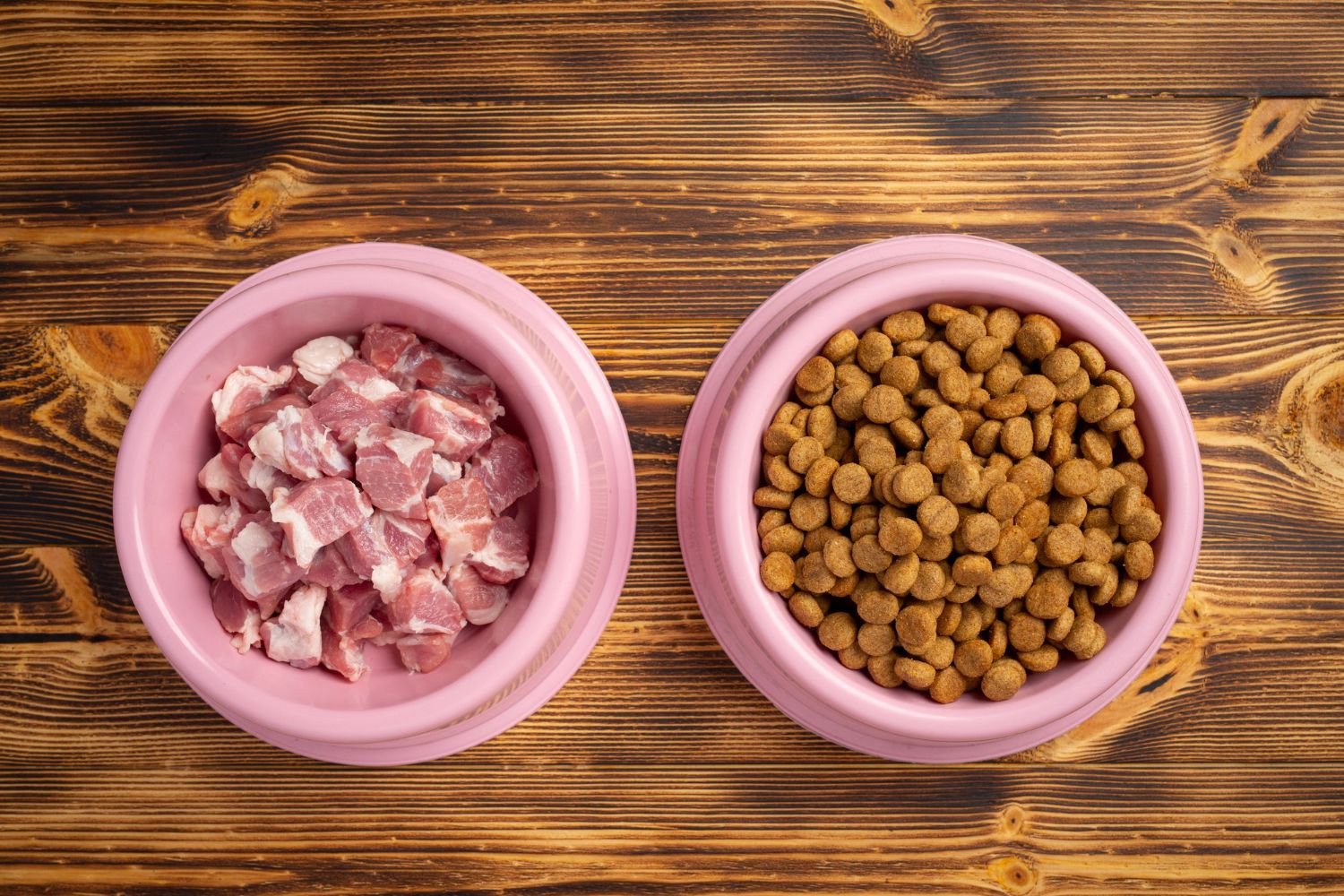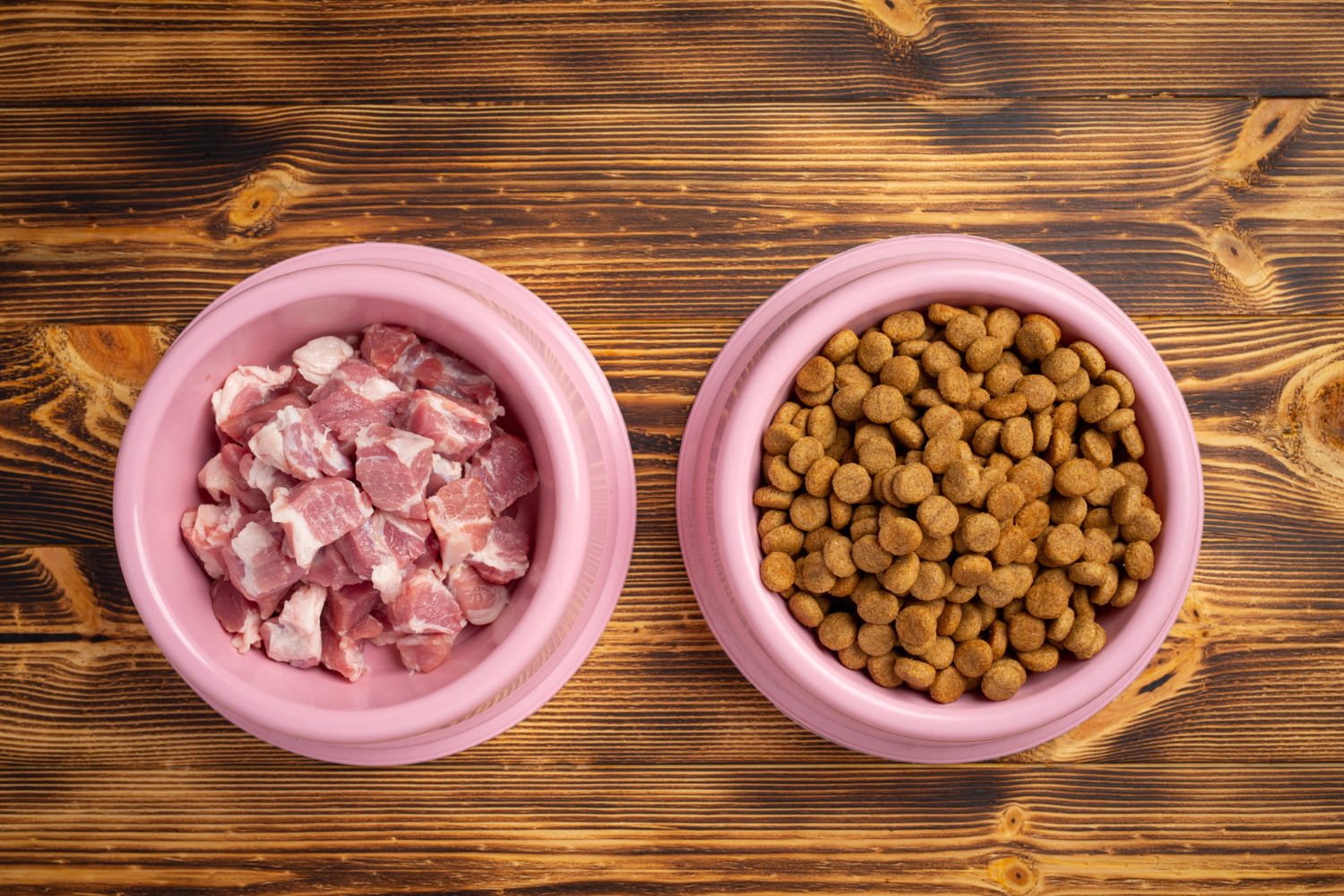

You’re standing in your kitchen, chopping fresh vegetables and portioning out lean chicken breast. The aroma fills the room, and your dog sits patiently by your feet, watching every move with hopeful eyes. You feel good about this — you’re making real food, not serving processed kibble from a bag. It feels healthier, more natural, more loving.
And you’re not alone. More dog owners than ever are turning to homemade diets, driven by concerns about commercial pet food quality, recalls, and a desire to know exactly what goes into their dog’s bowl.
But here’s the question that matters: Is homemade actually healthier?
Homemade diets can be wonderfully nutritious — or dangerously deficient. Whether a homemade diet is nutritionally appropriate depends on how well it is formulated, prepared, and matched to the dog’s individual needs.
Why Pet Owners Are Turning to Homemade
The shift toward homemade dog food didn’t happen in a vacuum. Several factors have pushed owners in this direction.
Loss of Trust in Commercial Pet Food
Major pet food recalls over the years have shaken consumer confidence. When owners see news reports of contaminated food making pets sick, the instinct to take control of their dog’s diet is completely understandable.
The Appeal of “Real Food”
There’s something instinctively right about feeding your dog food you recognize — chicken, rice, carrots, sweet potatoes — rather than a bag of pellets with ingredients you can’t pronounce. It mirrors the clean-eating movement in human nutrition and feels like a natural extension of caring for your dog’s health.
Concerns About Processed Food
Many owners worry about preservatives, artificial colors, and by-products in commercial kibble. The desire to avoid these ingredients leads them to homemade alternatives.
What a Homemade Diet Can Offer
When done correctly, homemade diets have genuine advantages.
Complete Ingredient Transparency
You know exactly what’s in your dog’s bowl. You can see and control the specific ingredients used in the recipe. This is particularly valuable for dogs with confirmed food allergies or sensitivities.
Freshness and Palatability
Freshly prepared food often appeals more to picky eaters. The smell and texture of freshly cooked meat and vegetables may be more appealing to some dogs than dry food.
Control Over Quality
You can choose specific ingredients and protein sources and avoid ingredients your dog does not tolerate well. However, ingredient quality alone does not make a homemade diet complete and balanced. Homemade feeding gives you direct control over the ingredients and preparation, although commercially prepared diets offer their own advantages in consistency and nutritional formulation.
The Hidden Dangers of Getting It Wrong
This is where nutritional concerns become particularly important. The gap between a well-formulated homemade diet and a deficient one is significant — and the consequences can be serious.
Nutritional Imbalances Are Common
According to a study published in the Journal of the American Veterinary Medical Association, 95% of homemade dog diet recipes found online or in books were nutritionally deficient in at least one essential nutrient.
The most common deficiencies include:
- Calcium and phosphorus — Essential for bone health; improper ratios can cause skeletal problems, especially in growing puppies
- Essential fatty acids — Important for skin, coat, and immune function
- Vitamin D — Critical for calcium absorption and bone health
- Vitamin E — An important antioxidant for immune and skin health
- Zinc and other trace minerals — Essential for immune function, wound healing, and skin health
Calcium Deficiency Is Particularly Dangerous
Calcium deficiency in homemade diets is one of the most serious and common errors. Severe calcium deficiency during growth can contribute to rickets and skeletal abnormalities in puppies. In adult dogs, prolonged nutritional imbalances can also affect bone health.
The issue is that calcium supplementation is tricky to get right — too little can contribute to deficiency, while excessive amounts can also cause problems. Homemade recipes may also omit or inadequately specify the supplementation needed to make the diet nutritionally complete.
The Problem with Online Recipes
Studies of homemade dog-food recipes have found that the vast majority fail to provide all essential nutrients in the recommended amounts. This means an online recipe should not automatically be assumed to be nutritionally complete and balanced. Some recipes may also have inappropriate calcium-to-phosphorus ratios or other nutrient imbalances.
This doesn’t mean homemade diets are impossible — it means they require professional formulation.
What Vets See in Practice
Unbalanced homemade diets can lead to nutritional problems, which is why veterinary nutrition organizations recommend professional formulation and monitoring.
Skin and Coat Issues
Some nutritional deficiencies can contribute to changes in skin or coat quality, although these signs can have many other causes. If your dog develops persistent skin or coat problems, a veterinarian can help determine the underlying cause.
Unexplained Weight Loss
The calorie content of homemade meals can vary depending on the ingredients, preparation, and portion sizes. Some dogs lose weight because the food simply doesn’t meet their energy needs. Others gain weight due to excessive fat or carbohydrates.
Developmental Problems in Puppies
Puppies on unbalanced homemade diets can develop serious orthopedic problems. Severe nutritional imbalances during growth can contribute to skeletal abnormalities and other developmental problems in puppies.
Heart Disease
Nutritional factors can contribute to heart health, and taurine has been investigated in relation to some cases of canine dilated cardiomyopathy. However, the relationship is complex and should not be reduced to a simple rule about homemade diets or animal-based protein. Dogs with heart concerns should be evaluated by a veterinarian.
The Right Way to Feed a Homemade Diet
If you’re committed to feeding homemade, there’s a safe path forward. It requires more effort than throwing ingredients into a pot, but it’s achievable.
Work with a Board-Certified Veterinary Nutritionist
This is one of the most important steps. A veterinary nutritionist can formulate a complete and balanced recipe tailored to your dog’s specific needs. They consider your dog’s age, weight, breed, activity level, and any health conditions.
You can find board-certified veterinary specialists, including veterinary nutrition specialists, through the ACVIM specialist directory. Many offer remote consultations.
Use a Balanced Recipe, Not an Online One
Don’t rely on random recipes from blogs or social media. Even well-intentioned sources often get the balance wrong. Instead, use recipes developed by veterinary nutritionists or use reputable resources like:
- The ACVN’s list of resources
- BalanceIT.com (a website with vet-formulated recipes)
- PetDiets.com (created by a board-certified veterinary nutritionist)
Understand That Supplements Are Usually Necessary
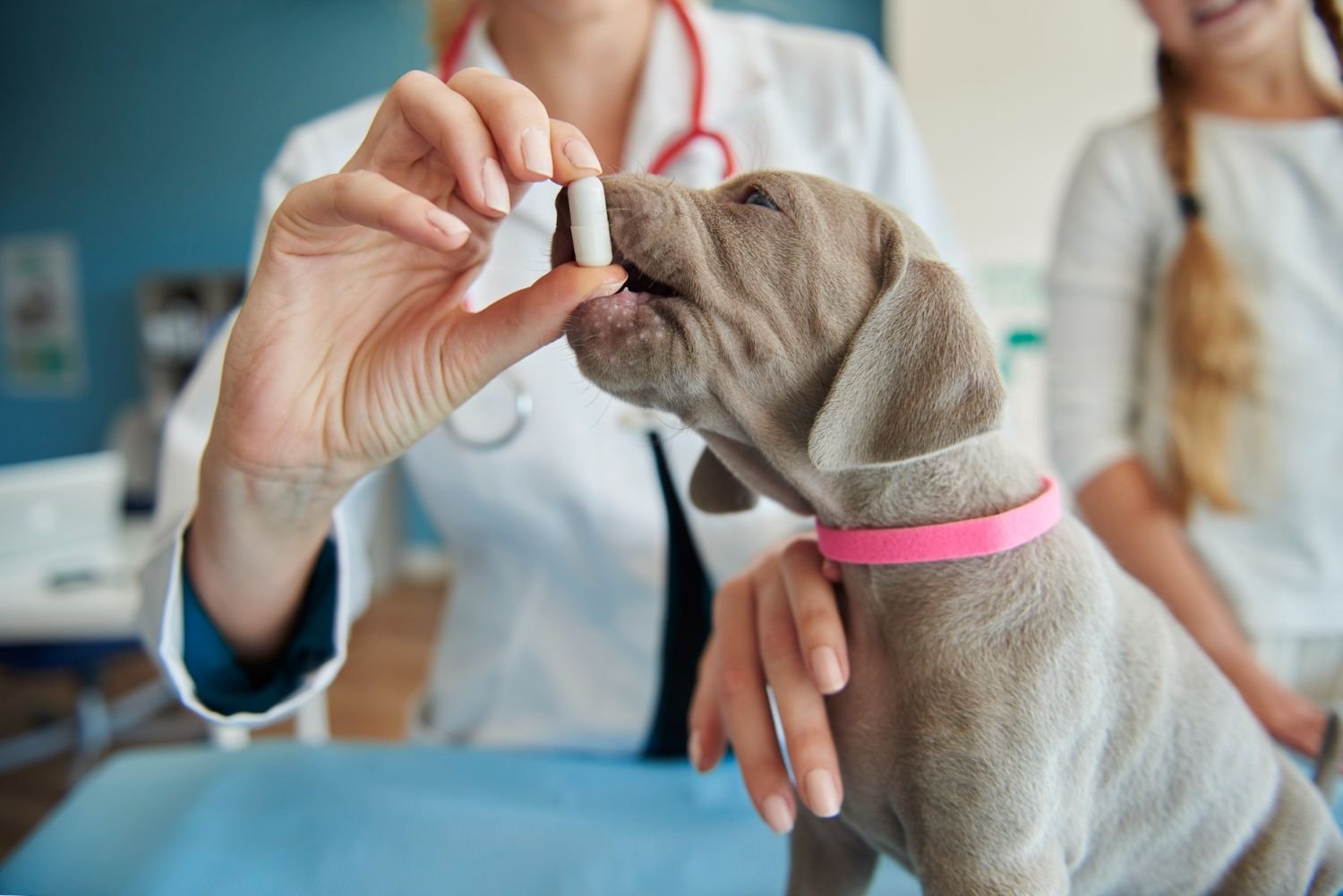
Even the best homemade recipes typically require supplementation. Your veterinary nutritionist will specify exactly which supplements to add and in what quantities. These often include:
- Calcium carbonate or bone meal
- A vitamin-mineral premix
- Fish oil or another essential fatty acid source
Commit to Regular Monitoring
Homemade diets require ongoing oversight. Regular checkups, blood work, and weight monitoring help ensure the diet continues to meet your dog’s needs as they age or as health conditions change.
Is Homemade Right for Your Dog?
This decision depends on several factors. Here’s how to think through it.
When Homemade Makes Sense
- Your dog has multiple food allergies that make commercial options limited or expensive
- Your dog refuses to eat commercial foods consistently
- You’re willing to work with a veterinary nutritionist and follow their guidance exactly
- You’re prepared for the time and cost commitment
When Homemade May Not Be the Best Choice
- You’re not willing or able to consult a veterinary nutritionist
- Your dog is a growing puppy (the margin for error is much smaller)
- Your dog has complex medical conditions that require precise nutritional management
- You’re expecting to save significant money (quality ingredients often cost more than quality kibble)
A Balanced Approach: The Middle Ground
If homemade feels overwhelming but you still want more control, there are middle options worth considering.
Add Fresh Toppers to Kibble
Adding small amounts of fresh, cooked meat or vegetables to a high-quality commercial diet gives you some of the benefits of fresh food without risking nutritional imbalance. As a general guideline, keep treats and non-complete-and-balanced additions to a small portion of your dog’s daily calories so they do not displace too much of the main diet. For an individual dog, follow your veterinarian’s advice.
Choose High-Quality Commercial Fresh Foods
Several companies now make commercially prepared, fresh dog food that’s delivered to your door. Some commercially prepared fresh diets are formulated to provide complete and balanced nutrition for specific life stages. Check the product’s nutritional adequacy statement and manufacturer information rather than assuming every fresh-food product meets the same standards. They can provide a convenient alternative to preparing a homemade diet, while their nutritional adequacy should be assessed from the product’s labeling and manufacturer information.
Pro Tip: Transition Slowly and Track Progress
If you start a homemade diet, transition gradually over 7-10 days to prevent digestive upset. Then, track your dog’s response:
- Changes in skin and coat condition over time
- Weight maintenance (weigh monthly)
- Energy levels and stool quality
- Any digestive changes or discomfort
Share these observations with your veterinarian at regular checkups.
Frequently Asked Questions
Is homemade dog food more nutritious than kibble?
It can be — but only if properly formulated. A properly formulated homemade diet can provide carefully selected ingredients and may be useful when a dog’s individual nutritional needs or feeding preferences require a customized approach. But a poorly balanced homemade diet may fail to provide essential nutrients in the amounts your dog needs.
Can I feed my dog raw meat in a homemade diet?
Raw feeding introduces additional concerns around bacterial contamination and nutritional balance. If you choose raw, work with a veterinary nutritionist and follow strict food safety protocols. Raw diets should be even more carefully planned than cooked ones.
How much does a homemade diet cost compared to kibble?
Quality homemade diets typically cost more than premium kibble. The ingredients, supplements, and preparation time can add up quickly. Factor in the time for preparation and the cost of supplements.
My vet recommended a commercial diet. Are they just biased?
Most veterinarians recommend diets backed by science and quality control. A veterinarian’s recommendation should be based on your dog’s individual nutritional needs, medical history, and the veterinarian’s assessment of suitable diet options. Their priority is your dog’s health — and commercial diets that are appropriately formulated and labeled as complete and balanced are designed to meet established nutritional requirements, while unformulated homemade recipes can have significant nutrient gaps.
Can puppies eat homemade diets?
Yes, but puppies have more specific nutritional requirements for growth, so improperly balanced homemade diets can pose greater nutritional risks. Significant nutritional imbalances during growth can contribute to bone and skeletal problems. If you feed a homemade diet to a puppy, working with a veterinary nutritionist is especially important.
Final Thoughts
Homemade dog diets aren’t inherently healthier or unhealthier. They’re simply a tool — one that can work extremely well in the right hands, or cause real harm when not properly planned.
A major difference comes down to how the diet is formulated, whether it meets the dog’s nutritional needs, and how consistently it is prepared and monitored. A diet crafted by a veterinary nutritionist, with careful attention to balance, supplementation, and monitoring, can provide excellent nutrition. A diet thrown together from internet recipes, even with the best intentions, often falls short.
If you’re drawn to homemade feeding, that impulse comes from a genuine desire to care for your dog well. Honor that impulse by doing it right. Consult a professional. Follow their guidance. And keep your veterinarian in the loop.
Your dog’s health is worth the extra effort.