Author: shumailansari490@gmail.com

Positive Behavioral Training

Force-Free Techniques to Stop Your Dog from Leash Pulling

There’s a particular kind of exhaustion that comes from walking a dog who treats the leash like a tug-of-war rope. Your shoulder aches, your dog’s coughing from the collar strain, and the walk that’s supposed to be relaxing ends up feeling like a workout you didn’t sign up for. The good news: learning how to stop your dog from leash pulling doesn’t require choke chains, prong collars, or anything that relies on discomfort to get results. Force-free methods work — they just ask for more patience and consistency than a quick fix would.


Read More »
Positive Behavioral Training

How to Cure Severe Separation Anxiety in Newly Adopted Puppies

If you’ve come home to a chewed-up doorframe, a neighbor’s note about nonstop barking, or a puppy who’s genuinely trembling the second you pick up your keys, you’re not dealing with a “bad dog.” You’re dealing with separation anxiety in newly adopted puppies, and it’s one of the most common — and most fixable — struggles new pet parents run into. The word “cure” gets thrown around a lot, but what actually works is steady, structured management that shrinks the anxiety down to something manageable, often disappearing almost entirely with consistency.

Read More »
Compassionate Pet Care & Welfare

Signs of Invisible Chronic Pain in Aging Cats and Senior Dogs

Here’s something most pet parents don’t realize until much later than they’d like: pets are remarkably good at hiding pain. It’s an old survival instinct — in the wild, showing weakness makes an animal a target — and it doesn’t disappear just because your cat sleeps on the couch instead of a savanna. Chronic pain in senior pets often goes unnoticed for months, sometimes longer, mistaken for “just getting older” instead of something that’s actually treatable.

Read More »
Compassionate Pet Care & Welfare

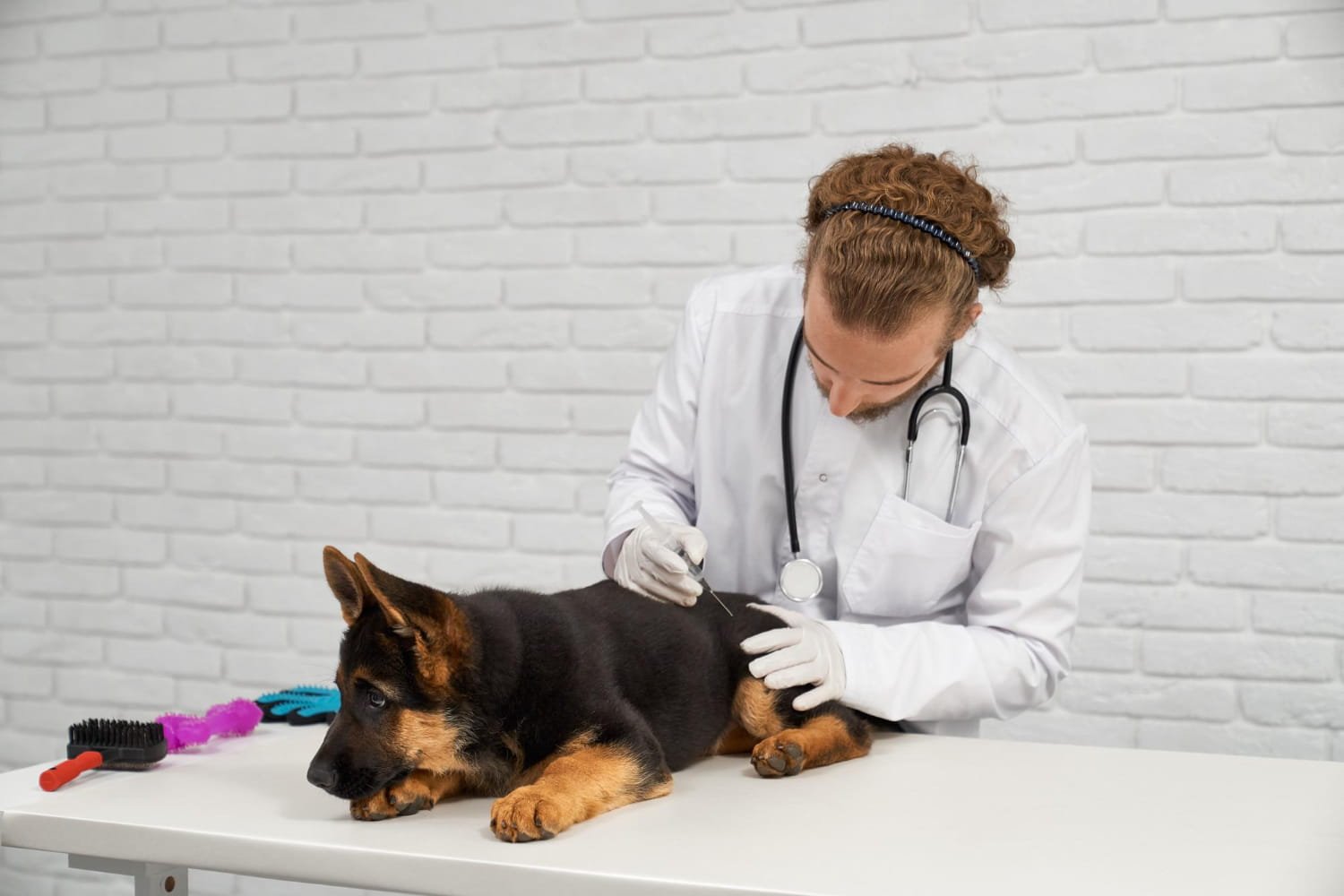
How to Safely Microchip and Register Your Companion Animal

Collars slip off. Tags fall off. ID engravings fade until they’re unreadable. A microchip doesn’t have any of those problems, which is exactly why vets and shelters recommend it as the one form of identification that sticks around no matter what happens to your pet’s collar. If you’ve been meaning to microchip your companion animal but weren’t sure how the process actually works, here’s everything you need to know, start to finish.

Read More »
Compassionate Pet Care & Welfare

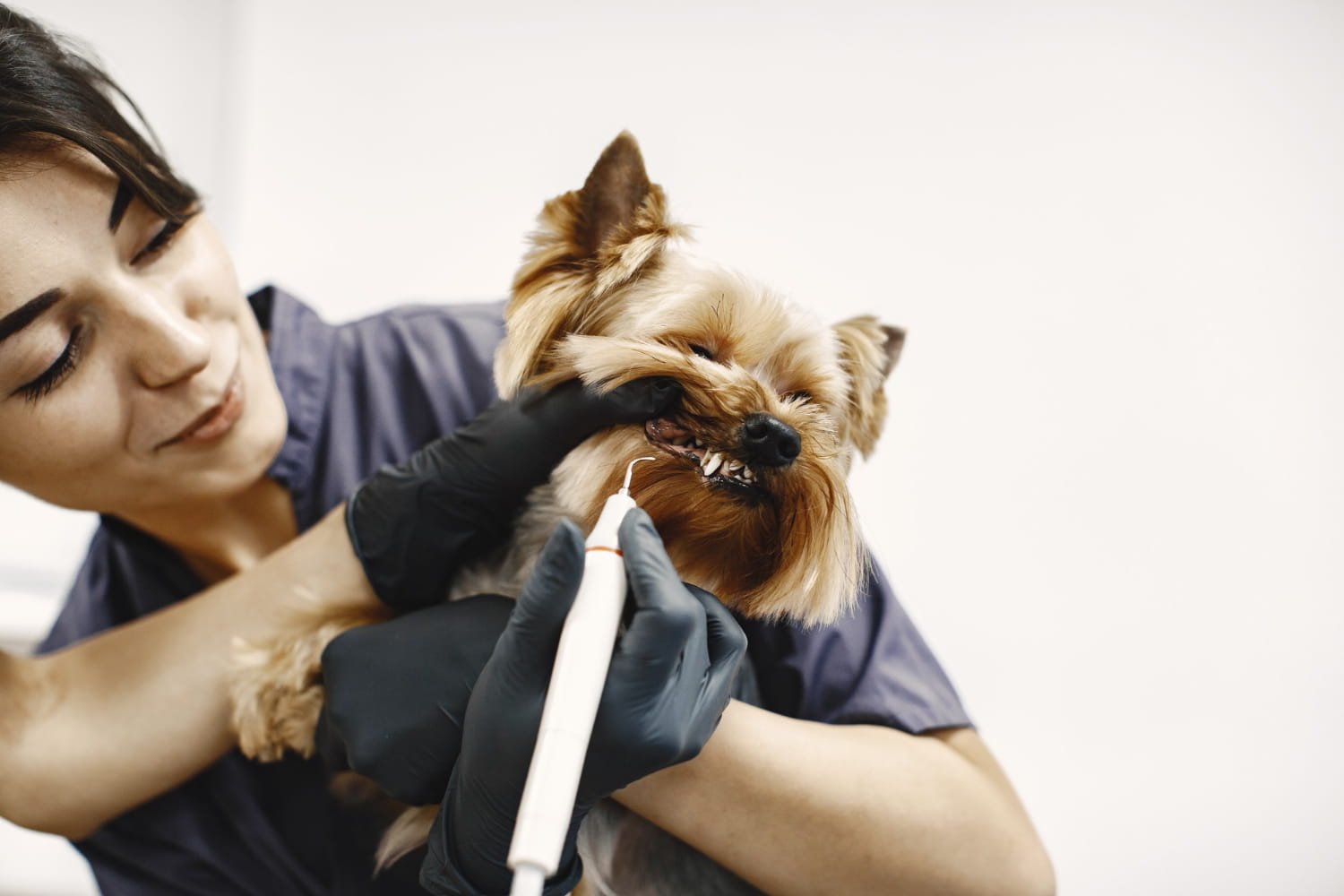
Essential Dental Hygiene Routine to Prevent Pet Periodontal Disease

Most pet parents notice the smell before anything else — that unmistakable “dog breath” or “cat breath” that seems to just come with the territory. Except it usually doesn’t. A consistent pet dental hygiene routine is one of the most overlooked parts of preventive care, and skipping it can lead to something far more serious than bad breath. Periodontal disease is one of the most common health problems vets see, and it’s almost entirely preventable with the right habits at home.

Read More »
Compassionate Pet Care & Welfare

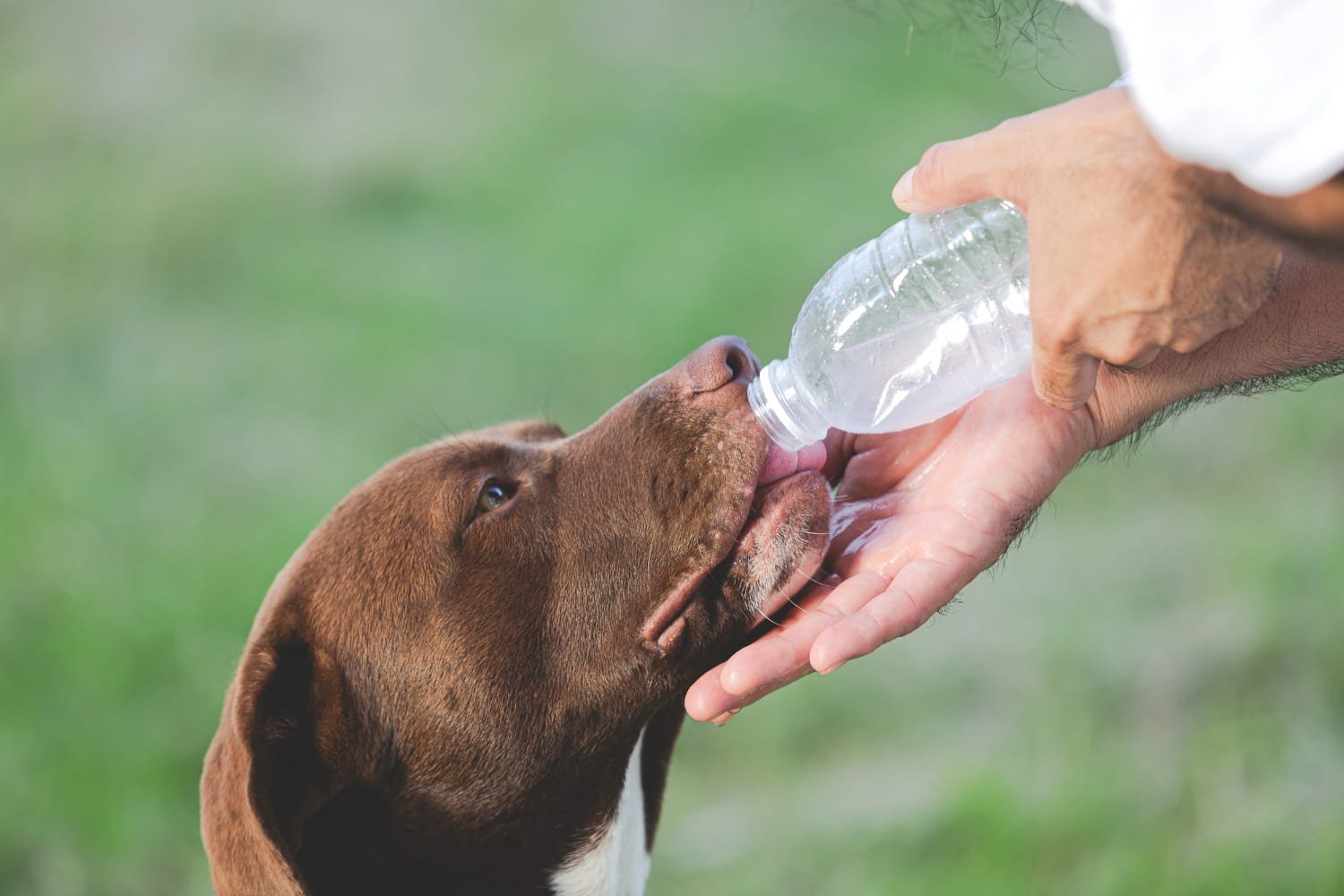
How to Protect Your Pets from Extreme Heatwaves and Dehydration

Summer heat sneaks up faster than most pet parents expect — one minute it’s a warm afternoon, the next it’s a genuine emergency. Unlike us, our pets can’t peel off a jacket or grab an iced coffee when things get uncomfortable. Learning how to protect your pets from heatwaves isn’t just a nice-to-know skill; it’s the difference between a happy, lazy summer and a trip to the emergency vet.

Read More »
Ethical Pet Adoption

Why Adopting an Older Senior Animal Might Be Your Best Decision

Walk into any shelter, and the puppies and kittens get scooped up first — it’s not exactly a mystery why. But wander past the young, chaotic energy of the front kennels, and you’ll usually find a quieter section: the grey muzzles, the slower tails, the animals who’ve been waiting the longest. Adopting a senior animal isn’t the consolation prize it’s sometimes made out to be. For a lot of people, it’s actually the better fit — and nobody tells them that until they’ve already brought one home.

Read More »
Ethical Pet Adoption

The Emotional Journey: What to Expect in the First 30 Days of Adoption

Adoption day feels like the finish line — but it’s actually the starting line. The first 30 days of adoption are where the real relationship gets built, and it rarely looks like the picture-perfect moment you imagined on the drive home. There will be good days and hard days, sometimes both before lunch. At Best Pet Mate, we want you to know that whatever you’re feeling right now — joy, anxiety, doubt, overwhelming love, or all four at once — it’s normal, and it’s temporary.

Read More »
Ethical Pet Adoption

How to Socialize a Rescued Adult Dog with Resident Household Pets

Bringing an adult rescue dog into a home that already has pets can feel like a bit of a gamble — especially when you don’t know their full history. Puppies come as a relatively blank slate; adult dogs come with established habits, sometimes real trauma, and a strong sense of territory already baked in. But with patience and a genuine plan, peaceful coexistence is absolutely achievable. Here’s how to socialize a rescued dog with the pets already living in your home, step by step.

Read More »
Ethical Pet Adoption

The Complete Pre-Adoption Checklist for First-Time Pet Parents

Adopting a pet for the first time is one of those decisions that feels simple right up until it isn’t. You picture the good parts — the cuddles, the walks, the companionship — and it’s easy to skip past the planning that actually makes those good parts possible. A solid pre-adoption checklist isn’t about slowing you down. It’s about making sure the animal you bring home actually fits the life you’re living, not just the life you’re imagining.

Read More »